REVIEW · JAIPUR
From Jaipur: Ranthambore Tour with Cab
Book on GetYourGuide →Operated by Jaipur Pinkcity Tours · Bookable on GetYourGuide
A 4-hour safari can change your whole day. From Jaipur, you get a private air-conditioned vehicle plus a guided safari in Ranthambore National Park, a former royal hunting ground turned tiger sanctuary. The big thing to keep in mind: tiger sightings aren’t guaranteed, and your results depend on timing and what the animals decide to do.
I especially like the way this trip is built for comfort and focus. You leave Jaipur with pickup included, then spend your main time where it counts—out on open safari vehicles with an on-the-ground naturalist guide and a target list of big cats and other wildlife. One possible drawback: the day can feel long, and service quality may vary (for example, English support and waiting comfort at the pickup point).
In This Review
- Key Things That Make This Day Trip Worth Your Time
- Jaipur to Ranthambore: The Comfort Part You’ll Appreciate
- The Afternoon Safari Rhythm: Why the Timing Matters
- Ranthambore National Park: What You’re Really Hunting For
- Jeep vs Canter: Which Feels Better?
- The Naturalist Guide: How You Get More Than Just a Drive
- Ranthambore’s Royal Fort and Temples: The Setting Beyond the Safari
- What’s Included (and What You’ll Need to Cover)
- Price and Value: Is $127 a Smart Spend?
- Small Details That Can Make or Break Your Day
- Who This Trip Is For (and Who Should Think Twice)
- Should You Book This Ranthambore Day Trip?
- FAQ
- FAQ
- How long is the Jaipur to Ranthambore day trip?
- What’s included in the price?
- Are meals included?
- What wildlife might I see in Ranthambore?
- Do I need a passport or ID?
- What type of safari vehicle will I ride in?
- Is English covered during the tour?
Key Things That Make This Day Trip Worth Your Time
- A private AC car from Jaipur so you’re not scrambling for shared transport on a long day.
- An afternoon start around 2 PM, when wildlife activity often picks up.
- Government-assigned naturalist guidance during the safari for better animal-spotting.
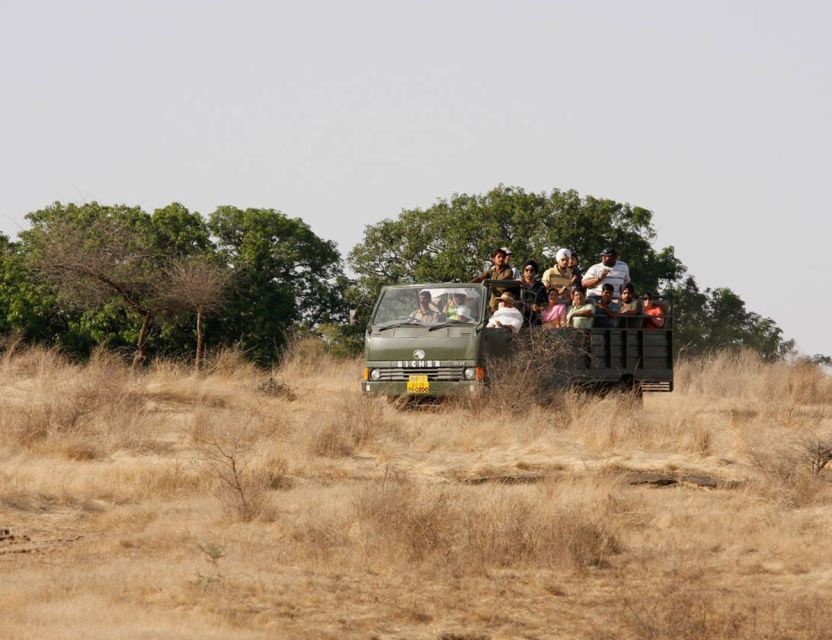
- Open 6-seater jeep or canter options, giving you a real shot at seeing tigers and other species at close range.
- Bottled water + entrance fee + safari vehicle costs included, so the day is simpler than many DIY plans.
Jaipur to Ranthambore: The Comfort Part You’ll Appreciate
This is the kind of trip where the drive matters. Ranthambore sits in Rajasthan’s tiger country near Sawai Madhopur, and you’re looking at roughly a 3 to 4 hour scenic drive each way. Having hotel or airport pickup plus a private air-conditioned vehicle is a real advantage if you’ve already been in the car a lot or you want to keep the day smooth.
Also, you’re not just dropped off and forgotten. A guide accompanies you during the day, and at least some drivers in this operation are solid—one passenger specifically praised driver Maliq as professional and helpful. That’s not a small detail. On a wildlife day, you want “go-time” to feel organized, not stressful.
A practical note: because this is a long day (marked as 14 hours total), your comfort in the car will set your mood for the safari. If you’re heat-sensitive, this is the trip style that helps.
You can also read our reviews of more tours and experiences in Jaipur.


The Afternoon Safari Rhythm: Why the Timing Matters
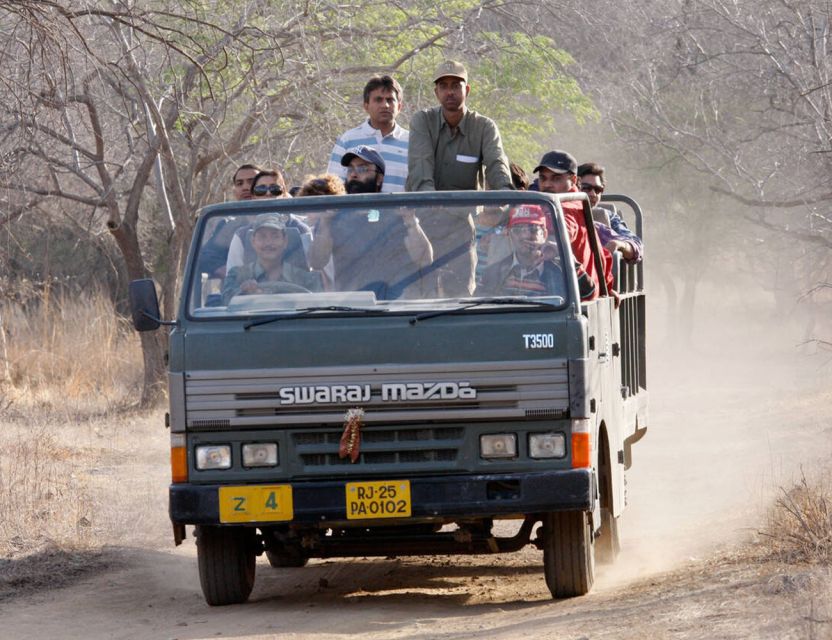
Your main wildlife experience is built around an afternoon safari, starting around 2 PM. That timing matters for two reasons.
First, wildlife activity can shift as the day warms up and then moves into late afternoon. Second, you’re avoiding the worst mid-day heat for a lot of people, especially when you’re seated on an open safari vehicle.
You’ll also get a small break around Sawai Madhopur (about 30 minutes) for coffee/tea. It’s not a full meal stop, but it helps you reset before the safari vehicle doors open and you’re scanning for movement in the scrub and undergrowth.
If your mindset is set to one safari session only, you’ll be happier. This isn’t the “multiple drives all day” style. It’s a focused hit: go, search, see what shows up, and come back.
Ranthambore National Park: What You’re Really Hunting For
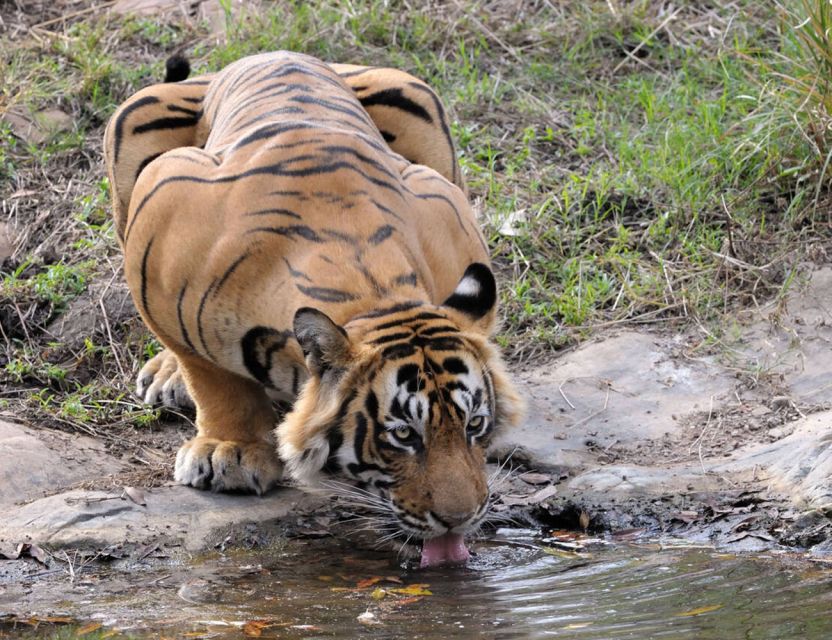
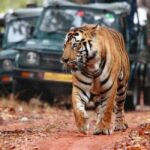
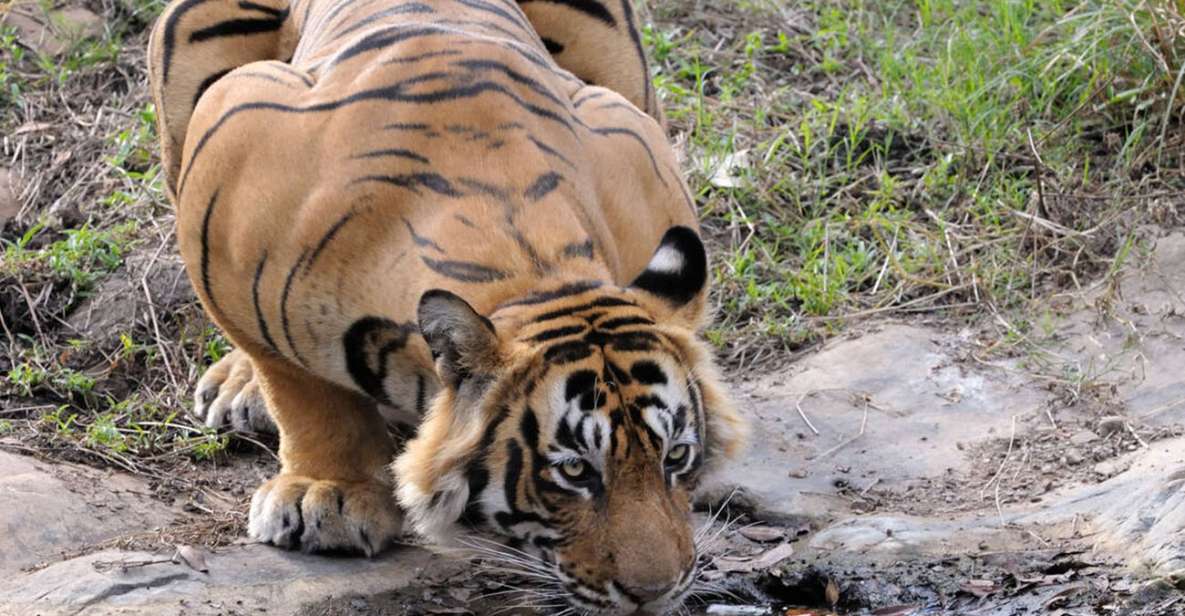
Ranthambore isn’t just about tigers, but the tiger is the headline for a reason. The park is known for Bengal tigers living in a mix of forest cover, open patches, and water areas—prime conditions for sightings.
During your safari you’re likely to see a range of species, including:
- Bengal tigers (with that same reminder: not guaranteed)
- Mugger crocodiles around water
- Indian leopards
- Sloth bears
- Lots of birds (useful if big cats are quiet)
One passenger described a strong win: they saw Queen Sultana with her three cubs for over 30 minutes. That’s the kind of sighting that makes the whole day feel worth it, even when you only get one safari slot.
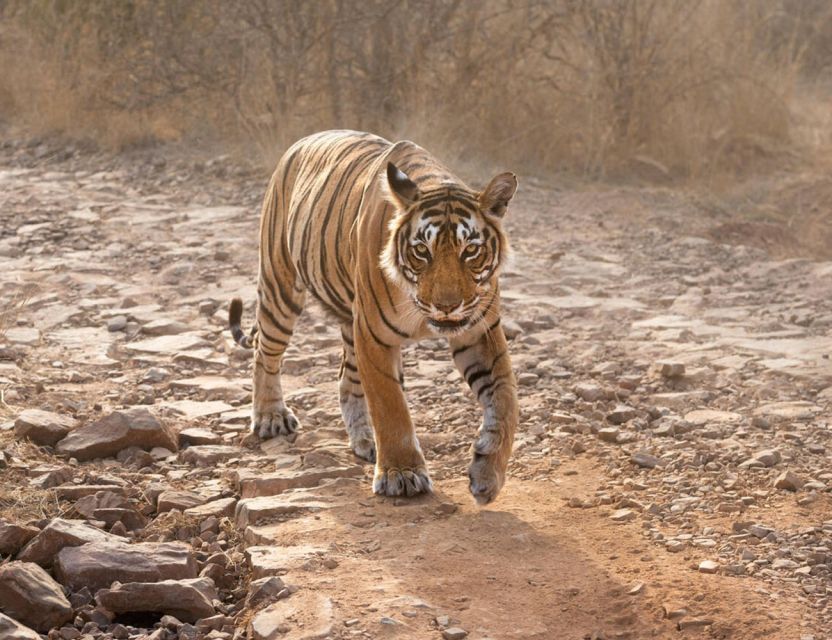
On the other end, another passenger reported seeing only one tiger and that the guide tried to find more. That’s the reality you should plan for. The best outcome is a repeat of animal signals—movement near the water, calls, fresh tracks—so the guide and driver keep positioning you. But you can’t force animals to cooperate.
Jeep vs Canter: Which Feels Better?
You’ll have a choice between an open 6-seater jeep or a more capacious canter. In general:
- A jeep can feel more personal and easier to scan.
- A canter can reduce some of the crowd pressure, but it may mean slightly less intimacy depending on how the vehicle is configured.
Either way, expect open-air viewing. One passenger joked about needing to buy a cheap scarf because they hadn’t brought sun protection—so take that seriously.
The Naturalist Guide: How You Get More Than Just a Drive
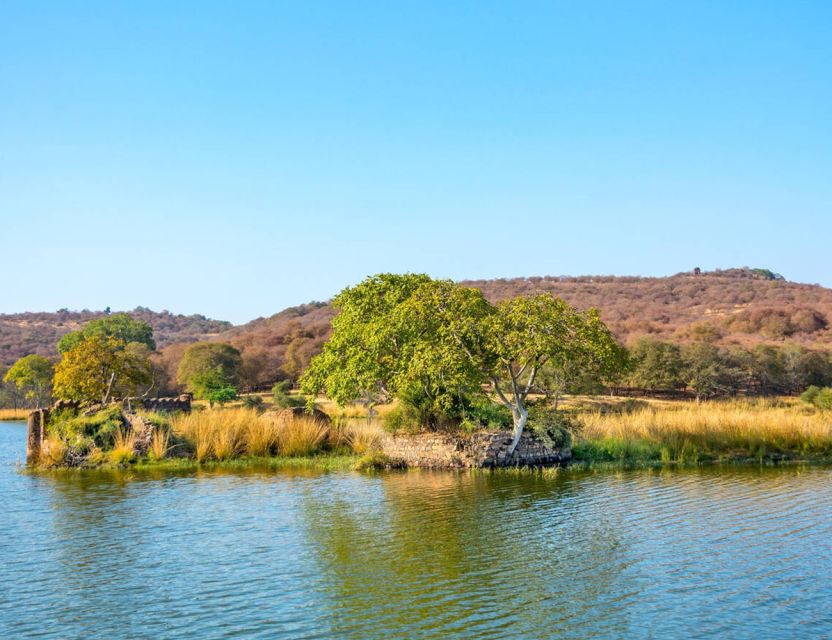
The safari experience is guided by a seasoned government-approved naturalist guide. This is important because Ranthambore is complex, and wildlife spotting is partly about knowing what you’re looking for.
Even though the animals drive the day, a good naturalist helps you interpret signs you might miss:
- where animals tend to move
- how to read behavior (resting, feeding, calling)
- how animals use terrain and shade
Language can be a factor. One person said the guide had little English, which limited how much they could learn during the safari. Another passenger felt the government and assigned guides were doing a good job. So if you care a lot about commentary, it’s worth knowing that English support is listed as available, but real-world quality can vary by day.
If you’re comfortable with a bit of wildlife “self-spotting,” you’ll still enjoy it. A tiger isn’t a lecture. You’ll see it best when you’re ready to watch and not just wait to be told.






Ranthambore’s Royal Fort and Temples: The Setting Beyond the Safari
There’s more to the park than animals. Ranthambore is tied to its past as a royal hunting ground, and the park includes the Royal Fort area and ancient temples set within rugged terrain.
Your day isn’t described as a full temple tour with a long stop, but the point is that you’re not just in an industrial-looking wildlife park. The scenery has “old Rajasthan” weight—stone, hills, and forest edges that make the sightings feel grounded in a real place, not a generic zoo-like setting.
That matters for your photos too. You’ll likely see animals against a backdrop that feels historic, not staged.
What’s Included (and What You’ll Need to Cover)
This trip is surprisingly clear about what you’re paying for once you’re booked. Included items are:
- Hotel pickup and drop-off
- Private AC vehicle
- National park entrance fee
- Jeep/canter safari costs
- Naturalist guide
- Fuel, road tolls, and taxes
- Bottled water
Not included:
- Meals and drinks
- Personal expenses
So plan around food on your own. You’ll have that short break near Sawai Madhopur, but don’t count on it becoming a full meal stop.
Also bring the basics. You need a passport or ID card for entry ticketing. The information you provide after booking is used to get your park entry tickets prepared, so don’t treat ID details as optional.
Price and Value: Is $127 a Smart Spend?
At $127 per person, this isn’t a bargain price, but it can be good value if you weigh what’s included.
You’re paying for:
- round-trip transport (private, air-conditioned)
- the park entrance fee
- a safari vehicle (jeep/canter)
- the naturalist guide’s role during the safari
- fuel/tolls/taxes
- bottled water
If you tried to do this yourself, you’d likely spend a lot of time coordinating timing, getting the safari vehicle, and handling entry arrangements—especially on a tight schedule from Jaipur.
That said, value hinges on one thing: wildlife outcome. One passenger saw a tiger (and wanted more), while another had a long, special tiger-family sighting. That’s the hard truth with tiger safaris in general. You’re buying access and a guided chance, not a guaranteed tiger photo.
So I think the price makes sense for people who want comfort and minimal hassle. If you’re already comfortable organizing transport and safari access on your own, you might compare against local options. But if you want a single coordinated day with less friction, this fits.
Small Details That Can Make or Break Your Day
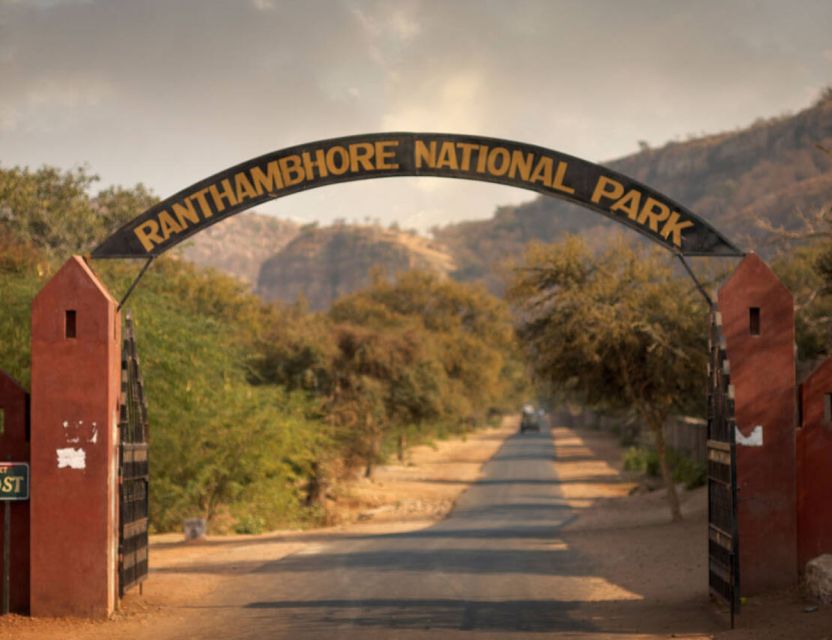
A few operational points show up in real-world feedback, and they’re worth planning around:
- Bring sun protection. Open vehicles mean sun and dust. One person ended up buying a scarf on the spot.
- Carry something for waiting. One passenger described a long wait in a room without heat. This isn’t guaranteed, but it’s a reminder to bring a layer.
- Expect variability in English. Some days may offer smoother English explanations; others may be thinner, even if a guide is present.
- Go with flexible expectations about tiger sightings. Even strong guides can only do so much when animals aren’t moving.
On the flip side, many people seemed happy with the transport quality and the fact that the safari is guided by assigned staff inside the park. That’s the backbone of the experience.
Who This Trip Is For (and Who Should Think Twice)
This Ranthambore day trip from Jaipur is a great match if:
- you have limited time in Jaipur but want a tiger safari
- you prefer a private AC ride over shared transport stress
- you like wildlife viewing with a naturalist onboard
- you want a focused single safari window rather than a multi-day commitment
It may be less ideal if:
- you need lots of English storytelling during the safari (service quality can vary)
- you’re expecting a guarantee of multiple big-cat sightings
- you get impatient with a long day that starts with a long drive
Should You Book This Ranthambore Day Trip?
I’d say book it if you want the simplest path from Jaipur to Ranthambore, and you’re okay with the tiger part being a real wildlife gamble. The combo of private AC transport, park entrance + safari included, and a naturalist-guided safari makes it a practical value play for a one-day tiger attempt.
But if tiger sightings are the only metric that matters, temper your expectations. This is a chance to see wildlife in a protected area, not a vending machine for tiger sightings.
FAQ
FAQ
How long is the Jaipur to Ranthambore day trip?
The total duration is listed as 14 hours. The safari portion is about 3 to 4 hours, with the safari starting around 2 PM.
What’s included in the price?
Hotel pickup and drop-off, a private AC vehicle, national park entrance fee, jeep/canter safari costs, naturalist guide, fuel/road tolls/taxes, and bottled water are included.
Are meals included?
No. Meals and drinks are not included, so plan to buy food during the day or use the short break for snacks.
What wildlife might I see in Ranthambore?
The tour info highlights Bengal tigers, mugger crocodiles, Indian leopards, sloth bears, and many bird species.
Do I need a passport or ID?
Yes. You need to bring a passport or ID card. You’ll also be asked to provide your passport after booking so entry tickets can be booked.
What type of safari vehicle will I ride in?
You’ll use an open safari vehicle, either a 6-seater jeep or a more capacious canter, depending on your comfort and preferences.
Is English covered during the tour?
The tour includes an English live guide, and the safari uses government-assigned naturalist guidance. In practice, English support can vary by day and situation.