REVIEW · JAIPUR
Safari In Jhalana Leopard Conservation Reserve, Jaipur
Book on Viator →Operated by BanBanjara · Bookable on Viator
A city safari that feels like proper wilderness? This one runs in Jhalana Leopard Conservation Reserve, right in Jaipur, and it’s built around serious wildlife viewing for a small time window. I love that you’re with a forest expert guide who can help you spot and interpret animals and birds, and I love that the trip is structured around two short slots (morning or afternoon). One thing to consider: start times can shift in real life, especially if a jeep is waiting on others, and the reserve permits can be capped by government control.
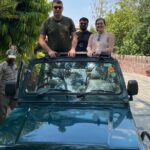
You’ll cruise the reserve in an open-air jeep/gypsy for about 2 hours 45 minutes, with bottled water and soft drinks included. The big idea is simple: you get a dense chunk of northern Rajasthan wildlife and birds in a single sitting, without the hassle of building your own plan.
In This Review
- Key things I’d keep on your radar
- Jhalana in Jaipur: what makes this reserve worth your time
- How the 2.5-hour jeep safari really works (morning vs late afternoon)
- The forest expert guide: where the experience can exceed the drive
- Wildlife targets: leopards first, but plan for the surprises
- Comfort and included extras that make the 2.5 hours easier
- Price and value: is $48 a good deal for Jhalana?
- Permits, weather, and the Amagarh fallback plan
- Reliability in the real world: what the reviews suggest to watch for
- Who this safari fits best
- Should you book Safari in Jhalana Leopard Conservation Reserve?
- FAQ
- How long is the Safari in Jhalana Leopard Conservation Reserve?
- What safari times are available?
- Is this safari private?
- What’s included in the price?
- What animals and birds can I expect to see?
- What happens if permits aren’t available for Jhalana?
Key things I’d keep on your radar
- City-near wildlife: Jhalana is inside Jaipur’s orbit, so you’re not doing a long transfer before you even get to spot wildlife.
- Guide-led spotting: A forest expert guide focuses on animal and bird observation, not just driving around.
- Two prime timing windows: Morning and late-afternoon slots are planned for best viewing behavior.
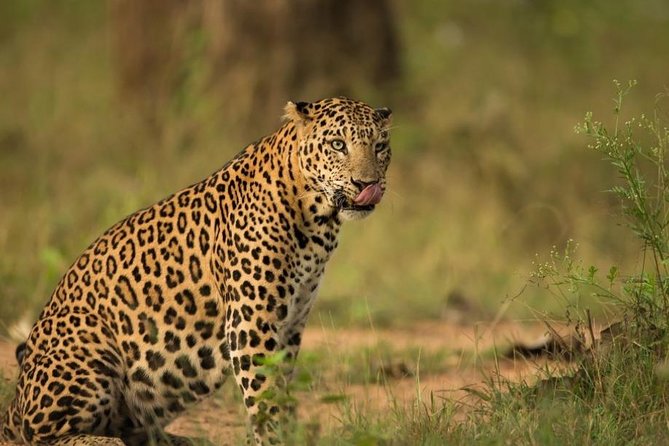
- Big leopard odds, plus a whole supporting cast: Leopards and cubs are the headline, but you can also see hyenas, foxes, jackals, civets, and more.
- Permits can affect the plan: If Jhalana permits are short, you’re routed to a similar option at Amagarh (with no refunds if the swap happens).
Jhalana in Jaipur: what makes this reserve worth your time
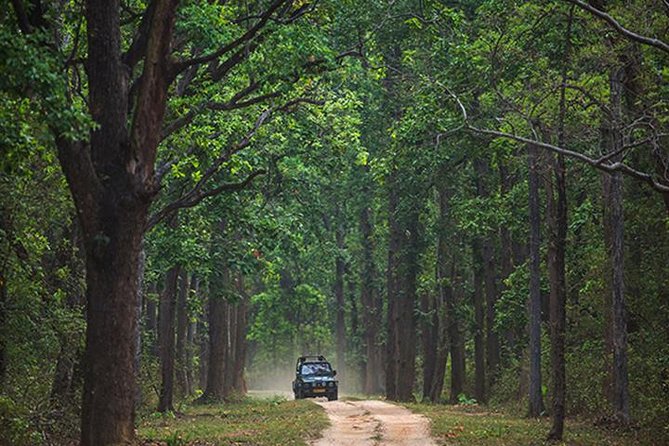
Jhalana Leopard Conservation Reserve is one of those rare places where “safari” doesn’t mean a half-day drive and a blind hope. The reserve covers about 20 square kilometers and sits in the middle of Jaipur’s reach, which matters because it keeps your day flexible. You’re not spending your energy on getting there—you’re spending it on seeing what’s there.
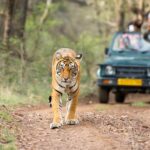
The viewing premise is also specific. The reserve currently has more than 30 leopards and 5 cubs, which is what turns this from a generic animal outing into a real wildlife target. And it’s not only leopards: the reserve is described as home to species indigenous to Rajasthan such as striped hyenas, desert foxes, golden jackals, blue bulls, chital, rhesus macaques, Bengal monitors, porcupines, and even Indian palm civets. For bird lovers, it’s also a serious bird-watching session, with examples like Indian Pitta, Dusky Eagle, Owl, and Spotted Owlet.
The biggest value, in my view, is that this is a tight, guided viewing slot in a reserve that actually holds the animals you came for. If you like wildlife because you want to learn as you look, this is the kind of setting where a guide can make a difference fast.
You can also read our reviews of more tours and experiences in Jaipur
How the 2.5-hour jeep safari really works (morning vs late afternoon)
Your safari runs for about 2 hours 45 minutes, and you choose between two windows: 6:45 AM to 9:30 AM or 3:30 PM to 6:15 PM. Those times aren’t random. They line up with when many animals are more likely to move and when visibility is better for scanning.
In practical terms, your “itinerary” is essentially one main loop: you go out in a jeep/gypsy and spend the bulk of the session on observation with your guide. That’s why timing is so important. If you pick the morning slot, you’re starting early enough to enjoy fresh light and often calmer conditions. If you pick the late-afternoon slot, you’re choosing a time that can feel calmer and may fit better if you’re doing sightseeing elsewhere in Jaipur during the day.
There’s also an optional upgrade described as a sunrise or sunset add-on from a special animal-viewing platform. That’s the one way this experience shifts from a pure safari drive into a slightly more scenic, viewing-focused plan—especially if you’re the type who enjoys waiting quietly for animal behavior rather than rushing from spot to spot.
One more real-world detail: the reserve experience is time-managed, but it’s still a group activity in a controlled environment. In one case, a safari was delayed because the jeep waited for a family to arrive, and the start eventually began after that wait stretched. So you’ll want to build in a little patience—even when you’re booked for a clear start time.
The forest expert guide: where the experience can exceed the drive
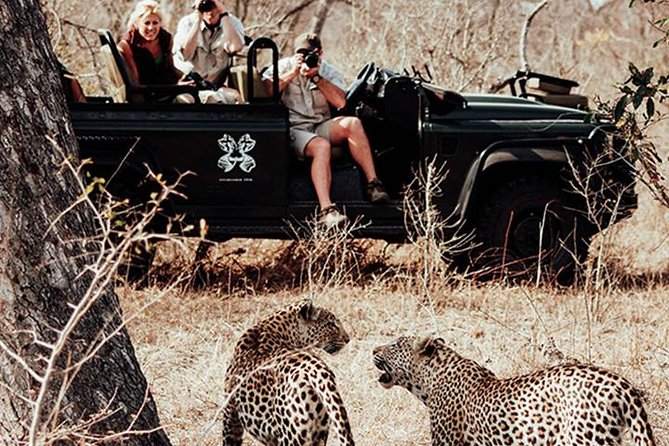
The difference between seeing wildlife and understanding wildlife often comes down to guidance. This safari includes a guide plus a forest expert. That matters in a reserve like Jhalana because animals aren’t presented on a schedule. You’ll spend a lot of time scanning, and a good guide helps you scan smarter.
A standout theme from strong feedback is bird-focused guidance. One review called out the guide’s excellent bird knowledge, and the result was a longer personal bird list. That’s a big clue about what you’re buying here: not only transport and a jeep ride, but a higher chance of meaningful sightings because someone is actively helping you identify what you’re seeing.
What to expect from that kind of guiding is usually a mix of:
- where to look (based on animal behavior and terrain)
- how to read movement and stillness
- which birds are likely in that moment, based on the setting
Even if you’re not a dedicated birder, the same scanning skills help with mammals. A leopard sighting often depends on noticing something small first, like a shift in movement or a change in where attention is concentrated.
Wildlife targets: leopards first, but plan for the surprises
Let’s be honest: you’re probably booking this for leopards. The reserve’s current population—described as over 30 leopards and their cubs—is the main hook. And you do have a real chance to spot not just leopards but also their cubs during the safari window.
But I’d also plan your mindset for the “support cast.” This safari is designed to show you a mix of desert-state animals, including:
- Monkeys
- Hyenas
- Porcupines
- Other creatures native to the region
And beyond mammals, it’s explicitly a bird-watching experience too. The reserve is described as having a large population of various bird species such as Indian Pitta, Dusky Eagle, Owl, and Spotted Owlet.
Why does that matter? Because wildlife viewing isn’t only about whether the big animal shows up. It’s also about whether the drive turns into constant learning and scanning. When you’re in a reserve that can deliver both mammals and birds, you get more chances to feel like the time was worth it—even if one specific target stays out of view.
Also, because this is an open-air jeep/gypsy experience, you’re actively part of the viewing process. You’re not sitting safely behind a viewing wall. You’re on the move, looking around, and relying on your guide to help you interpret what you’re seeing.
Comfort and included extras that make the 2.5 hours easier
This is a short safari, but it can still feel long if you’re thirsty or distracted. The good news: bottled water and soft drinks are included. You also get a soda/pop juice pack. It’s a simple inclusion, but it matters for comfort—especially when you’re spending a large chunk of the session watching quietly.
Transport is handled by the experience itself: jeep transportation in the Jhalana forest is included, along with the guide/forest expert and all necessary permits, fees, and taxes. That’s the package you’re paying for. There’s no mention of extra on-the-spot payments just to enter the reserve.
One practical note from the experience setup: pickup isn’t included unless you arrive at the stated meeting point. The activity starts and ends back at the same meeting location.
So if your hotel is far, you’ll want to plan your own arrival to the Jhalana Leopard Safari Park meeting point (VR4M+28P, Calgiri Marg, Malviya Nagar Industrial Area, Malviya Nagar, Jaipur).




Price and value: is $48 a good deal for Jhalana?
At about $48 for roughly 2 hours 45 minutes, this safari sits in the “value enough to try, but check the fine print” category.
Here’s why it can be a good deal:
- You get a private experience where only your group participates.
- Permits and fees are included.
- You get guided viewing plus bottled water and soft drinks.
- You’re targeting a reserve with a described high leopard presence, plus a strong bird component.
Where value can feel weaker:
- The experience depends on permits being available and on good viewing weather. If conditions don’t cooperate, the plans may be adjusted.
- If your jeep’s start time slips due to waiting, your usable viewing time can shrink in practice. That kind of friction doesn’t always ruin the safari, but it can feel annoying when you booked a fixed slot.
In other words, I’d treat this as a smart buy if you value guided spotting and want a short, high-focus wildlife block in Jaipur. If you hate uncertainty, you might prefer a more flexible wildlife day—though that usually costs more or takes longer.
Permits, weather, and the Amagarh fallback plan
Two variables run the show here: permits and weather.
Permits are under government control and can occasionally be in short supply. The good part is that the experience says you won’t get stuck. If Jhalana permits aren’t available, you’re offered an alternative Amagarh safari in Jaipur with a similar experience. The downside is blunt: refunds aren’t issued if permits can’t be provided. You can reschedule or switch to the Amagarh route instead.
Weather is the other lever. This safari requires good weather. If the activity is canceled due to poor weather, the experience will offer you a different date or a full refund.
So how do you use this information to decide? If your travel schedule has tight deadlines, pick a time slot where you have a little buffer for rescheduling. If you’re in Jaipur for multiple days, you’ve got more room to adapt if permits or conditions change.
Reliability in the real world: what the reviews suggest to watch for
The overall rating is 3.3 across 21 reviews, which is not a deal-breaker, but it is a sign that execution can vary.
The most positive feedback points to real skill, especially with bird identification. That matches the idea that the guide isn’t just driving—you’re getting help spotting and naming what you see.
The negative feedback has two clear patterns:
- Operator cancellation and refund trouble: one review describes an operator canceling and the customer having difficulty getting their money back through phone calls. In that case, support through the booking channel helped resolve it.
- Timing/logistics friction: another review describes being told to wait for a family, then starting later than the booked time, and with a sense that the delay was due to other arrivals rather than weather or reserve closure.
I can’t predict how your day will go. But you can reduce risk. I’d:
- arrive early to the meeting point so you’re not part of any delay chain
- keep your day flexible around the safari window
- book with the assumption that a schedule can slip even when the plan looks clean on paper
Also, confirmation is expected at booking time unless you book within 4 hours of travel, in which case confirmation arrives as soon as possible based on availability. If you’re traveling at the last minute, that’s worth remembering.
Who this safari fits best
This is a great fit if you:
- want a short, guided wildlife block in Jaipur
- care about birds as much as mammals
- like the idea of scanning with a forest expert rather than just searching alone
- are traveling with a group you can book as a private activity
It’s also a decent choice if you’re traveling in a couple of days and can handle rescheduling if permits or weather cause changes.
If you’re the type who gets stressed by timing shifts and has zero flexibility, you should plan extra buffer time or consider a different wildlife plan that’s less dependent on the specific jeep load and reserve permit flow.
Should you book Safari in Jhalana Leopard Conservation Reserve?
I’d book this if your goal is guided wildlife viewing in a tight window, with leopard odds as the headline and birds as a real second act. The included basics—jeep transport, forest expert guide, permits, and refreshments—make it feel like a straightforward outing rather than a pay-more later situation.
I’d think twice before booking only if:
- you have rigid timing with no buffer
- you hate any uncertainty around permits, because if Jhalana permits run short, refunds are not part of the deal
- you’re booking extremely last-minute, where confirmation depends on availability
For most visitors, this is one of the more efficient ways to spend a morning or late afternoon in Jaipur. You get a focused safari experience, and if the guide’s bird skills are anything like what strong feedback describes, you’ll leave with more than just photos—you’ll leave with names, patterns, and a better eye for what you’re actually looking at.
FAQ
How long is the Safari in Jhalana Leopard Conservation Reserve?
It’s approximately 2 hours 45 minutes.
What safari times are available?
You can choose either 6:45 AM to 9:30 AM or 3:30 PM to 6:15 PM.
Is this safari private?
Yes. It’s a private tour/activity, so only your group participates.
What’s included in the price?
Jeep transportation in the Jhalana forest, a guide and forest expert, all necessary permits, all fees and taxes, bottled water, and a soda/pop juice pack are included.
What animals and birds can I expect to see?
The experience highlights leopards and their cubs, and you may also see monkeys, hyenas, porcupines, and other creatures. It also focuses on bird watching with species such as Indian Pitta, Dusky Eagle, Owl, and Spotted Owlet.
What happens if permits aren’t available for Jhalana?
If Jhalana permits are unavailable, you’ll be offered an alternative: an Amagarh safari with a similar experience in Jaipur. Refunds aren’t issued, but you can reschedule or opt for the Amagarh route.