REVIEW · JAIPUR
Private day tour of Jaipur with Driver and Guide
Book on Viator →Operated by Royal Majestic Tour · Bookable on Viator
Jaipur can feel like sensory overload. This private, air-conditioned day tour helps you see the key sights with less hassle, plus a guide who keeps the stories straight. I especially like the hotel pickup/drop-off convenience and the private guide who explains what you’re looking at. The main thing to plan for is that monument entry fees are not included, so your final cost will be higher than the base price.
You also get a smart rhythm: quick orientation stops, then longer time where details matter most. And since it’s private, you’re not trapped at the pace of a larger group.
If you hate walking at all, keep expectations realistic. The day includes a moderate amount of walking, and some locations are best enjoyed on foot even with a car ride between them.
In This Review
- Key highlights to look for
- Private pickup and AC transport: the real value in a day
- Price and what $60 really buys you
- Hawa Mahal: the fast, eye-catching start
- Amber Fort (Amer Palace): where your 2 hours should go
- Panna Meena ka Kund: the stepwell that changes your perspective
- Jal Mahal: short stop, calm water-pastel payoff
- City Palace: palace life without the guesswork
- Jantar Mantar: the science stop that isn’t just stones
- Comfort, clothing, and the walking reality
- Guides and flexibility: what you gain from being private
- Who should book this Jaipur private day tour
- Should you book this private Jaipur day tour?
- FAQ
- What’s included in the tour price?
- What is not included?
- How long is the tour?
- Where does the tour start and end?
- Which major sites are visited?
- Are admission tickets included?
- What should I wear?
- Is the tour private?
Key highlights to look for
- AC transport + hotel pickup saves time and heat stress
- Amber Fort with UNESCO context gives meaning, not just photos
- Jantar Mantar at the right time helps you understand the science behind the stones
- A stepwell stop (Panna Meena ka Kund) adds a surprising, quieter side of Jaipur
- Flexible guiding lets you adjust how long you linger at each place
Private pickup and AC transport: the real value in a day
The best part of this tour isn’t any single monument. It’s the way the day is handled. You start with pickup from your Jaipur hotel and you return to the same spot at the end. That sounds simple, but in Jaipur it means less time bargaining, re-navigating, and trying to match your own timing to traffic.
You’ll ride in an air-conditioned mid-size sedan/SUV with fuel, parking, and tolls covered. Bottled water is included too, which is the kind of practical detail that keeps the whole day smoother. In an 8-hour window, that “support staff” feel matters.
One more underrated benefit: you can keep your energy for the places that really require your attention—like the fort complex, the palace courtyards, and the astronomy site—rather than burning time just getting around.
You can also read our reviews of more guided tours in Jaipur


Price and what $60 really buys you
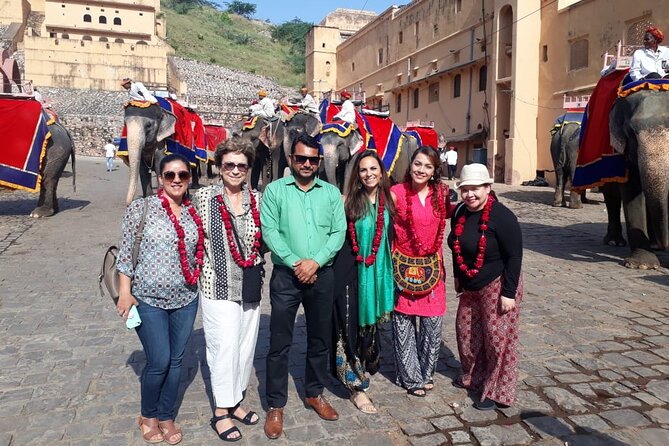
At $60 per person, this is a straightforward, budget-friendly way to see Jaipur’s biggest hits in one day. You’re paying mainly for the private guide + private transport. That’s why it tends to feel like better value than piecing together multiple taxis and independent entrance tickets.
Here’s the part to plan carefully: monument entrance fees (and camera fees) are not included. Also, meal expenses and driver tips are not included. So think of the $60 as the “service” cost—then add the entries for the sites where you’ll want to go inside.
If you’re the type who wants the experience to run on rails—pickup, route, guidance, and time management—this price makes sense. If you’re extremely price-sensitive and already comfortable arranging your own transportation and ticketing, you might find it cheaper to DIY. But you’d lose a lot of time and context.
Hawa Mahal: the fast, eye-catching start
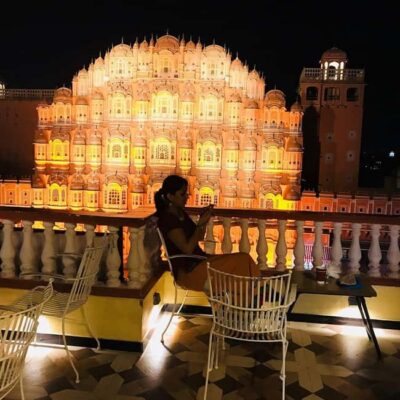
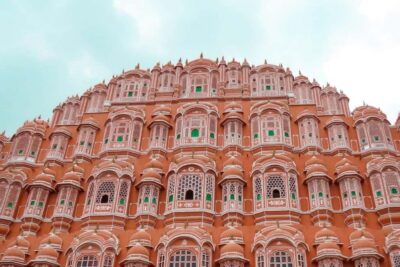
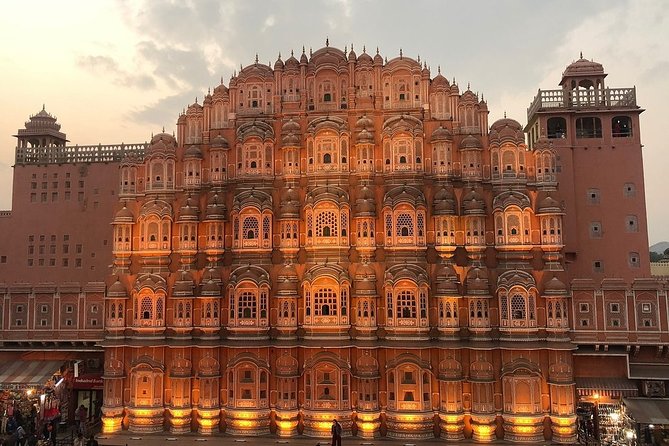
You’ll begin with Hawa Mahal, also known as the Palace of Wind. It’s one of those places that instantly communicates Jaipur’s personality: detailed pink facade, lots of small openings, and a look that seems designed for watching the world go by.
This stop is about 20 minutes. That’s long enough to get your bearings and take photos from the best angles, but not long enough to treat it like a deep museum visit. The guide’s role here is important. Instead of just pointing at the facade, a good guide explains why this building looks the way it does and how it fit into life in the old city.
Watch-outs: admission tickets are not included, so you may need to pay separately if you want to enter. Also, this area can be busy, so plan on some crowding while you move around for angles.
Amber Fort (Amer Palace): where your 2 hours should go
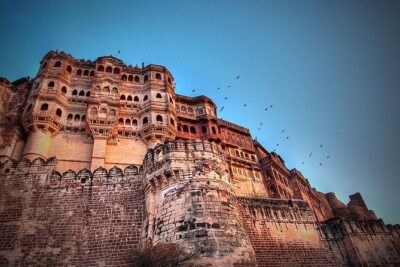
Amber Fort is the day’s heavyweight. This iconic hilltop fort from the 16th century is also UNESCO-listed, and it’s the place where a private guide pays off most.
You’ll get around 2 hours here. That’s a solid amount of time if you use it well:
- Spend a chunk on the fort’s main courtyards and defensive layout.
- Then shift to the visual details—how walls, entrances, and viewpoints work together.
- If you’re into architecture, ask your guide to point out patterns and “why this was built this way.”
Amber Fort is not just about walking through rooms. It’s about understanding how power, defense, and design all meet on a hill. With a guide, you’ll likely come away seeing the fort as more than a photo stop.
The main trade-off: entrance tickets are not included, and forts often include extra charges depending on what you do (and whether you bring a camera). Budget for that. Also, even with a vehicle between stops, you’ll still be on your feet within the fort grounds.
Panna Meena ka Kund: the stepwell that changes your perspective
This stop is short but memorable: Panna Meena ka Kund, a stepwell built in the 16th century. Stepwells in Rajasthan aren’t just pretty—they were functional life-support systems for storing and accessing water.
You’ll have about 30 minutes. That’s enough time to appreciate the geometry and textures, and to understand how the place worked historically. A good guide helps you see the structure as engineering, not just an old photo background.
It’s also a nice contrast with the big, major-ticket sights. If Amber Fort and City Palace feel like “big statements,” Panna Meena ka Kund is more of a quiet, technical detour.
Consideration: the day includes a moderate amount of walking overall. Stepwells can involve uneven steps and surfaces, so comfortable shoes matter.
You can also read our reviews of more private tours in Jaipur




Jal Mahal: short stop, calm water-pastel payoff
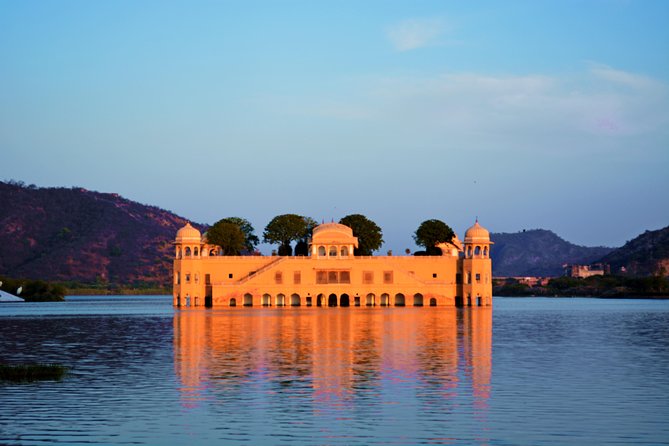
Jal Mahal, the Water Palace, is one of those views that makes you stop mid-route. The palace sits low and symmetrical and appears to float when the water levels cooperate—an unusual and peaceful sight amid the city’s noise.
Your time here is about 15 minutes. Keep expectations aligned: this is mostly a viewpoint-and-photo moment rather than a long exploratory visit. Even so, it works well as a breath break between more structured monuments.
Jal Mahal’s admission is listed as free. So if you’re trying to keep entry fees down, this is a good stop to include.
Tiny practical tip: because it’s a short stop, decide early what you want—wide view for context, or closer details if possible—so you don’t waste your time in the crowd.
City Palace: palace life without the guesswork
Then you’ll head to the City Palace of Jaipur. This complex was established at the same time as the city itself and was tied to Maharaja Sawai Jai Singh II, who moved his court to Jaipur from Amber in 1727.
You’ll spend about 1 hour 30 minutes here. That’s enough time to see the main areas without feeling rushed—especially if you’re using your guide to interpret what you’re looking at. City Palaces can be confusing if you only have self-guided signage. With a guide, you can connect the architecture to how the royal household and governance worked.
What to look for: focus on transitions—how courtyards and halls relate—and on how the palace reflects Jaipur’s position as a center of rule and culture.
Heads up: admission tickets are not included, and camera fees may apply depending on the areas you access.
Jantar Mantar: the science stop that isn’t just stones
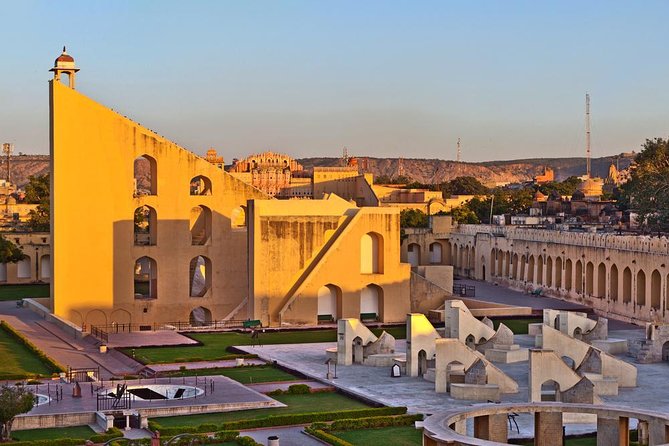
You’ll finish (or near-finish) at Jantar Mantar, built by Sawai Jai Singh II in 1734. This is an astronomical observatory, and one of its headline features is the world’s largest stone sundial.
Your time here is about 30 minutes. That’s short, but it’s a good length if your guide helps you understand what you’re seeing. Jantar Mantar can feel abstract if you only look at it like sculpture. A good explanation turns those measurements, angles, and shapes into something you can actually follow.
This stop tends to be a favorite for people who like science, design, or history that isn’t just dates and names. It also offers variety—after forts and palace spaces, it’s a different kind of heritage.
Plan for fees: entrance tickets are not included, so bring the extra budget mindset again.
Comfort, clothing, and the walking reality
This tour is designed to be comfortable, but Jaipur in a day does mean moving.
- The car rides keep you protected from heat and save time between sites.
- There’s a moderate amount of walking, so wear comfortable shoes you can trust on uneven surfaces.
- Dress code is smart casual. For temple areas, shorts or sleeveless tops are not recommended. You’ll want something that works for warm weather but still fits the rules.
Your guide’s language can be English or another language if available. The key is making sure you and your guide are aligned on what you want to focus on—photos, architecture, or stories.
One more practical point: the tour requires a current valid passport on the day of travel. If you’re traveling from abroad, don’t assume you can swap documents later.
Guides and flexibility: what you gain from being private
Because this is private, you aren’t forced into a rigid script. A major strength of this experience is flexibility—how long you spend at each place and how you pace the day.
In particular, guides like Yash (who is described as a history teacher) can turn the monuments into an actual learning experience. You get explanations that connect details to the bigger picture, which makes your time feel purposeful rather than rushed.
Private guiding also helps when the day doesn’t go perfectly—heat, crowds, or your own energy levels. You can still keep the big sights covered, but you can adjust the moments that matter most to you.
Who should book this Jaipur private day tour
This is a great fit if you:
- Want to see the top Jaipur attractions in one day without organizing transport yourself
- Like having a guide explain what you’re looking at (especially at Amber Fort and Jantar Mantar)
- Prefer the comfort of air-conditioned car rides and hotel pickup/drop-off
It may not be the best fit if you:
- Want a totally DIY budget itinerary with only self-guided entry fees
- Have very limited mobility or dislike any walking at all
Should you book this private Jaipur day tour?
Yes—if your goal is a smooth, high-value introduction to Jaipur’s highlights. The combination of hotel pickup, AC transport, and a private guide is exactly what turns a long day into a workable day.
Book it with the right mindset: budget extra for entrance tickets, plan for moderate walking, and dress so temple rules are no stress. If you do that, you’ll leave with a clear sense of how Jaipur’s architecture, royal spaces, and astronomy heritage connect.
FAQ
What’s included in the tour price?
The tour includes transport by air-conditioned mid-size sedan or SUV, fuel, parking charges, toll taxes, hotel pickup and drop-off, and bottled water.
What is not included?
Monument entrance fees (and camera fees), accommodation/hotels, meal expenses, personal expenses, and driver’s tips are not included.
How long is the tour?
The duration is about 8 hours.
Where does the tour start and end?
It includes hotel pickup and hotel drop-off in Jaipur.
Which major sites are visited?
You’ll visit Hawa Mahal, Amber Fort (Amer Palace), Panna Meena ka Kund, Jal Mahal, City Palace, and Jantar Mantar.
Are admission tickets included?
No. Admission tickets are not included for the main monuments listed, while Jal Mahal is listed as free.
What should I wear?
Smart casual clothing is recommended. Shorts or sleeveless tops are not recommended in temple areas.
Is the tour private?
Yes. It’s a private tour, with only your group participating.