REVIEW · JAIPUR
Jaipur: Full-Day Private Sightseeing Tour by Tuk Tuk
Book on GetYourGuide →Operated by Jaipur Pinkcity Tours · Bookable on GetYourGuide
Jaipur hits different when you move through it by tuk tuk instead of sitting in a cramped car. This full-day private route strings together the must-sees you came for—Amber Fort, City Palace, Jantar Mantar—and a couple of classic photo stops that make the day feel bigger than its 8 hours. I like that it’s built for momentum, with hotel pickup and drop-off plus a smooth flow between sights, not a half-day of waiting around.
Two things I really appreciate: the driver-led commentary that helps you connect the dots between Rajput and Mughal designs, and the practical detail of skipping the ticket line so you spend more time looking and less time standing. One consideration: there’s a moderate amount of walking, and the temples and forts can be strict about dress, so bring comfortable shoes and dress smart casual.
In This Review
- Key Highlights I’d Chase on This Jaipur Day
- Why This Jaipur Tuk Tuk Route Works in One Day
- Pickup, Timing, and How the Driver Keeps You Sane
- Hawa Mahal: 953 Windows and a Good First Photo Stop
- Amber Fort: Rajput and Mughal Blends on the Hilltop
- Panna Meena ka Kund and Jal Mahal: Two Stops That Change the Mood
- Shopping Hour and Lunch Break: You Control the Pace
- Gaitor Ki Chhatriyan Photo Stop: A Quiet Change of Scene
- City Palace: Art, Artifacts, and Royal Blends Under One Roof
- Jantar Mantar: Giant Instruments for Time and Eclipses
- Albert Hall Museum: Indo-Saracenic Indoors and Rajasthan’s Art Picks
- Price and Value: What $9 Buys You Here
- Smart Casual Dress, Shoes, and One Safety Mindset
- Should You Book This Jaipur Tuk Tuk Tour?
- FAQ
- How long is the Jaipur full-day private sightseeing tour by tuk tuk?
- Is hotel pickup and drop-off included?
- Does the tour include a driver and bottled water?
- Are entrance fees to monuments included?
- Is there a skip-the-ticket-line benefit?
- What languages are available for the driver?
- Is this a private group or shared tour?
- What should I wear or bring for the sites?
- Is the tour suitable for wheelchair users or pregnant women?
- Can I cancel and get a full refund?
- Is there an option to pay later?
Key Highlights I’d Chase on This Jaipur Day
- Skip-the-line entry so your morning doesn’t evaporate at counters
- Driver as guide with English (and several other languages) plus practical local tips
- Amber Fort + Jantar Mantar combo for architecture and science in the same day
- Photo-friendly tuk tuk pacing with quick stops you can actually use
- Jal Mahal views from Man Sagar Lake for that postcard moment
- Albert Hall Museum as a calm indoor reset after outdoor sightseeing
Why This Jaipur Tuk Tuk Route Works in One Day
Jaipur is big enough that doing the top sights “at your own pace” can turn into a scheduling puzzle. This private 8-hour format solves that. You get a tight loop that covers royal Jaipur (Amber Fort, City Palace, Hawa Mahal), then shifts to the city’s science and art side (Jantar Mantar and Albert Hall Museum), and finishes with Jal Mahal on Man Sagar Lake.
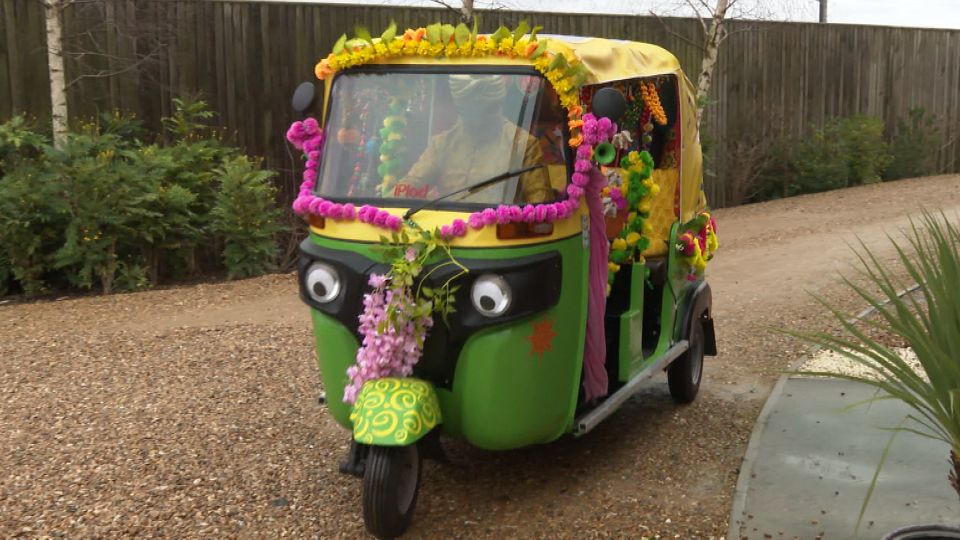
The tuk tuk matters more than you’d think. In places like the central tourist area, parking and short photo moments are where time usually disappears. A tuk tuk’s size makes it easier to stop, wait, and move on without feeling like you’re abandoning your group in the traffic jam. Add in a driver who knows where to pause and how to keep the day on track, and you end up with a full-sight day that still feels relaxed.
You can also read our reviews of more private tours in Jaipur


Pickup, Timing, and How the Driver Keeps You Sane
The day starts with pickup from your hotel, airport, railway station, or a location you choose. That’s a real time-saver in Jaipur, where getting started can be the hardest part of the day. The tour also includes drop-off back where you started, so you’re not stuck figuring out transport late in the afternoon.
Your driver is also the brain behind the route. In a city with heavy traffic around the main sights, the comfort isn’t just the vehicle. It’s having someone who can get you through the chaos without making it feel chaotic for you. Many guides on this route are praised for staying calm and for answering questions while you travel between stops, which is exactly when your brain is most ready to learn.
One more practical detail: bottled water is included. It sounds basic, but you’ll feel it when you’re out and about for hours.
Hawa Mahal: 953 Windows and a Good First Photo Stop
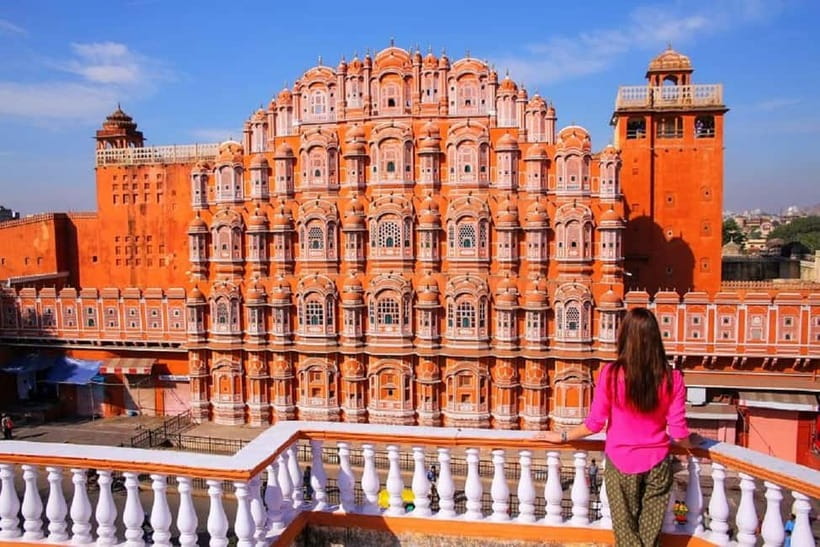
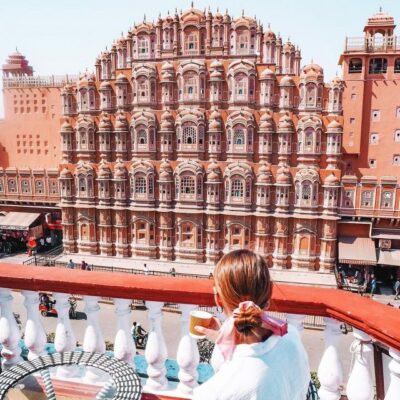
Hawa Mahal (Palace of Winds) is the kind of sight you understand in one glance. It was built in 1799 by Maharaja Sawai Pratap Singh, and the famous façade has 953 small windows. The big idea is easy to grasp when you stand there: the royal ladies could observe street activity while staying unseen.
This tour gives you a photo stop and time to visit. That timing works because Hawa Mahal is at its most useful early. You’re fresh, the light is often more forgiving, and you can handle the crowds more comfortably before the rest of the day stacks up.
Tip for photos: don’t just shoot the façade from the front. If you can, walk a bit around the viewing area. The layered frontage looks different from slightly off-angle, and it helps your photos look less like a postcard copy.
Amber Fort: Rajput and Mughal Blends on the Hilltop
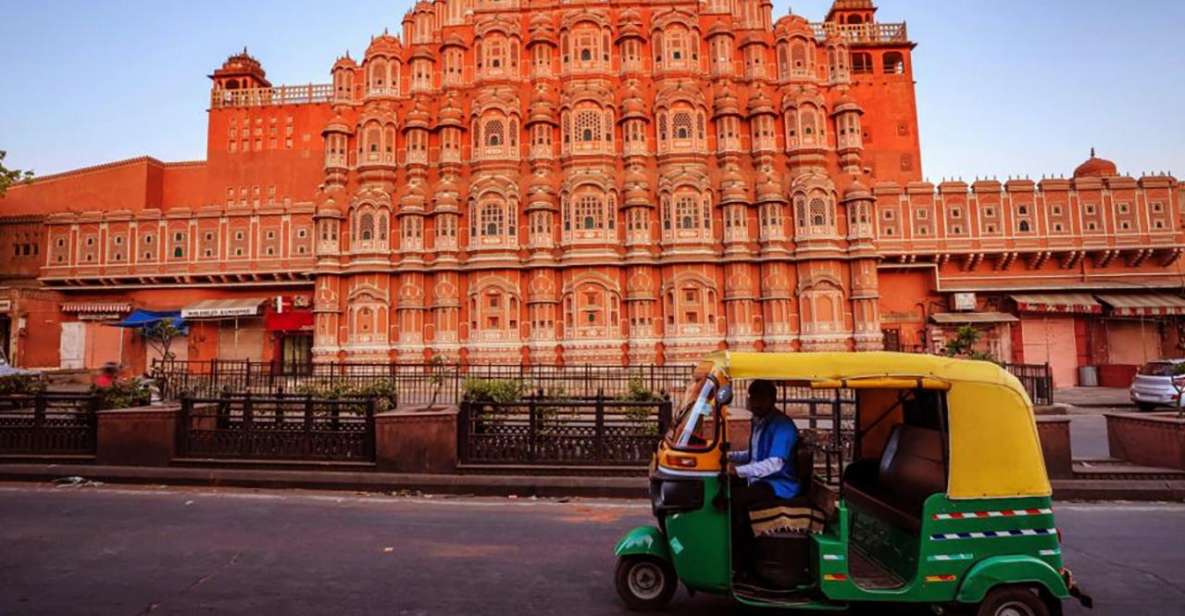
Amber Fort is the day’s headline, and for good reason. It’s a UNESCO World Heritage Site on a hill overlooking Maota Lake. Inside, the architecture mixes Rajput and Mughal styles, and you see that blend in the decorative details—carvings and mirror work that make the rooms feel like they were designed for ceremonial drama.
This stop lasts about 1.5 hours, which is enough time to actually experience the interior, not just rush through for quick pictures. The driver’s explanations help here. When someone points out what you’re looking at—how ornamentation and design reflect power and prestige—the fort moves from “big building” to “why this matters.”
One thing to keep in mind: forts and palaces involve uneven paths and lots of standing. Comfortable shoes are not optional.
Panna Meena ka Kund and Jal Mahal: Two Stops That Change the Mood
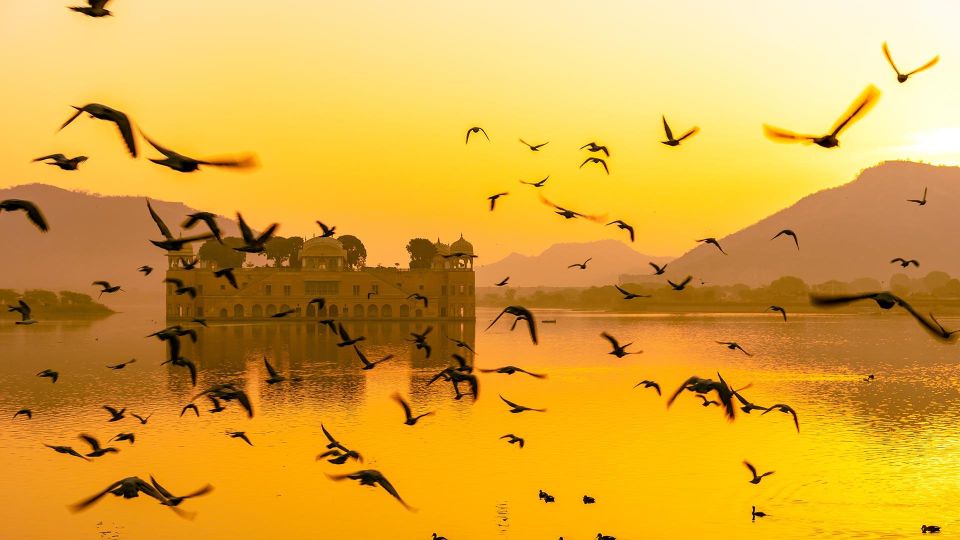
After Amber Fort, the route includes a stop at Panna Meena ka Kund and then a visit to Jal Mahal. Panna Meena ka Kund is a shorter, photo-friendly pause (about 30 minutes). It’s a good breather after the intensity of Amber Fort, and it keeps the pacing from turning into one long march of similar-looking scenes.
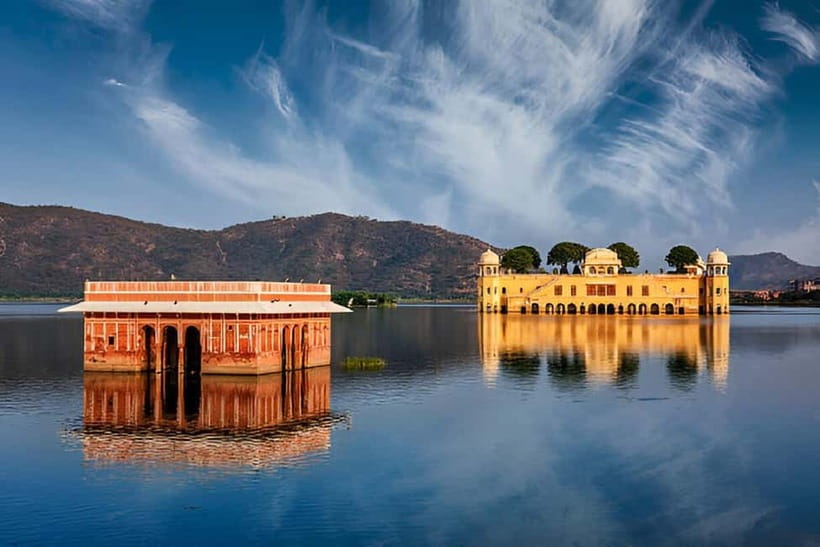
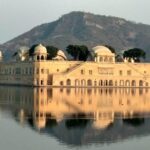
Then comes Jal Mahal, the palace set into the water of Man Sagar Lake. Built in the 18th century as a pleasure palace for the royal family, it has that classic Rajput and Mughal mix—most of it framed by water and reflections. The visit here is about 30 minutes, which is right for a place like this. You want time to take in the setting without letting the stop drag.
Practical photo tip: aim for multiple angles. Jal Mahal reads as one design from a distance, but close-up viewpoints and different lines of sight can completely change how it photographs.
You can also read our reviews of more tours and experiences in Jaipur


Shopping Hour and Lunch Break: You Control the Pace
The tour includes a shopping/arts-and-crafts market visit for about 1 hour, plus lunch and free time for about 1 hour. I like this structure because it gives you a break from stone and history without leaving you powerless. If you’re into souvenirs, textiles, or small crafts, you get a dedicated window. If you just want food and rest, you can treat this section like your reset button.
Also, the free time matters because the day is busy by nature. When you control lunch and decide what to do next, the tour feels less like a checklist and more like a day you actually lived.
Gaitor Ki Chhatriyan Photo Stop: A Quiet Change of Scene
Gaitor Ki Chhatriyan comes next, with about 1 hour for a photo stop and visit. This is the kind of stop that benefits from going with the moment. Instead of racing from one famous façade to another, you get a longer pause to take photos and slow down.
There’s no need to force it into a “must-understand” moment. Use it as a photographic intermission, stretch your legs, and reset before City Palace and the more cerebral stops.
City Palace: Art, Artifacts, and Royal Blends Under One Roof
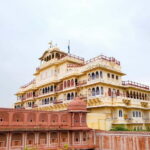
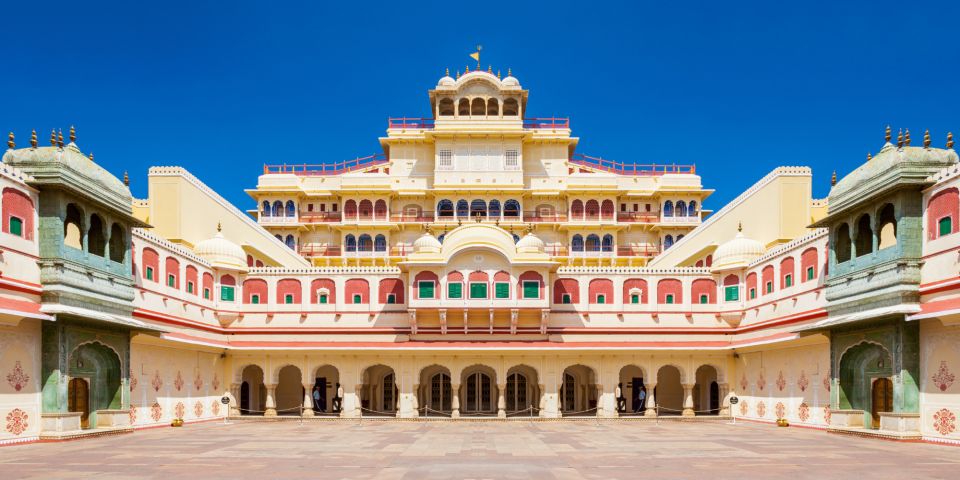
City Palace is a sprawling complex that served as the seat of the Maharaja of Jaipur for centuries. What I like about this stop is how clearly it shows mixing styles: Rajput, Mughal, and European architectural influences are all part of the design story.
This is also where you get inside the collection. The museum areas hold art, artifacts, and royal memorabilia, so you’re not only looking at buildings—you’re looking at the objects that helped define court life.
This visit lasts about 1 hour. That’s a solid length for moving at a human pace: enough time to notice details, but not so long that you start losing track of what you’re seeing.
Jantar Mantar: Giant Instruments for Time and Eclipses
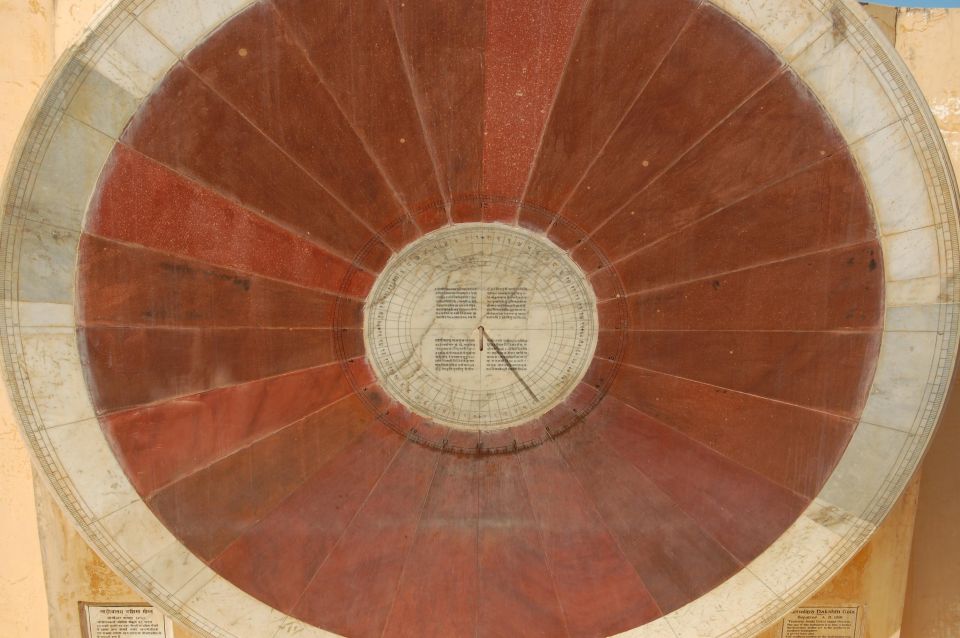
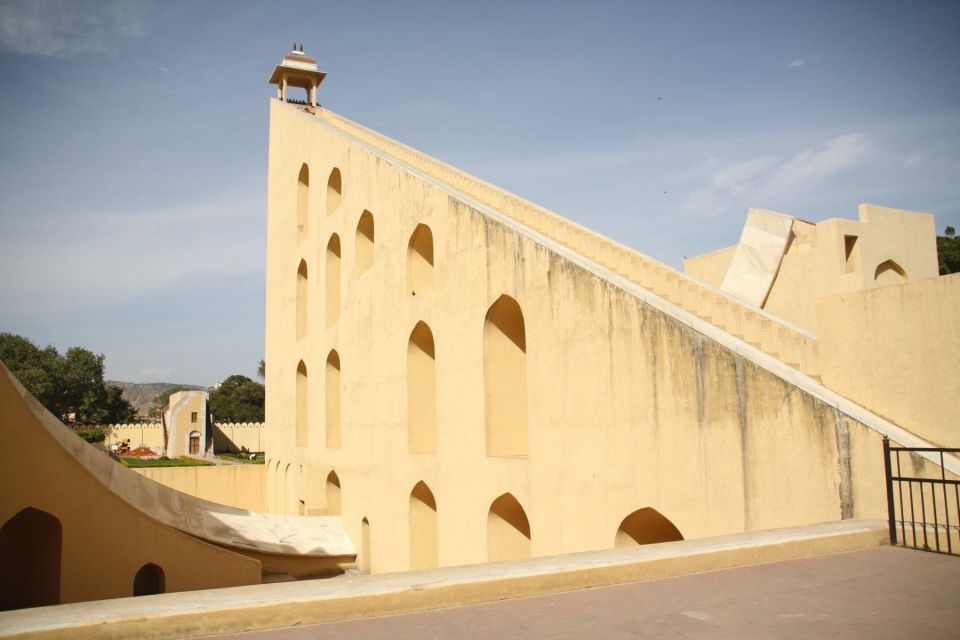
Then you switch gears to Jantar Mantar, an 18th-century astronomical observatory and UNESCO World Heritage Site. The key idea is simple and cool: giant instruments designed to measure time, track celestial movements, and predict eclipses with impressive accuracy.
This is the kind of stop that becomes better the moment someone gives you a few orientation points. Without guidance, it can feel like a strange set of monuments. With context, it turns into a working science kit built in stone.
You’ll spend about 1 hour here. That’s enough time to walk the main area, read what each instrument was for, and connect it to the bigger theme of Jaipur: this wasn’t just palace glamour. People here also engineered ways to understand the sky.
Albert Hall Museum: Indo-Saracenic Indoors and Rajasthan’s Art Picks
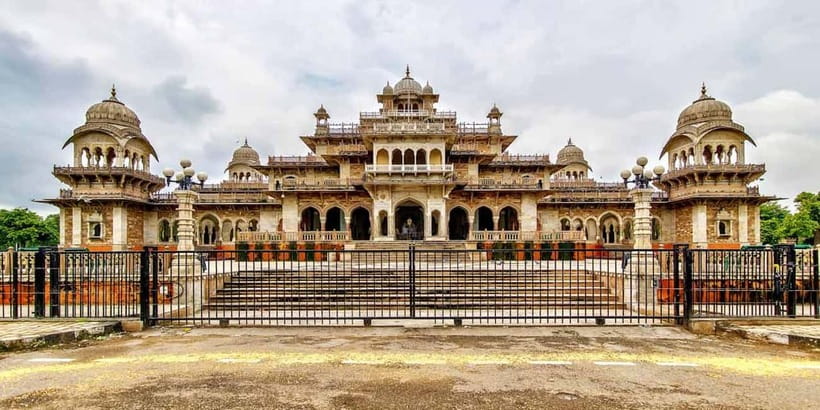
After the outdoor stops, Albert Hall Museum is a welcome change of pace. It’s one of the best-known museums in Rajasthan and is described as the oldest museum of the state. The building itself is a highlight—designed by British architect Sir Samuel Swinton Jacob in an Indo-Saracenic style.
Inside, you’ll find paintings, sculptures, ceramics, and weaponry. I like this stop because it gives you something to compare with what you saw at the palaces: the same royal themes, but expressed through objects. It also helps break the day so you don’t burn out before the last scenic moment.
This works especially well if you’re traveling with anyone who prefers “real objects” over just photos of façades.
Price and Value: What $9 Buys You Here
At around $9 per person for an 8-hour private sightseeing tour, the value is strong—assuming you budget separately for monument entrance fees. The tour includes pickup and drop-off, a driver, bottled water, fuel, parking charges, and tolls/taxes. That matters because local transport costs and entry logistics can add up fast when you’re trying to do everything independently.
The big catch is not unusual but important: entrance fees to monuments and camera fees are not included. Meals also aren’t included. If you’re counting total cost, factor those in before you compare with other tour options.
Still, if your goal is to see the biggest Jaipur names in one day without juggling transport, time, and ticket lines, this price point is hard to beat.
Smart Casual Dress, Shoes, and One Safety Mindset
Dress code is smart casual. Short shorts or sleeveless tops are not recommended for temples. Forts and palace areas can also involve tighter spaces, so you’ll want clothing that lets you walk and sit comfortably.
Bring your passport or ID card, and wear comfortable shoes because the day includes moderate walking. Also note: this tour is not suitable for wheelchair users and is not recommended for pregnant women.
If you want one confidence boost, use your driver’s advice about what to expect around major sights. Many guides on this route are praised for warning visitors about scams and for helping you avoid unnecessary detours or pressure.
Should You Book This Jaipur Tuk Tuk Tour?
Book it if you want a one-day private Jaipur route that hits Amber Fort, Hawa Mahal, City Palace, Jantar Mantar, and Jal Mahal without turning the day into logistics work. It’s especially worth it when you care about pacing, want commentary from the driver in your preferred language, and don’t want to spend your morning stuck in lines.
Skip it if you hate walking, need wheelchair access, or you’re only interested in one or two sites and would rather do them slowly on your own schedule. For everyone else, this is a practical, high-value way to see Jaipur like you’re being shown around by someone who actually drives the roads and knows where to pause.
FAQ
How long is the Jaipur full-day private sightseeing tour by tuk tuk?
It runs for about 8 hours.
Is hotel pickup and drop-off included?
Yes. Pickup and drop-off are included from your hotel, airport, railway station, or another location you choose.
Does the tour include a driver and bottled water?
Yes. The driver is included, and bottled water is provided.
Are entrance fees to monuments included?
No. Entrance fees to monuments and camera fees are not included.
Is there a skip-the-ticket-line benefit?
Yes. The tour includes skipping the ticket line.
What languages are available for the driver?
The driver can speak English, French, Spanish, Russian, and Japanese.
Is this a private group or shared tour?
This is a private group.
What should I wear or bring for the sites?
Wear smart casual clothing, and bring comfortable shoes. You should also bring your passport or ID card.
Is the tour suitable for wheelchair users or pregnant women?
No. It’s not suitable for wheelchair users, and it’s not recommended for pregnant women.
Can I cancel and get a full refund?
Free cancellation is available up to 24 hours in advance for a full refund.
Is there an option to pay later?
Yes. You can reserve now and pay later.