REVIEW · JAIPUR
2 Day Jaipur Private Tour + Entry Tickets
Book on Viator →Operated by Abby & Scout Tours · Bookable on Viator
Two days can still feel like a Jaipur lifetime. This private car tour strings together classic landmarks and quieter stops like Panna Meena ka Kund for serious atmosphere and great photos. You get air-conditioned transfers plus an English-speaking local guide that keeps everything organized.
I especially like how the plan mixes royal sights with off-the-beaten moments. You’ll hit the City Palace and Hawa Mahal, then drop into places that feel calmer, like the stepwell under Amber and the temple stop that’s more about stillness than selfies. I’m also a fan of the food break built into the day—lassi at Lassiwala is quick, included, and exactly the kind of Jaipur detail that makes the day feel real.
One thing to keep in mind: some monument photo fees can cost extra. The tour covers entry tickets, but video/still camera fees are not included, so budget a little if you plan to shoot a lot.
In This Review
- Key reasons this 2-day private Jaipur tour works
- Jaipur, Two Days: How the Private Car Really Changes the Trip
- Day 1: Panna Meena ka Kund, Jal Mahal, and the Pink City Center
- Panna Meena ka Kund (stepwell photography beneath Amber)
- Jal Mahal (quiet water palace mood)
- City Palace of Jaipur (royal architecture you can actually read)
- Hawa Mahal (Palace of Wind) for the façade and the idea behind it
- Jantar Mantar (ancient astronomy that still feels clever)
- Swargasuli Tower (the spiral climb for viewpoints)
- Lassiwala Kishan Lal Govind Narain Agarwal (Jaipur lassi as a built-in break)
- Jagat Shiromani Ji Temple (serenity break)
- Day 2: Royal Gaitor Tombs, Monkeys, and Albert Hall Museum
- Royal Gaitor Tumbas (marble tombs for quiet grandeur)
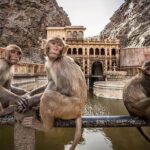
- Monkey Temple (spiritual setting with lively residents)
- Albert Hall Museum (one hour that turns history into context)
- Nahargarh Fort at Night Views and Patrika Gate Color Stops
- Nahargarh Fort (big-city views when the light changes)
- Patrika Gate (artwork you can walk past and still enjoy)
- Old Jaipur markets (walk-through energy with room to snack later)
- Price and What You’re Actually Paying For (and For What You Aren’t)
- The Guide Factor: Why People Rave About Names Like Tahir and Gaurav
- Photo and Timing Tips for Stepwells, Towers, and Fort Views
- Who Should Book This Private Jaipur Tour (and Who Might Not)
- Should You Book This 2-Day Jaipur Private Tour?
- FAQ
- How long is the Jaipur tour each day?
- Is hotel pickup and drop-off included?
- Are the monument entry tickets included?
- Is the vehicle air-conditioned and private?
- Is lassi included?
- Do I need to pay camera fees at monuments?
- Can I cancel for a full refund?
Key reasons this 2-day private Jaipur tour works
- Private, air-conditioned car for comfortable transfers between hilltops, forts, and the old city
- Entry tickets included for major sites like City Palace, Hawa Mahal, Jantar Mantar, Swargasuli Tower, and Albert Hall
- Stepwell and palace-side scenery with stops known for photos (Panna Meena ka Kund) and calm views (Jal Mahal)
- Big viewpoints built into the schedule (Swargasuli Tower and Nahargarh Fort)
- A real guide dynamic people highlight as warm, flexible, and helpful—names you may hear include Gaurav, Tahir Hussain, and Mushtaq Ahmed
Jaipur, Two Days: How the Private Car Really Changes the Trip
This is the kind of Jaipur plan that works because you’re not fighting transport. You’re picked up each day and moved around in a private air-conditioned car, which matters when you’re bouncing between forts and central sights. The days run about 7–8 hours, and the schedule is tied to monument hours until sunset, so the timing feels purposeful rather than random.
What you get is a guided route with breaks that make sense. Some stops are short (like 20 minutes at Hawa Mahal), while others give you room to slow down (like Albert Hall and Nahargarh). That balance is where value shows up—your guide isn’t just ticking boxes.
It’s also private, meaning only your group participates. That tends to make the pace feel more human. In past experiences with this operator, the standout theme is organization and comfort from pickup to drop-off. People also mention guides who answer questions patiently and adjust when interests change.
You can also read our reviews of more tours and experiences in Jaipur



Day 1: Panna Meena ka Kund, Jal Mahal, and the Pink City Center
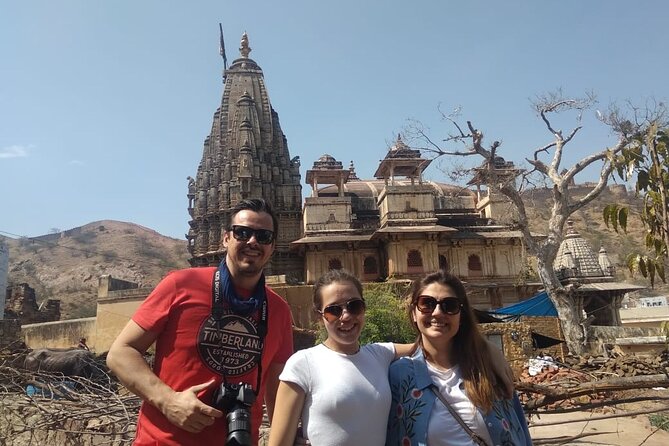
Day 1 is built for “first-time Jaipur confidence.” You start with a spot that most big tours skip, then you move into the heavy hitters while the day is still fresh.
Panna Meena ka Kund (stepwell photography beneath Amber)
You begin at Panna Meena ka Kund, a 16th-century stepwell under the fortress area. It’s one of those places where the setting does half the work—light, stone steps, and a moody feel that photographs well. The visit is short (about 20 minutes), which is perfect because it lets you enjoy the place without turning it into a rushed production.
Value for you: if you care about Jaipur beyond the main monuments, this stop gives you a different texture of the city.
Jal Mahal (quiet water palace mood)
Next is Jal Mahal, the “water palace” setting where the atmosphere matters as much as the architecture. You get around 20 minutes here—enough to take it in and catch reflection-style views.
Potential downside: this is more about ambiance than history homework. If you prefer museums over scenery, you may want your guide to point out the key architectural elements quickly.
City Palace of Jaipur (royal architecture you can actually read)
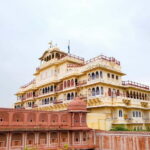
Then it’s into the City Palace, with about 1 hour 30 minutes on the clock and entry included. This is a major royal complex blending Rajasthani and Mughal styles. The time matters here; you’ll want it. City Palace is the kind of place where you’ll understand more when someone explains what you’re seeing.
What I like about the fit: it’s early enough in the day that you’re not already tired of walking and stairs.
You can also read our reviews of more private tours in Jaipur






Hawa Mahal (Palace of Wind) for the façade and the idea behind it
Hawa Mahal follows, about 20 minutes and entry included. The whole point is the façade—latticed windows designed for breezes and a look into everyday life. The visit is short by design, which keeps the day flowing into the science and panoramic spots.
Quick tip: take a moment to look at it from a few angles. The details are easy to miss if you only stare straight ahead.
Jantar Mantar (ancient astronomy that still feels clever)
After that, Jantar Mantar gives you about 40 minutes and entry included. This is an astronomical observatory—stone instruments built to measure the sky. It’s one of those stops where a good guide changes everything. You can look, but your guide helps you understand how the instruments relate to celestial movement.
Why it’s worth time: it’s not just “old rocks.” It’s old engineering with a wow factor.
Swargasuli Tower (the spiral climb for viewpoints)
Then comes Swargasuli Tower, about 30 minutes with entry included. The highlight here is the spiral experience leading to panoramic views. Since the tour includes the ascent, you’ll likely get the payoff without hunting around for the best angle.
This is also a nice palate cleanser after the dense monument cluster. It’s more about the view and the movement.
Lassiwala Kishan Lal Govind Narain Agarwal (Jaipur lassi as a built-in break)
You’ll stop for lassi at Lassiwala, about 15 minutes and included. This is not a random extra; it’s a smart reset. When you’re doing fort-and-palace days, a cold drink is practical, and it’s also a classic local taste.
Jagat Shiromani Ji Temple (serenity break)
Finally on Day 1, there’s Jagat Shiromani Ji Temple for about 30 minutes. It’s free and focused on spirituality rather than spectacle. This stop gives the day a softer landing, especially after the bigger tourist sites.
Consideration: if you prefer only major landmarks, you might feel this one is slower paced. But it’s a good counterbalance.
Day 2: Royal Gaitor Tombs, Monkeys, and Albert Hall Museum
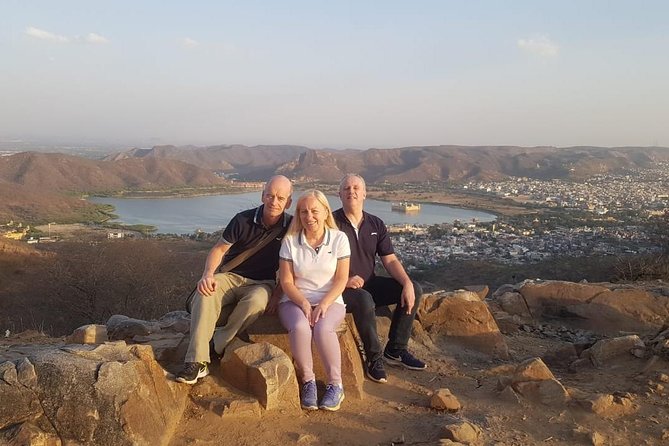
Day 2 shifts from central monuments to a more atmospheric mix: memorial architecture, a nature-and-temple stop, then a culture anchor.
Royal Gaitor Tumbas (marble tombs for quiet grandeur)
You start at Royal Gaitor Tumbas, about 40 minutes with entry included. These marble tombs are Rajput ruler memorials. It’s a different kind of royal story—less palace drama, more permanence and design.
Why it works: it adds variety. Jaipur isn’t only forts and palaces; it’s also how rulers were remembered.
Monkey Temple (spiritual setting with lively residents)
Next is the Monkey Temple for about 45 minutes, free. It’s in a rocky valley and brings a mix of nature, worship, and playful energy. The “monkeys” part can be a highlight for many people, but the temple setting also gives it meaning beyond the novelty.
Practical note: keep small items secure and stay alert. This isn’t a zoo visit; it’s a shared space.
Albert Hall Museum (one hour that turns history into context)
Then you’ll have about 1 hour at Albert Hall Museum, entry included. This museum is known as an architectural masterpiece and it holds art and artifacts. It’s a solid stop when you want something indoor-ish and structured, especially after a morning outdoors.
Value for you: a museum visit helps connect the dots between what you saw yesterday—palaces, instruments, royal design—so the overall trip feels less like disconnected stops.
Nahargarh Fort at Night Views and Patrika Gate Color Stops
The final stretch is where Jaipur starts looking like a movie set.
Nahargarh Fort (big-city views when the light changes)
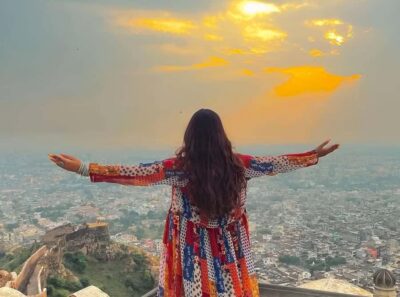
Next is Nahargarh Fort for about 3 hours, entry included. The standout is the vista—when the light shifts, you get sweeping views and the city can look lit up from above.
What to expect time-wise: since the tour runs until monument hours until sunset, the fort often acts as your late-day anchor. It’s the kind of stop where a guide’s timing matters for the view quality.
Patrika Gate (artwork you can walk past and still enjoy)
Afterward, you’ll head to Patrika Gate for about 30 minutes, free. This is a colorful, detailed gateway that’s worth stopping for, even if you’re not in a “must-see every photo spot” mood.
Old Jaipur markets (walk-through energy with room to snack later)
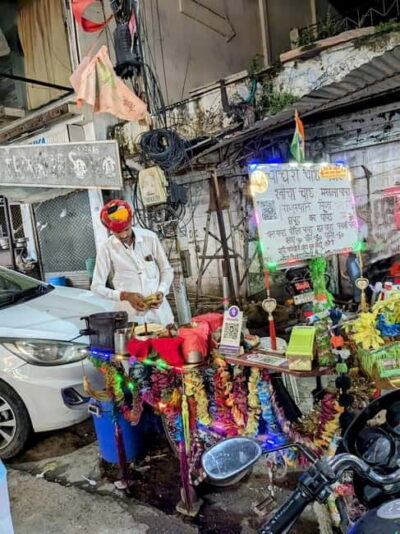
The last stop is an old city walk for about 1 hour 30 minutes, free. You’ll be guided through backstreets and local markets, with time to look, pause, and plan where you’d want to return for dinner.
Food reality check: the tour includes lassi and car snacks, but it doesn’t include meals. If you want a full sit-down dinner, you’ll need to plan for it.
Price and What You’re Actually Paying For (and For What You Aren’t)
At $105.71 per person for a 2-day private tour with entry tickets, the value comes from the combination. You’re getting hotel pickup and drop-off every day, private transfers in air-conditioned comfort, a guide, and entry coverage for multiple major sights across both days.
If you break it down, it’s roughly half-day-by-day cost—but don’t think in terms of “hours only.” The expensive part of this style of trip is the logistics: separate sites spread across the city and hill areas, plus the guide’s time to make sense of it all.
What’s included:
- Private air-conditioned car with pickup and drop-off
- An English-speaking private local tour guide
- Entry tickets for listed monuments
- Bottled water, cookies, snacks, and soft drink in the car
- Lassi as a built-in stop
What’s not included:
- Accommodation and meals
- Tips for the driver and guide
- Video/still camera fees at monuments
- Insurance or emergency/medical costs
My practical take: this price feels fair if you want a guided “two-day hits + a few calmer stops” layout and you don’t want to wrestle with transport. If you’re the type who enjoys self-guided wandering and doesn’t care much about museum context or astronomy explanations, you could likely do it cheaper on your own.
The Guide Factor: Why People Rave About Names Like Tahir and Gaurav
The strongest repeated theme is the people side. Guides like Gaurav, Tahir Hussain, and Mushtaq Ahmed come up in feedback for being warm, attentive, and good at explaining what you’re seeing. You’ll also see mentions of drivers like Bhagwan being experienced with narrow roads, plus a focus on smooth, careful driving.
That matters because Jaipur can be a lot. It’s busy, traffic can be slow, and the route includes places with stair moments (tower climbing) and fort viewpoints. A guide who’s adaptive helps your day feel manageable rather than chaotic.
There are also details that show “service,” not just guiding. One review highlights that the team helped with purchasing something practical during the trip, and that kind of small problem-solving can be surprisingly valuable when you’re dealing with a new country.
Photo and Timing Tips for Stepwells, Towers, and Fort Views
Some stops are built for photos: Panna Meena ka Kund is known as a top photography location, Swargasuli Tower rewards the climb with panoramic views, and Nahargarh Fort offers the city view when light changes. If photography matters, you’ll enjoy the itinerary more.
Here’s the practical part: since camera fees are not included, consider bringing cash just in case. Also, plan your “big shot” moment early in each stop so you don’t rush the rest when time gets tight.
If you’re photographing with a phone, keep an eye on battery life. Forts and outdoor walks can drain power fast, especially with lots of screen checking.
Who Should Book This Private Jaipur Tour (and Who Might Not)
This tour fits best if you want:
- A private plan that moves efficiently with a guide
- Major sights plus at least a couple of stops that feel quieter (stepwell, temple time)
- Comfortable transport and included entry tickets
It’s also a good choice for first-timers who want English guidance and help understanding what you’re looking at—especially at places like Jantar Mantar and inside Albert Hall Museum. The guide’s ability to answer questions and adjust pacing is a big part of why it works.
Who might pause before booking:
- You’re very budget-focused and don’t care about guided explanations
- You plan to stay out late for lots of extra activities beyond what’s included (the tour is set around monument hours, and extra time can mean extra charges)
- You’re highly sensitive to photo fees and want a strict “pay once” day (camera fees can add cost)
Should You Book This 2-Day Jaipur Private Tour?
If you want an efficient, guide-led introduction to Jaipur with real variety, I’d say yes. The included entry tickets, private air-conditioned transfers, and built-in stops like lassi and Panna Meena ka Kund make the price feel like it’s paying for convenience and context, not just driving.
But if you’re the type who prefers to DIY and you’re comfortable navigating sites and timing alone, you may be able to replicate much of this with fewer services. For most people, though, two days is tight. This itinerary keeps you from spending that time figuring things out.
My decision rule: book it if you want Jaipur to feel organized and meaningful. Skip it if you only want the quick photo list and you hate paying for guidance.
FAQ
How long is the Jaipur tour each day?
Each day runs about 7–8 hours, depending on monument operating timings until sunset.
Is hotel pickup and drop-off included?
Yes. The tour includes hotel pickup and drop-off every day.
Are the monument entry tickets included?
Yes. Entry tickets are included for the listed sights in the schedule.
Is the vehicle air-conditioned and private?
Yes. All transfers and sightseeing happen by a private air-conditioned car.
Is lassi included?
Yes. Lassi is included, with a stop at Lassiwala during the tour.
Do I need to pay camera fees at monuments?
Video/still camera fees are not included, so you may need to pay extra if required at certain monuments.
Can I cancel for a full refund?
Yes. You can cancel up to 24 hours in advance for a full refund. If you cancel less than 24 hours before the experience starts, the amount paid is not refunded.