REVIEW · JAIPUR
Walking Tour of Pink City (World Heritage Site) with Local Guide
Book on Viator →Operated by Pashmina Tours · Bookable on Viator
Jaipur’s Pink City rewards slow walking. This 2.5-hour stroll uses real street corners, market lanes, and landmark stops to explain why the area is a World Heritage site, not just a pretty postcard. You get a guided route timed for seeing, photographing, and understanding.
Two things I really like: the local, English-speaking guide (and yes, the vibe can be friendly and well-prepared, like Sanjeed’s calm guidance), and the way the tour blends major sights with everyday Jaipur shopping streets. Plus, you’re not left dry—there’s soda/tea/coffee and bottled water during the walk.
One thing to consider: it’s still a walk through markets, so plan for crowds and sun, and wear comfortable shoes (especially near the bazaars). This is best if you like streets as much as landmarks, not if you prefer fast, vehicle-only sightseeing.
In This Review
- Key highlights you’ll feel on the ground
- Why the Pink City works best on foot
- Meeting at Tattoo Cafe: easy start in the center
- Hawa Mahal (Palace of Wind): quick time, good views
- Johri Bazar: jewelry lanes and wedding dress color
- Bapu Bazar: textiles and the shopping rhythm of Jaipur
- Tripolia Bazar: books, utensils, and gem-stone wholesale
- Chandpol Bazar: spices, dry fruits, silver, and marble work
- Ishwar Lat photos: a minaret that frames the skyline
- The included extras that keep the walk comfortable
- Price and value: where the $35 goes
- Who should book this walking tour of Pink City
- Should you book it or skip it?
- FAQ
- What is the duration of the Pink City walking tour?
- How much does the tour cost?
- What are the main stops during the walk?
- Where do I meet the guide?
- Where does the tour end?
- Is the tour guided, and in what language?
- What’s included in the price?
- Is transport included?
- Is this tour private?
- What if plans change?
- Is admission covered for the stops?
Key highlights you’ll feel on the ground
- Start at Tattoo Cafe by Hawa Mahal so you ease into the Pink City with a clear meeting point
- Rickshaw ride included, a nice break from foot traffic
- Market-to-market route: Johri Bazar, Bapu Bazar, Tripolia Bazar, and Chandpol Bazar
- Photo stop at Ishwar Lat, the tallest minaret inside the Pink City
- Private group format so your guide can pace the walk for your group
- Mobile ticket and group discounts, simple and budget-friendly
Why the Pink City works best on foot
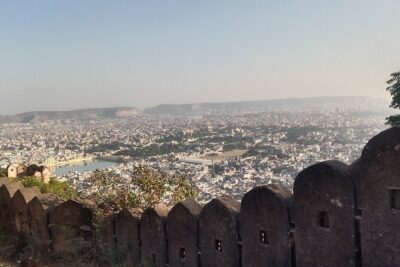
Jaipur’s Pink City doesn’t really “make sense” from a car window. The colors are striking, sure. But what clicks is the street layout—how bazaars feed into landmarks, how neighborhoods cluster around trade, and how the city’s famous architecture sits right inside daily life.
That’s the core value of this kind of walking tour. You’re not just stopping for photos. You’re moving through the same lanes people use, which helps you understand what you’re seeing. It’s also a smarter pace for first-time visitors because you can take in details—craft signs, shop styles, and street-scale views—without constantly recalculating your route.
You’ll come away with a clearer mental map. And you’ll understand the World Heritage idea in a practical way: the city’s structure and built environment aren’t separate from market life; they’re tied together.
You can also read our reviews of more walking tours in Jaipur


Meeting at Tattoo Cafe: easy start in the center
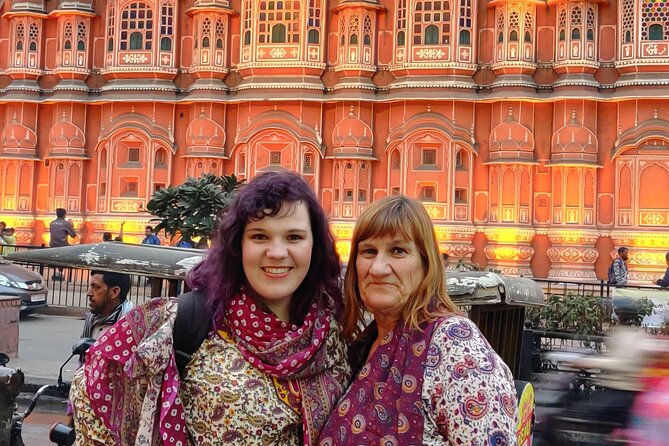
You meet at Tattoo Cafe & Lounge (3rd floor) opposite Hawa Mahal, on Hawa Mahal Rd in Badi Chaupar. The location matters because it’s right in the heart of the Pink City, where most “I’ll figure it out later” plans turn into detours.
There’s a small extra perk here: the tour notes that you can go up to the cafe area right at the start. Even if you don’t think you’ll care about a coffee stop, getting that early vantage point helps you orient fast. I like tours that set you up for success in the first 10 minutes instead of asking you to guess your direction in a maze.
If you’re using public transportation, being “near public transport” is also a real advantage. You can plan arrival without overcomplicating the day.
Hawa Mahal (Palace of Wind): quick time, good views
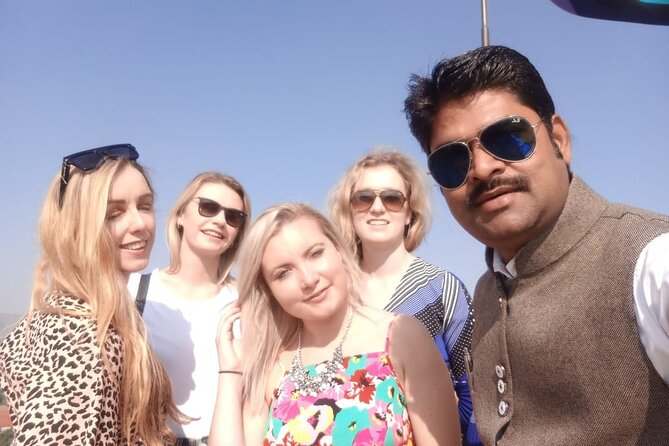
The tour begins with Hawa Mahal, also called the Palace of Wind. You’re there long enough to get your bearings and take photos, but this isn’t a slow museum-style visit. It’s a street-level experience first: you see the façade in context—how it faces the surrounding lanes—and then you connect it to what’s going on around it.
This stop is listed for about 10 minutes, and that short timing is part of the design. When a tour focuses on multiple market areas, a long linger at one building can crowd out the rest of the city. Here, you get the landmark hit early, then the walk transitions into the “how Jaipur actually lives” part.
If you like architectural details, look for how the building’s design works visually at street height. Even if you don’t go deep into interiors (the tour notes admission ticket free for this segment), the exterior still tells the story.
Johri Bazar: jewelry lanes and wedding dress color
Next is Johri Bazar, usually where Jaipur’s jewelry culture feels loudest in the best way. You’ll walk through shops known for stone jewelry and for silver and gold pieces, plus colorful wedding dress shops.
This is a valuable stop because jewelry and textiles aren’t just products here. They’re part of the social calendar—especially in a city where weddings and festivals shape demand. As you pass storefront after storefront, you start to understand why trade streets are so central to the Pink City experience.
Practical tip: bring your camera mindset. This isn’t only about buying; it’s about how colors and materials reflect local craftsmanship. If you’re shopping, go slow and compare within the stop—your guide can help you navigate what’s where.
A possible drawback: bazaars can get busy, and attention from shopkeepers may be constant. If you want a calm stroll, treat this as a “focused window-shopping” moment, not a quiet walk.
Bapu Bazar: textiles and the shopping rhythm of Jaipur
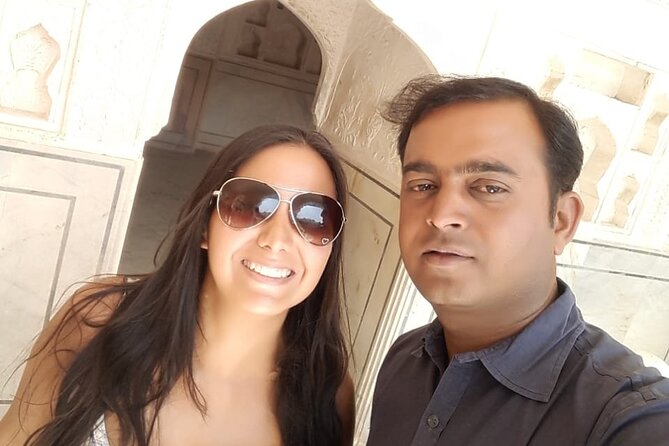
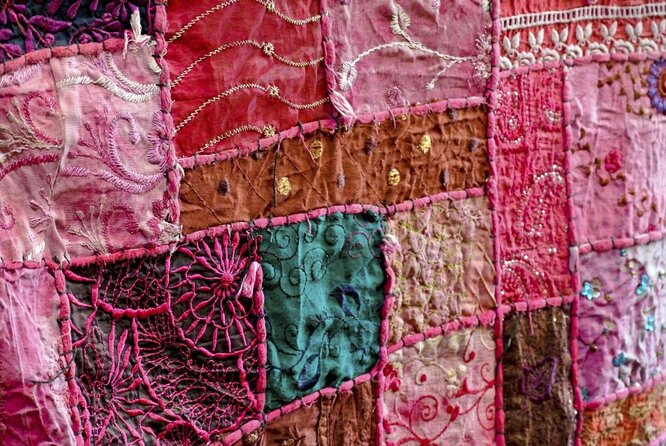
After Johri Bazar, the tour goes to Bapu Bazar, one of the most famous bazaars in India. The focus here is textiles and more general shopping energy.
I like this stop because it balances the jewelry-heavy feel of Johri Bazar. You start noticing different textures—fabrics, patterns, and how displays vary by what the street is selling. It also helps you avoid the common first-day mistake: only seeing one type of craft, then leaving without understanding the bigger trade ecosystem.
This segment is about 30 minutes, which is long enough to browse without turning into “shopping fatigue.” If you’re someone who can handle some crowds but hates long, aimless wandering, this timing is a sweet spot.
You can also read our reviews of more guided tours in Jaipur




Tripolia Bazar: books, utensils, and gem-stone wholesale
Then it’s Tripolia Bazar, where the tour shifts from consumer storefronts to more practical goods and wholesale trade. You’ll see a book market, utensils market, and a wholesale market for precious and semi precious gem stones.
This is where the World Heritage “why” starts to feel tangible. The Pink City isn’t only about landmark monuments. It’s also about how people supply daily needs and specialize by street and market type. Tripolia gives you that street-level logic.
Because this stop is listed for about 30 minutes, you’ll have enough time to notice the trade mix without feeling dragged through a single niche for too long. If gem stones are your thing, you’ll probably want to slow down for photos and shop-window detail. Just keep your expectations realistic: a market stop is best for observation and conversation, not guaranteed deep technical explanations.
Chandpol Bazar: spices, dry fruits, silver, and marble work
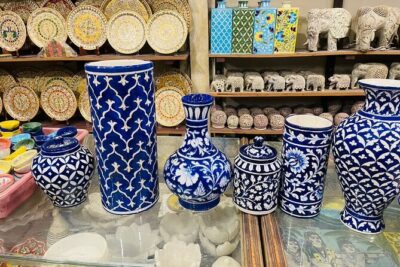
The final market stop is Chandpol Bazar, famous for spices, dry fruits, silver jewelry, and marble work. This is a great ending because it smells like the city. It also gives you a different set of senses than the first bazaars, which tend to dominate with visual sparkle.
This segment runs longer—about 1 hour—so you’ll have time to linger. If you like souvenirs, this is where you’ll likely spot more food and craft items than in the jewelry-first streets.
Chandpol also adds another layer: at the end you stop at Ishwar Lat, described as the tallest minaret inside the Pink City. For photography, this is a strong closer. The walk ends with an upward-looking landmark, which is a nice contrast to the horizontal chaos of bazaars.
Ishwar Lat photos: a minaret that frames the skyline
The Ishwar Lat stop is built for quick, satisfying photos. Since it’s described as the tallest minaret inside the Pink City, it helps you orient vertically—how the city’s landmarks rise over market streets.
Even if you’re not a serious architecture person, this is a smart photo moment because it gives you a clear subject and a sense of scale. It also anchors the experience with a landmark that’s tied directly to the Pink City’s built environment.
For the best results, take your first photos quickly, then move a bit and try a second angle. Street corners can block views, and one repositioning can make the minaret look dramatically different in the frame.
The included extras that keep the walk comfortable
This tour includes an English-speaking guide, a rickshaw ride, and refreshments: soda/tea/coffee and bottled water. Those additions matter more than you might expect on a market-heavy walk.
A rickshaw ride does two jobs. First, it gives you a breather when streets get crowded. Second, it helps your guide shift you efficiently without losing the local texture of the area. Even a short ride can reset your energy.
The drink and water also keep the day realistic. In hot weather, hydration and a warm or cold beverage can make the difference between a fun market stroll and an early retreat.
Not included is transport and meals like lunch and dinner. That’s normal for a focused 2.5-hour city walk. I’d plan a proper meal outside the tour window and keep snacks light on the day so you’re not weighed down.
Price and value: where the $35 goes
At $35.00 per person for about 2 hours 30 minutes, this tour is aiming for value in two ways: guidance and time-efficient structure.
You’re paying for:
- An English-speaking local guide who can route you through multiple markets without guesswork
- A rickshaw ride, which you don’t have to negotiate on your own
- Refreshments and water, which prevent “I’m paying for everything twice” moments
- A clear start/end point in the heart of the Pink City
You’re not paying for your own transport, and you’re not paying for long museum-style entry fees. Also, the stop information notes admission ticket free for the listed segments, which keeps the experience from ballooning into unexpected costs.
For me, the best value is not just the low price. It’s the way the route strings together different sides of Jaipur: monument, jewelry trade, textiles, everyday markets, and then a minaret photo stop. If you want a quick first impression that still feels organized, this is a solid deal.
Who should book this walking tour of Pink City
This works best if you:
- Want to see Jaipur beyond the big-picture sightseeing and into market life
- Like having an itinerary with short, focused stops instead of wandering for hours
- Appreciate an organized route with an English-speaking guide who can keep things moving
It’s also a good fit for a first visit, because it gives you a map of what to return to later. Once you’ve walked these streets, you’ll know where you want to spend extra time on your own.
If you hate crowds at street level, or you want mostly quiet landmarks with lots of sitting time, this might feel like too much energy. In that case, you’d probably prefer a different format—more monument-focused, less market-based.
Should you book it or skip it?
Book it if you want a guided street-level Jaipur experience that balances Hawa Mahal with the market lanes that make the Pink City tick. The price is reasonable, the inclusions help you stay comfortable, and the route structure keeps you from losing half your time figuring out where to go next.
Consider a different option if you want a slow, in-depth architecture tour with lots of museum time. This one is designed to be active, photo-friendly, and market-aware.
If your goal is to understand why Jaipur’s Pink City is a World Heritage site, and to leave with more than just photos, this tour has the right shape.
FAQ
What is the duration of the Pink City walking tour?
The tour runs for about 2 hours 30 minutes (approx.).
How much does the tour cost?
It costs $35.00 per person.
What are the main stops during the walk?
You’ll visit Hawa Mahal, Johri Bazar, Bapu Bazar, Tripolia Bazar, and Chandpol Bazar, with a photo stop at Ishwar Lat.
Where do I meet the guide?
Meet at Tattoo Cafe & Lounge, 3rd floor, 30, Opposite Hawa Mahal, Hawa Mahal Rd, Badi Chaupar, Jaipur, Rajasthan 302002, India.
Where does the tour end?
The tour ends back at the meeting point.
Is the tour guided, and in what language?
Yes. It includes an English speaking tour guide.
What’s included in the price?
Included are the guide, a rickshaw ride, soda/tea/coffee, and bottled water.
Is transport included?
No. Transport is not included.
Is this tour private?
Yes. It’s listed as private, with only your group participating.
What if plans change?
You can cancel for free up to 24 hours in advance for a full refund.
Is admission covered for the stops?
The tour notes free admission tickets for the listed stops.