REVIEW · JAIPUR
From Delhi: Private 5 Days Golden Triangle Guided Tour
Book on GetYourGuide →Operated by India Tour Solution - ITS · Bookable on GetYourGuide
The Golden Triangle is a whole lot more than postcards. This private 5-day route strings together Delhi, Agra, and Jaipur with official-style sightseeing and guides who help you read what you’re seeing. I like that the day-by-day plan doesn’t just name monuments, it builds a logical flow from Mughal power to Rajput splendor.
What I like most is the human touch. In past bookings, guides such as Kabeer and Aamir made Delhi feel clear and practical, while drivers like Amar and Ramesh kept the long drives calm and on time.
One drawback to plan for: you’ll still pay entrance fees (about $80 per person) and lunch/dinner aren’t included, so the all-in cost lands higher than the starting price. Also, the schedule is packed, so it’s not a slow travel pace.
In This Review
- Key points you’ll care about
- Price and logistics: what $104 really covers
- Day 1: Delhi pickup, drive to Agra, and Taj Mahal timing
- Agra Fort and Baby Taj: the work behind the wow
- Day 2: Fatehpur Sikri stop that breaks up the drive
- Day 3 Jaipur core: City Palace, Jantar Mantar, and Hawa Mahal
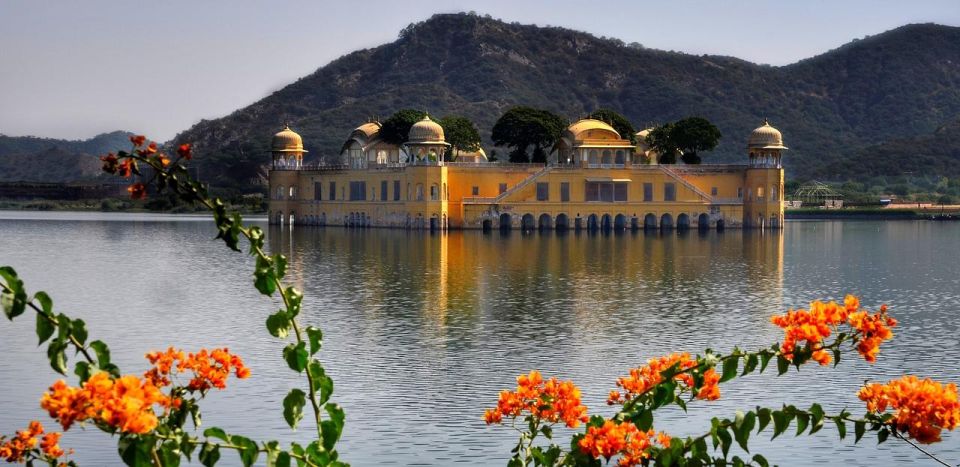
- Day 4 Jaipur big sights: Amber Fort, Jal Mahal, Monkey Temple
- Day 5 Delhi: Old Delhi rickshaw ride and New Delhi monuments
- Why the private guides matter on this route
- Rooms, comfort, and the realistic stuff to plan for
- Should you book the Private 5 Days Golden Triangle Guided Tour?
- FAQ
- Is pickup included in this Golden Triangle tour?
- Are entrance fees included in the price?
- What about meals during the tour?
- Is the Taj Mahal visit included, and are there closure days?
- What happens on Mondays in Delhi?
- What’s included for transport during sightseeing days?
- Will I have a guide at the sites?
- How are hotel rooms handled for groups?
Key points you’ll care about
- Private guide at every main stop, so you’re not wandering monument-to-monument guessing what matters
- Taj Mahal logistics included, including battery bus to reduce the walk and help you get to the best viewing time
- Skip-the-line style handling, which matters at peak hours for Taj Mahal and major forts
- Comfort-focused private transport with different vehicle sizes depending on group size
- Old Delhi is handled smartly, with a rickshaw ride and guided walking areas
- Clear city flow, with Fatehpur Sikri as a real stop between Agra and Jaipur
Price and logistics: what $104 really covers
The listed price is $104 per person for a full private 5-day circuit, plus 4 nights in a hotel and daily breakfast. That’s the headline value. What makes it feel fair is that you’re paying for (1) private transport, (2) a private guide at sites, and (3) key on-the-ground help like pickup/drop-off and water during drives.
The catch is simple math. Entrance fees are not included and run about $80 per person for the monuments listed in the route. Lunch and dinner also aren’t included, so your real budget should assume extra daily meals. If you’re comparing to DIY, private guides plus vehicle time often cost more once you add your own planning stress.
The other practical piece: this is private, but your ride size depends on headcount. For 1–2 people it’s a 4-seater sedan, for 3–4 it’s a 6-seater SUV, and for 5–10 it’s a 10-seater minivan. That matters because comfort on 5-day routes can make or break your energy.
You can also read our reviews of more guided tours in Jaipur



Day 1: Delhi pickup, drive to Agra, and Taj Mahal timing
Your tour begins with pickup from several Delhi-area spots like Aerocity, Noida, Greater Noida, Gurugram, and more, plus airport pickup at Terminal 3 Arrivals (Gate 4). Then you drive to Agra, about a 3-hour highway run.
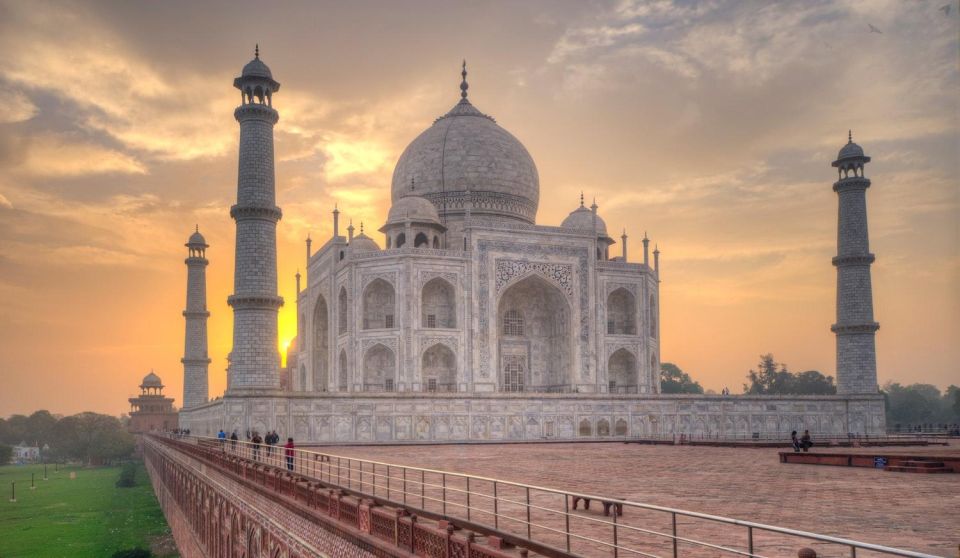
Agra is where the schedule turns dramatic. After you check in, you go straight to the Taj Mahal. You’re not just “watching a building.” You get help understanding it, and you also benefit from practical handling: skip-the-ticket line and a battery bus ride from the parking area closer to the monument. That may sound small, but it saves time and keeps your legs intact for photos, walking, and waiting for good light.
What I especially like about this day is the pacing. Taj Mahal is famously busy, and a guided visit helps you avoid the common mistake: only taking photos and missing the story of symmetry, scale, and the garden layout. After that, you move to Agra Fort.
The day closes with Mehtab Bagh for a rare sunset view across the area. Even if you’re not a sunset person, this is a good reality check: Taj Mahal doesn’t always look the same depending on time and sky. The plan gives you a second chance to see it differently before you call it a night.
Agra Fort and Baby Taj: the work behind the wow

Agra Fort is the monument that often gets overlooked because Taj Mahal steals all the attention. That’s exactly why this tour is smart to include it. You get a guided visit and it’s paired with time for scenic views on the way (about an hour allotted in the plan).
Agra Fort is more than walls and courtyards. You’re looking at a fortress that connects power, defense, and the lived reality of rulers. With a guide, it becomes easier to understand why this place mattered beyond being “near the Taj.”
Then there’s Baby Taj. It’s shorter on time (about 30 minutes), but that’s also the point. It’s a manageable stop that adds texture to your Mughal day without stretching the schedule. If you like monuments that feel quieter and a bit more intimate than the headline sites, this is a nice counterbalance.
Day 2: Fatehpur Sikri stop that breaks up the drive

After breakfast, you check out and drive from Agra to Jaipur, with a major stop along the way: Fatehpur Sikri, a UNESCO site. The plan gives about an hour there, plus enough structure to see the important landmarks without turning it into a sprint.
You’ll pass through the red sandstone complex, including Buland Darwaza Gate and the nearby marble tomb of Salim Chishti. You’ll also see notable halls and architecture features such as the Diwan-E-Khas Hall and areas like Jodha Bai’s Palace and the Panch Mahal.
Why this stop is valuable: the Golden Triangle is often marketed like three cities only. Fatehpur Sikri shows you a different layer of Mughal ambition, and it also helps you break up the mental fatigue of driving. Even with just one hour, the guide-led route gives you enough orientation to make the site click.
Once you reach Jaipur, you check in and get an overnight stay so you start sightseeing with some rest rather than immediately rushing out.
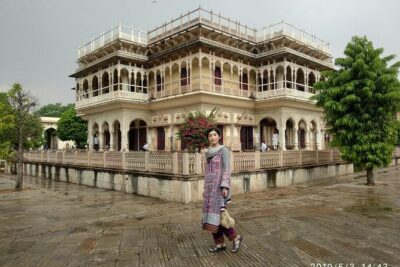
Day 3 Jaipur core: City Palace, Jantar Mantar, and Hawa Mahal
Jaipur sightseeing is arranged as a core day with the major “postcard” names plus one that people usually skip: Jantar Mantar.
You’ll see:
- City Palace
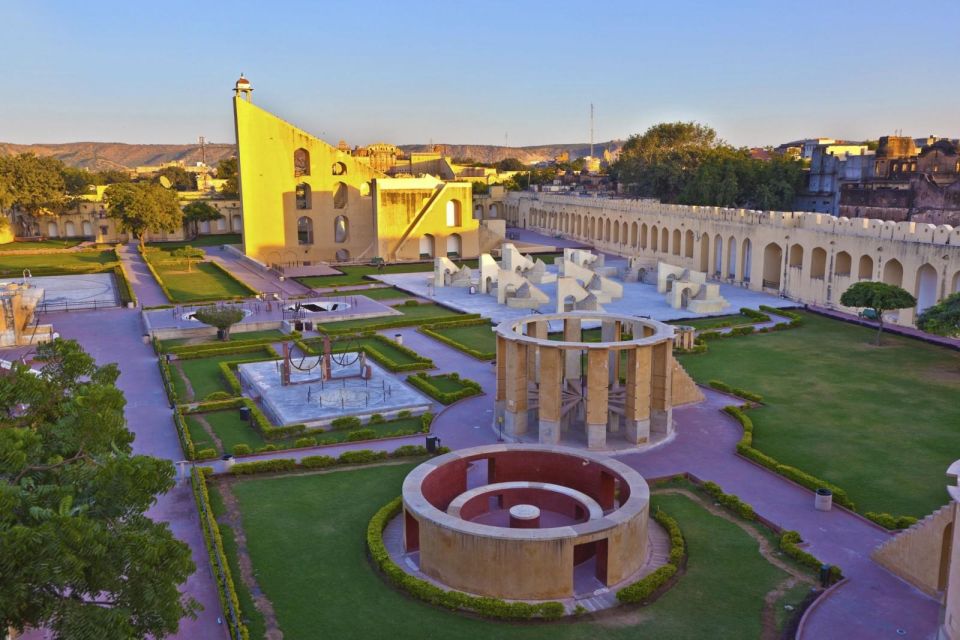
- Jantar Mantar
- Hawa Mahal (Wind Palace)
This is a good mix because it doesn’t only hit palaces and forts. Jantar Mantar is built around measurement and astronomy, so it rewards a guide. Without that context, it can feel like strange stonework. With it, you start noticing how the instruments were used and why they’re arranged the way they are.
Hawa Mahal is the dramatic façade stop. The view concept matters here, and a guide helps you understand what the windows were for and how the building functioned in daily life. If your Jaipur goal is photos plus meaning, this day does both.
Then you return to the hotel for the night, which is smart. Jaipur can be sun-heavy and tiring. Rest time helps you enjoy the next day’s bigger fort experience.
You can also read our reviews of more private tours in Jaipur




Day 4 Jaipur big sights: Amber Fort, Jal Mahal, Monkey Temple
This day is where you shift from Jaipur’s center to its iconic fort and lakeside scenery.
You start with Amber Fort, allotted about 45 minutes for visiting and a guided feel. Amber Fort is a “read it with a guide” kind of place. It’s not only about architecture. It’s about how power displayed itself through design, layout, and decorative detail. If you’ve ever wondered why Rajasthan forts look so theatrical, this is the day that answers it.
The route also includes Jal Mahal, the water-side palace view. Even if you only catch it from the right angle for photos, it adds a different visual tone than fort walls and palace courtyards.
The plan also includes time for the Monkey Temple. That gives you a more local, less royal-energy stop. You’re not just looking at royalty here; you’re sharing space with how people live near these temples.
After lunch and sightseeing, you drive back to Delhi and check in for the night. That means you finish Jaipur with full daylight and still get a Delhi hotel overnight before your final day.
Day 5 Delhi: Old Delhi rickshaw ride and New Delhi monuments
The last day is split in a useful way: Old Delhi first, then New Delhi.
In Old Delhi you’ll visit and/or pass by major stops like Jama Masjid, Chandni Chowk, and the Red Fort area. You also get a rickshaw ride through Old Delhi as part of the experience, which is one of those practical add-ons that turns the walking route into a memory. The rickshaw doesn’t replace seeing things; it gives you a faster way to experience the street rhythm.
Then you shift to New Delhi with monuments such as:
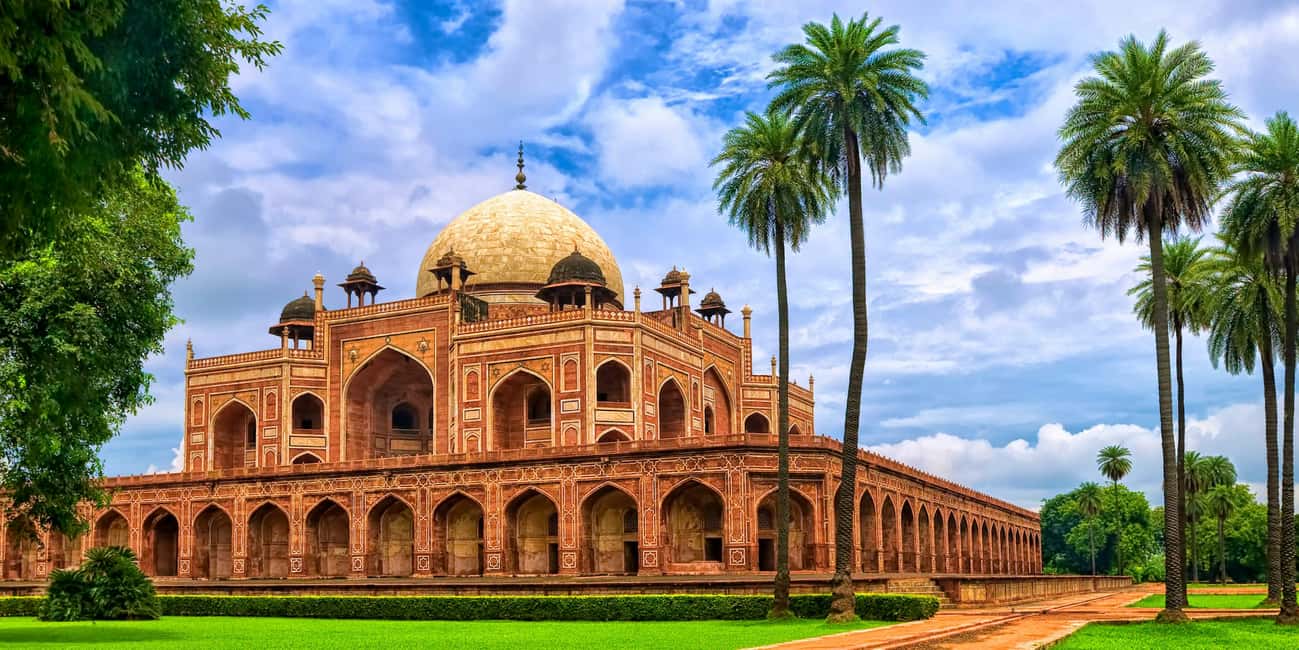
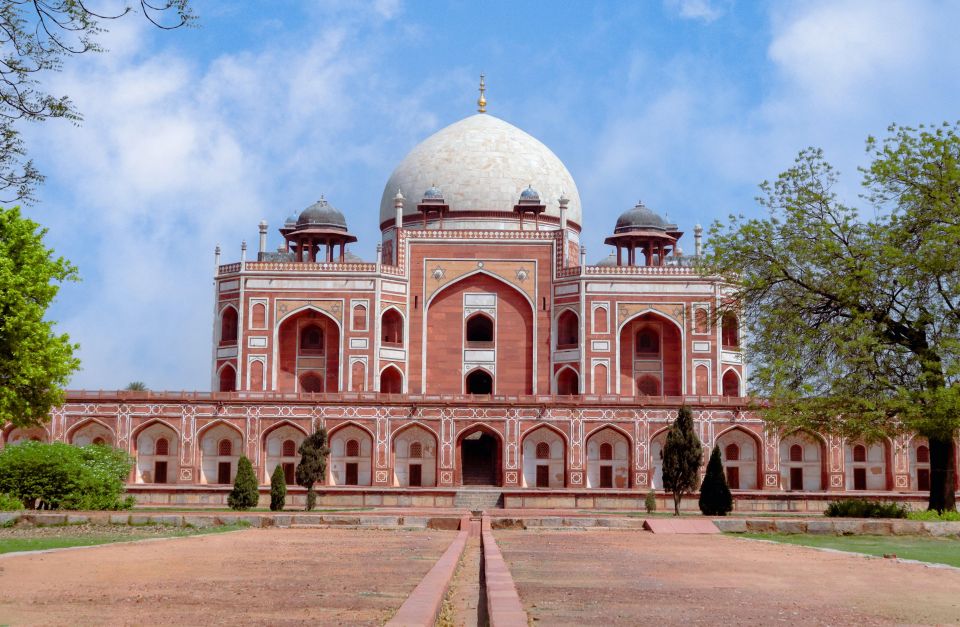
- Humayun’s Tomb
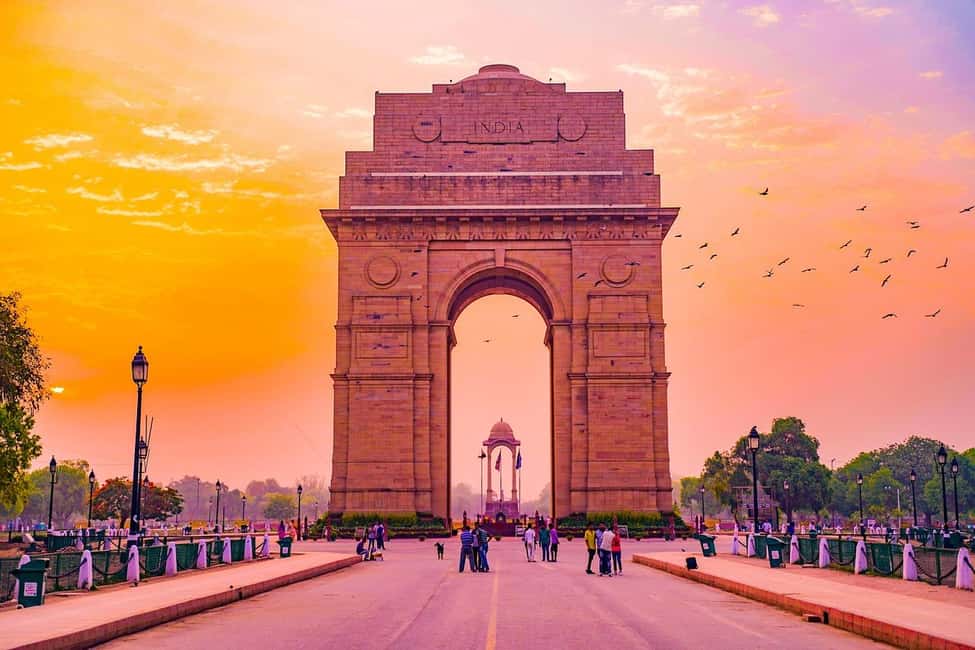
- India Gate
- Parliament House (scenic view/pass-by)
- Qutb Minar (pass-by/scenic views time is included)
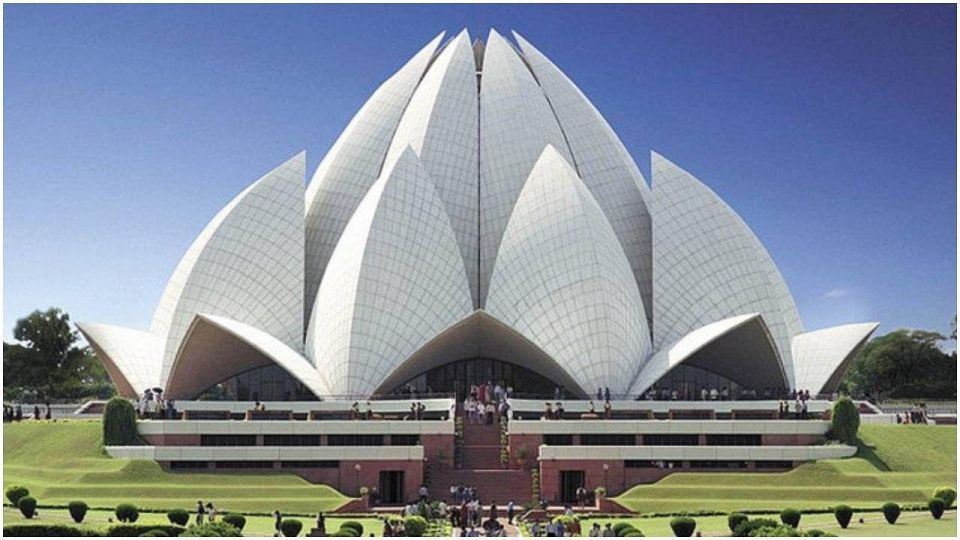
- Lotus Temple (guided visit)
One nice detail: Qutb Minar and Humayun’s Tomb both represent different chapters of Delhi’s architectural story. With a guide, you can compare styles instead of treating each site like a disconnected stop.
In the evening, the tour ends with transfer to New Delhi Airport, New Delhi Railway Station, or your hotel in Delhi.
Why the private guides matter on this route

This itinerary is packed, and when you’re crisscrossing three cities, you need someone to help you make sense of what you’re seeing fast. That’s where the private guiding shines.
From the types of guides documented in completed bookings, you’ll see patterns: guides like Shamim in Delhi, Farhan in Agra, and Soni in Jaipur were praised for connecting the dots and turning monuments into stories you can actually repeat later. In Delhi, names like Kabeer, Aamir, and Danish show up with the same theme: explanations that make each stop feel ordered, not chaotic.
Drivers also get real credit in these reviews. Names like Rahul, Amar, Ramesh, and humor-filled guidance from guides such as Inder show a common benefit: the transport is part of the experience. When you’re in a car for hours across big cities, a skilled driver changes your energy level.
You’ll also get multilingual guide options (English, French, Russian, German, Spanish, Hindi, Japanese, Italian). That’s not a small thing if you want to ask questions and actually understand details as you go.
Rooms, comfort, and the realistic stuff to plan for
Hotels and rooms are included, but the room setup is worth knowing before you book. Rooms are generally twin-sharing. For bookings of 3 people, it defaults to triple-sharing unless you want 2 rooms, which can require an additional cash charge depending on the travel month. If you’re traveling as a small group and care about space, ask early how your room plan will work.
Also, the tour isn’t suitable for pregnant women according to the tour info. That’s not about judgment; it’s about how the days are structured with walking and moving through major sites.
Closure notes matter because Delhi–Agra–Jaipur schedules are tight. Taj Mahal is closed every Friday, so your visit day will shift. Red Fort and Lotus Temple remain closed on Mondays, and the plan replaces that day with Gurudwara Bangla Sahib.
Then there are the seasonal add-ons: a mandatory Gala Dinner applies during New Year’s Eve and Christmas days with extra charges from 24th December to 04th January. If your travel dates fall within that window, budget for the add-on.
What to bring is straightforward and practical: comfortable shoes, sunglasses, a sun hat, sunscreen, and either passport or ID card. Bring cash too, since the plan mentions cash payments for some extras.
Should you book the Private 5 Days Golden Triangle Guided Tour?
Book it if you want an efficient route with private guides, covered logistics, and no guesswork. The value at $104 per person becomes stronger when you factor in the private transport, the guided stops across Delhi/Agra/Jaipur, and included basics like hotel stays, breakfast, and water during drives. If you don’t want to wrestle with ticket lines, pickup timing, and daily planning, this is built for that.
Skip it or adjust expectations if you want a slow pace or very flexible sightseeing. This itinerary is structured and site-heavy. Also, plan your budget with entrance fees (~$80 per person) and lunch/dinner. And if your dates land on a Monday or Friday, take the closures into account so the replacement stops make sense to you.
If you’re the type who likes your photos and your context, this tour gives you both, and it does it with less friction than trying to DIY the Golden Triangle.
FAQ
Is pickup included in this Golden Triangle tour?
Yes. You can be picked up from multiple Delhi-area locations including your hotel, plus pickup at Delhi Airport (Terminal 3 Arrivals, Gate 4). Drop-off is also included at select locations such as Delhi, Aerocity, Noida, Gurugram, and others.
Are entrance fees included in the price?
No. Entrance fees are not included and are listed as approximately $80 per person for the monuments mentioned in the itinerary.
What about meals during the tour?
Breakfast is included daily. Lunch and dinner are not included.
Is the Taj Mahal visit included, and are there closure days?
Yes, the Taj Mahal visit is part of the schedule. The Taj Mahal remains closed every Friday, so your route day will account for that.
What happens on Mondays in Delhi?
Red Fort and Lotus Temple remain closed on Mondays. On those days, the plan includes a visit to Gurudwara Bangla Sahib instead.
What’s included for transport during sightseeing days?
You get transportation by a private air-conditioned vehicle, with vehicle size based on group size. The tour also includes fuel surcharge and water during journeys.
Will I have a guide at the sites?
Yes. The tour includes a live private guide at the sites, and the guide language options include English, French, Russian, German, Spanish, Hindi, Japanese, and Italian.
How are hotel rooms handled for groups?
Rooms are generally provided on a twin-sharing basis. For a booking of 3 people, rooms are provided on triple-sharing basis by default. If 3 guests want 2 rooms, there can be an additional cash charge depending on travel dates (April–September vs October–March).