REVIEW · JAIPUR
Private Day Trip to Ajmer and Pushkar from Jaipur
Book on Viator →Operated by Rajasthan Incredible Tours · Bookable on Viator
Ajmer and Pushkar in one long day feels like a mini-world tour. You get a private door-to-door ride from Jaipur and a route built around major sacred sites, so you’re not stuck guessing where to go next. I like that it’s paced for your day, not a rushed checklist.
Two things I really appreciate here: the A/C private vehicle and chauffeur-driven comfort for the full stretch, and the fact that your stops include local temple areas with help on-site when you need it. That combination tends to make the day feel smooth and safe.
One consideration: Pushkar and nearby shrines can come with strong donation requests, and the Shree Savitri Mata Mandir involves a 650-step climb. If you’re sensitive to crowds at religious sites or want an easy day, plan your timing and clothing carefully.
In This Review
- Quick hits before you go
- Ajmer and Pushkar from Jaipur: why this route works
- Pickup, A/C comfort, and the drivers who shape the whole day
- Ajmer Sharif Dargah: starting with the sufi heart of Ajmer
- What you should know before you go in
- Brahma Temple: a rare stop dedicated to Brahma
- How to make the hour count
- Pushkar Lake and ghats: pilgrimage views in everyday life
- The realistic expectation
- Shree Savitri Mata Mandir: 650 steps, best at sunrise
- How to plan the climb
- Temple etiquette reminder
- Price and logistics: what your $84 is really buying
- What “private tour” means on the ground
- Clothing, shoes, and the rules that save time
- Watch-outs: donations, crowds, and rare coordination problems
- Best for who: matching your travel style to this day trip
- Should you book this Ajmer and Pushkar day trip?
- FAQ
- What’s the duration of the Ajmer and Pushkar day trip from Jaipur?
- Do I get pickup and drop in Jaipur?
- Is this a private tour?
- Is an A/C vehicle provided?
- What stops are included during the day?
- Are temple admission tickets included?
- What should I wear for the temples?
- Are there walking steps involved?
- What’s included in the price?
- Can I cancel for a refund?
Quick hits before you go
- Door-to-door pickup and drop from your Jaipur hotel/airport/railway station area
- A/C private car with fuel, parking, tolls, and bottled water included
- Ajmer Sharif Dargah stop with admission listed as free and time to take it in
- Brahma Temple visit focused on the world’s one temple dedicated to Brahma
- Pushkar Lake + ghats built around pilgrimage energy and waterfront views
- Shree Savitri Mata Mandir for a sunrise-friendly hike up 650 steps
Ajmer and Pushkar from Jaipur: why this route works
A day trip like this makes sense if you want spiritual “anchor points” without spending the night away from Jaipur. The itinerary is structured around the moments people usually travel for: the sufi shrine in Ajmer, a rare Hindu temple connection in town, and then Pushkar’s lake-area pilgrimage route.
This is also a good format if you value control. With a private setup, you can linger when you want to, step back when you don’t, and keep the pace that matches your energy. The duration is listed as about 10 to 12 hours, so think of it as a full day of sightseeing rather than a quick dash.
One more practical note: the transfer times are approximate and traffic-dependent. On a day that long, even small delays can reshape your timing, so sunrise plans (more on that below) are best treated as a target, not a guarantee.
You can also read our reviews of more private tours in Jaipur



Pickup, A/C comfort, and the drivers who shape the whole day
Transportation is where day trips win or lose, and this one is designed to remove friction. You get hotel/airport/railway station pickup and drop, plus a chauffeur-driven A/C private vehicle. Fuel, parking charges, and tolls are covered, and you’ll get bottled water.
That matters because Ajmer and Pushkar are not the kind of places where you want to improvise logistics. You’re mixing temple etiquette, crowd flow, and travel time. The driver is the glue that keeps your day coherent.
The people behind the wheel can make a noticeable difference. In past experiences shared with the tour company, drivers were described as careful with safety and willing to explain what you’re seeing—Shakil, Vinod, Imran, and Nizam and Sadiq were all named in different accounts. One solo traveler felt especially reassured because the driver and local guides coordinated support at each stop.
Still, here’s the fair warning: one unhappy experience described a situation where the driver acted more like a drop-off than a guide and left the group to manage directions. That’s not the norm you want. My advice is simple: before you head out, confirm exactly where you’ll meet again at each site, and ask how local guidance will work at the temples.
Ajmer Sharif Dargah: starting with the sufi heart of Ajmer
Your day kicks off with a drive from Jaipur to Ajmer, then a focused stop at Ajmer Sharif Dargah. The admission is listed as free, and the stop is about 30 minutes.
Even with limited time, this can set the tone for the whole day. It’s a sufi shrine tied to the religious legacy of the saint Moinuddin (the itinerary text names the saint, though the full spelling is truncated). Expect strong devotional atmosphere, people moving with purpose, and an experience that’s less about sightseeing and more about being present.
What you should know before you go in
Religious sites here come with rules. Shoes must be removed, and you’ll want knees and shoulders covered. Short shorts and sleeveless tops aren’t recommended. Plan to carry something light for shoulders if that’s an issue for you.
Because your stop is short, wear shoes you can remove quickly (and bring them on-site without fuss). You’ll move faster, and you’ll enjoy it more.
Brahma Temple: a rare stop dedicated to Brahma
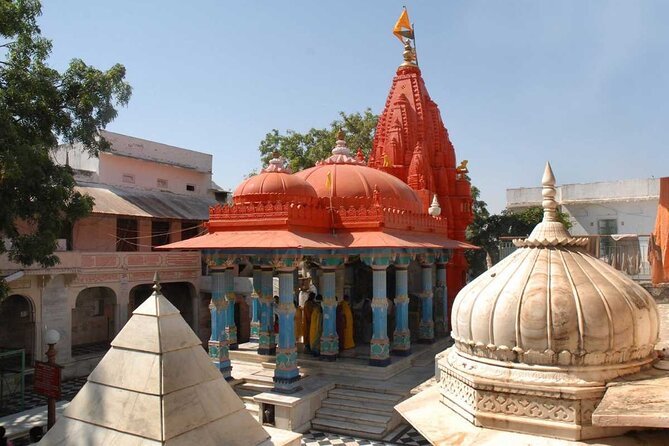
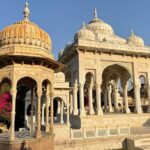
Next up is the Brahma Temple. The itinerary calls it the one and only temple in the world dedicated to Brahma, the creator in Hindu mythology. You get about an hour here, and admission is not included.
Why this works as a day-trip stop: it’s specific. Many trips from Jaipur include forts and palaces. This one swaps in a temple that many people actively seek out because it’s unusual—a Brahma-focused site in only one key location.
You can also read our reviews of more tours and experiences in Jaipur





How to make the hour count
Bring your attention. This is not a place where time is about ticking boxes. You’ll likely spend time looking at the temple area and the flow of devotees. Keep your attire compliant—again, knees and shoulders covered, and shoes off where required.
If you’re sensitive to how quickly crowds move, you might want to position yourself near the side edges of the activity rather than forcing your way into the busiest center.
Pushkar Lake and ghats: pilgrimage views in everyday life
Then you move into Pushkar and the Pushkar Lake area. The stop is about an hour, and admission is not included.
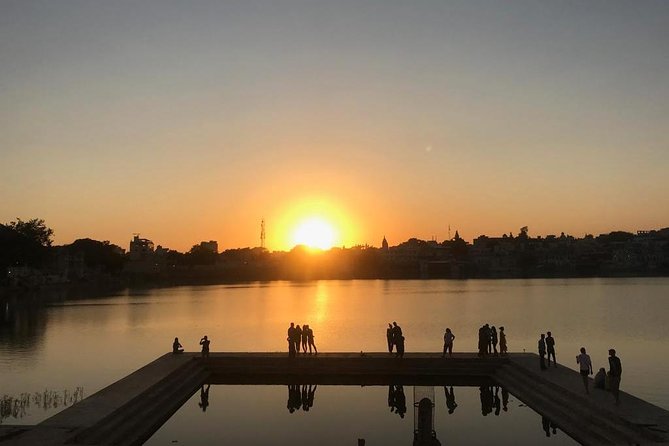
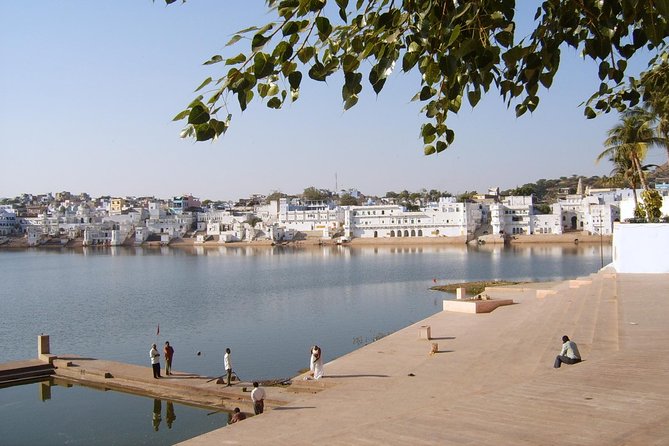
Pushkar Lake is one of the most prominent pilgrimage spots in the region. The lake is surrounded by temples and ghats—steps and bathing areas where people gather for ritual purposes. Even if you’re not there to participate in the ceremonies, the lakefront gives you a clear sense of why Pushkar is famous.
The realistic expectation
This is a place where devotion and daily movement overlap. You’ll see people arriving, praying, washing, and talking, while visitors try to photograph and wander. If you want quiet, go with the flow and pick your moments. If you want atmosphere, you’ll get it.
This is also where your “comfortable walking shoes” plan pays off. A little bit of walking is expected throughout the day, and Pushkar’s lake-area movement can add up.
Shree Savitri Mata Mandir: 650 steps, best at sunrise
The final major stop is Shree Savitri Mata Mandir, dedicated to Brahma’s wife in the local tradition. The temple sits at a climb of 650 steps, and you get about an hour.
The upside is the reward: once you reach the top, the view of the city and lake is described as second to no other. The itinerary even suggests going at sunrise for the best moment.
How to plan the climb
This is the most physically demanding part of the day. The tour notes moderate walking and recommends comfortable walking shoes. If you’re traveling with knee issues or you’re not used to stairs, think twice or consider adjusting your pace.
Also keep an eye on the sun-and-timing reality. Sunrise can be perfect in theory, but the day is already scheduled around multiple stops plus traffic. If you miss the strict sunrise window, the climb can still be worth it—just don’t expect perfect light every minute.
Temple etiquette reminder
Same rules apply here: shoes removed, covered shoulders and knees, and avoid sleeveless outfits and short shorts. Keep those basics in mind and you’ll spend less time negotiating entry and more time enjoying the view.
Price and logistics: what your $84 is really buying
At $84 for a private day trip, the value comes from what’s included in the “hard costs” side of the day: pickup and drop, an A/C private vehicle, chauffeur time, fuel, parking, and tolls, plus bottled water. That’s a lot you’d otherwise pay for if you tried to piece it together yourself.
What’s not included is also important for budgeting:
- Temple admission where listed as not included (like Brahma Temple, Pushkar Lake, Shree Savitri Mata Mandir)
- Tips/gratuities (recommended)
- Alcoholic drinks (available to purchase)
- Souvenir photos (available to purchase)
- Personal expenses, like snacks beyond what you might grab on the way
So for best budgeting, think of your payment as covering the transportation and coordination, while temple entry fees and on-the-go extras are on you. If you’re the type who likes structured plans and hates figuring out timing, this is a solid deal.
What “private tour” means on the ground
This is described as a private tour/activity, with only your group participating. That matters when you’re balancing religious etiquette, getting in and out of crowded areas, and choosing how long you want at each stop.
It also helps if you’re traveling solo. One solo traveler shared that the arrangement felt safe and that local guides supported the visits. Another person mentioned the driver took them toward good places to eat while keeping the schedule moving.
If you’re with a family, it’s also clearly stated that children must be accompanied by an adult. And it notes that most travelers can participate, as long as you’re okay with moderate walking and the stairs at the mandir.
Clothing, shoes, and the rules that save time
This itinerary has clear dress expectations for worship areas:
- Shoes must be removed
- Knees and shoulders must be covered
- Short shorts or sleeveless tops are not recommended
It’s easy to treat that as just “polite,” but on-site it becomes practical. You don’t want to lose a stop to finding a workaround mid-day. I suggest packing something simple for shoulders and knees, even if you feel warm in Jaipur.
Also bring a pair of shoes that work for both walking and quick removal. You’ll be happier stepping in and out of temple areas.
Watch-outs: donations, crowds, and rare coordination problems
Pushkar can be intense. One experience included a caution about priests trying to convince tourists to make donations even after showing religious rites. That doesn’t mean you have to participate in anything you don’t want to. But it does mean your mindset should be: stay respectful, set limits early, and don’t feel pressured.
For a smoother day, do three things:
- Agree on meeting points with your driver in advance
- Budget time even if a site runs busy
- Keep your energy up before the 650-step climb
And one more fair note: while the overall rating is high (4.7 from 26 reviews with 96% recommended), there was at least one negative account where the driver didn’t function like a full guide and the group had to manage directions themselves. If you want a guided feel, ask how the local guide support works at each stop before you leave.
Best for who: matching your travel style to this day trip
This tour style is best for you if:
- You want to avoid renting a car and dealing with driving between two busy religious towns
- You like a tight route with major highlights (instead of choosing randomly)
- You want private attention and a driver who can respond to your pace
- You’re okay with temple dress rules and moderate walking
It may be a rough fit if:
- You want a low-steps, low-crowd day
- You dislike donation solicitation in religious areas
- You’re traveling with limited mobility and can’t handle stairs
One more requirement to flag: the tour states that a current valid passport is required on the day of travel for all participants. It’s worth keeping it on your person (or at least accessible) rather than assuming it’s optional.
Should you book this Ajmer and Pushkar day trip?
If you want a structured day that connects Ajmer’s sufi shrine energy with Pushkar’s lake pilgrimage and a view from the Savitrí Mata steps, this is a strong choice. The biggest reason to book is the transportation and coordination value: private A/C car, door-to-door pickup/drop, and costs that would add up fast if you handled them alone.
I’d only think twice if the 650-step climb sounds stressful or if you know donation-pressure situations make you uncomfortable. For everyone else, this is one of those Jaipur day trips that feels meaningful because it’s built around real spiritual places, not just quick photo stops.
If you do book, pack for temple etiquette, wear shoes you can handle quickly, and be clear about meeting times—then you’ll get the best of Ajmer and Pushkar with far less hassle.
FAQ
What’s the duration of the Ajmer and Pushkar day trip from Jaipur?
The tour is listed as about 10 to 12 hours, depending on timing and traffic.
Do I get pickup and drop in Jaipur?
Yes. Pickup and drop are included from your hotel/airport/railway station area in Jaipur.
Is this a private tour?
Yes. It’s a private tour/activity, and only your group participates.
Is an A/C vehicle provided?
Yes. You’ll have a chauffeur-driven A/C private vehicle for sightseeing.
What stops are included during the day?
The main stops are Ajmer Sharif Dargah, Brahma Temple, Pushkar Lake, and Shree Savitri Mata Mandir (with a climb of 650 steps).
Are temple admission tickets included?
Not all admissions are included. Ajmer Sharif Dargah is listed as free, while admission for Brahma Temple, Pushkar Lake, and Shree Savitri Mata Mandir is not included.
What should I wear for the temples?
Shoes must be removed at places of worship, and knees and shoulders must be covered. Short shorts and sleeveless tops are not recommended.
Are there walking steps involved?
Yes. There is moderate walking, and Shree Savitri Mata Mandir involves climbing 650 steps.
What’s included in the price?
Included items are pickup/drop, the A/C private vehicle with chauffeur, fuel, parking charges, tolls, and bottled water.
Can I cancel for a refund?
Yes. You can cancel up to 24 hours in advance for a full refund. Less than 24 hours before the start time is not refundable.