REVIEW · JAIPUR
Jaipur Walking Tour- Explore Old Heritage City With Private Guide
Book on Viator →Operated by Abby & Scout Tours · Bookable on Viator
Jaipur’s back streets are the real show. This private walking route strings together temples, old havelis-area lanes, and craft markets so you can see how Jaipur trades, eats, and gets ready for weddings. You’ll follow an English-speaking local guide through the Pink City’s shopping streets, with stops that cost nothing and a couple of sights you can choose to enter if you want.
I especially like the balance: you get practical guidance and a smooth flow through working markets (not just photo stops), plus you’re offered bottled water and tea or coffee along the way. I also love the focus on crafts and everyday ingredients—things like Mawa/khoa (for sweets), silver work, and old-school utensil makers.
One consideration: street food and lunch aren’t included, and the two main attractions on the route are free only for roadside viewing—if you want inside, you’ll need to pay entry tickets. The walk also works best with a moderate fitness level, since you’ll be on your feet for a few hours.
In This Review
- Key Things You’ll Notice on This Jaipur Walk
- Why This Jaipur Walking Tour Feels Like the Real City
- The Route Starts at Kalki Temple (And Sets the Tone)
- Hawa Mahal Without Waiting: Roadside Views and Optional Entry
- Purohit Ji Ka Katla: Wedding Fabrics, Formal Wear, and a Hidden Market Feel
- Gopal Ji Ka Rasta: Where Mawa/khoa Shows Up in Your Sweet Planning
- Swargasuli Tower: The Victory Tower Look (Then Keep Walking)
- Choti Chopad: Temples, Silver Items, and the Flower-Spice Pairing
- Bhagat Mishthan Bhandar: A Sweet Taste That Anchors the Walk
- Maniharo Ka Rasta: Wedding-Costume Energy at Tripolia Bazaar’s Edge
- Thatheron Ki Gali: Utensil Makers and the Soundtrack of Metalwork
- Sai Baba Mandir: The Oldest Sai Baba Temple in Jaipur
- Golcha Cinema: The Tour Ends at an Old-School Movie Hall
- What’s Included in the Price (and What You’ll Still Pay)
- Timing Tips: Best Start Window and Sunday Reality Check
- Logistics That Matter: Meeting Point, Transit, and Footwear
- Who This Tour Fits Best (and Who Might Want a Different Plan)
- Should You Book This Jaipur Walking Tour?
- FAQ
- Is hotel pickup included?
- How long is the Jaipur walking tour?
- Are entry tickets included for the stops?
- What time should I start the tour?
- Are street food and lunch included?
- Is the tour good for kids?
Key Things You’ll Notice on This Jaipur Walk
- A private, English-speaking guide (including guides like Gaurav, praised for being enthusiastic and fun while sharing lots of information)
- Free entry for most stops, with only Hawa Mahal and Swargasuli Tower potentially requiring tickets for inside visits
- Craft streets you can actually watch, including silver items and traditional utensil-making lanes
- Wedding-clothing shopping streets, where you’ll see fabrics and formal wear themes concentrated in one area
- A sweet stop built into the route at Bhagat Mishthan Bhandar for locally made sweets you can taste
Why This Jaipur Walking Tour Feels Like the Real City
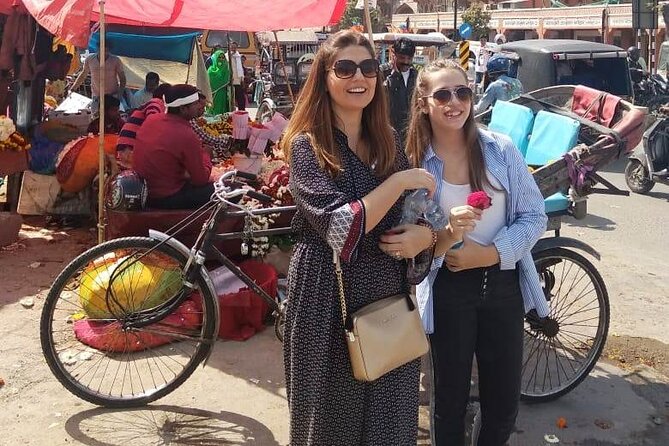
This tour is built for people who want more than the usual grand-monument circuit. You get temples and iconic landmarks, sure—but the bigger value is how the route keeps sliding into the streets where Jaipur’s daily life and old trades still run strong.
At about 3 to 4 hours, it’s long enough to feel like a mini-adventure, but not so long that you’ll hate your feet by the second hour. And because it’s a private tour, you can move at a pace that fits your group without getting rushed by a large crowd.
The price also matters here. At around $20.17 per person (with GST included), you’re paying for a private guide plus comfort basics like bottled water and tea/coffee—while most stops on the route are admission-free.
You can also read our reviews of more walking tours in Jaipur



The Route Starts at Kalki Temple (And Sets the Tone)
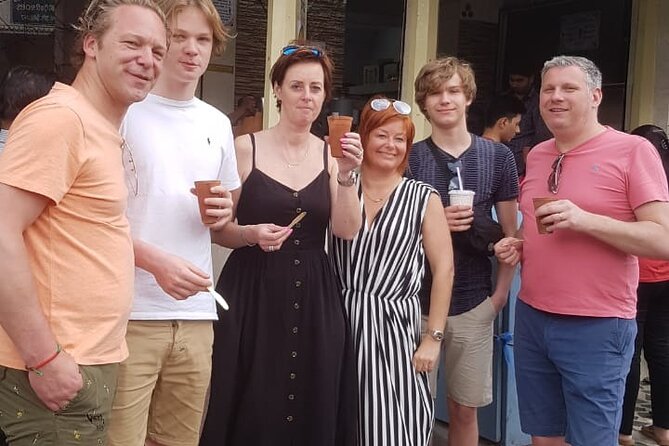
You begin at Kalki Temple, where the walk kicks off with a short stop and a free admission. It’s a quick orientation moment that helps you shift from sightseeing mode to “this is a working neighborhood” mode.
Even if you’re not a temple-enthusiast, this stop does something useful: it gives context for why you’ll keep seeing faith, daily routine, and commerce mixed together in the Old City.
Hawa Mahal Without Waiting: Roadside Views and Optional Entry
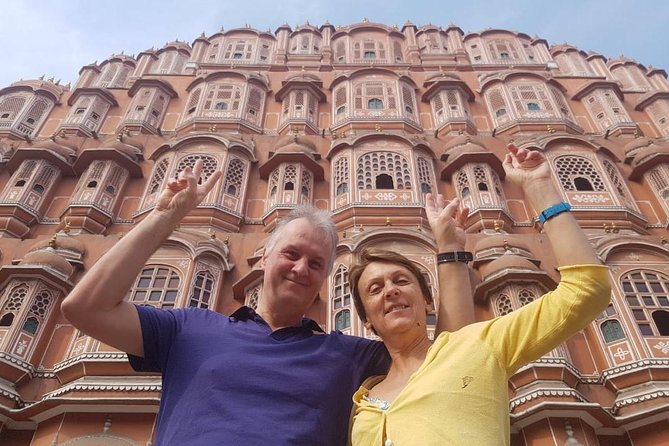
Next up is Hawa Mahal, the Palace of Wind. On this route, you’re given a roadside vantage point with free viewing time, which is handy because it keeps the tour moving.
If you want to go inside, that’s possible—but it’s not automatic. You’ll need an entry ticket, and the tour notes entry closes about an hour before sunset, so timing matters if you’re planning to tack this on later in the day.
Practical tip: if your goal is photos, the roadside stop may already be enough. If your goal is interior details, plan your day so you’re not gambling with closing time.
Purohit Ji Ka Katla: Wedding Fabrics, Formal Wear, and a Hidden Market Feel
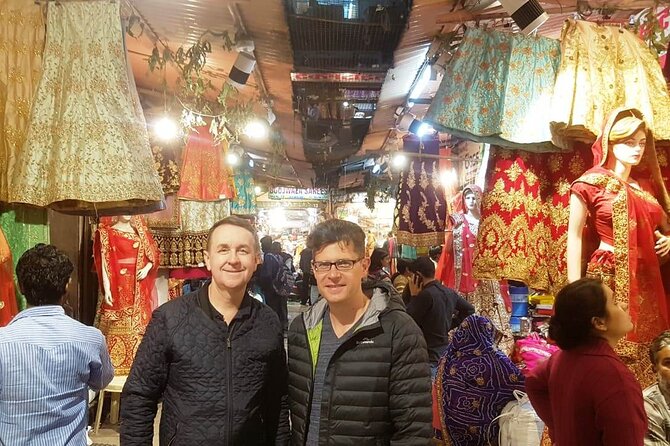
One of the more fun parts of the itinerary is the market stop called Jai Mata Di Paridhan at Purohit Ji Ka Katla. This is where you’ll see wedding fabrics and formal clothing—dresses, sherwanis, and the kind of specialty items that get made for big events.
This section can feel slightly confusing at first because the approach and entry points aren’t the smooth, obvious kind of shopping mall setup. But that’s part of the charm: you’re stepping into a concentrated pocket of real trade, not a curated storefront strip.
If you enjoy shopping for color, stitching, and costume details, this stop is a good fit. Even if you don’t buy, it’s a strong window into how Jaipur gears up for weddings and celebrations.
Gopal Ji Ka Rasta: Where Mawa/khoa Shows Up in Your Sweet Planning
At Gopal Ji Ka Rasta, the theme shifts to food ingredients. This market area is known for making Mawa, also called khoya or khoa—dried evaporated milk solids used heavily in northern Indian sweets.
Why this is worth including: you’ll understand the “why” behind what you’re tasting later. Instead of treating sweets as a random treat, you’re connecting them to an ingredient market that powers local recipes.
If you’re even a little curious about food culture, this is one of those stops that turns a snack into a story. And if you’re not a food person, you’ll still appreciate the craft-and-commerce energy in a specialty lane.
You can also read our reviews of more guided tours in Jaipur





Swargasuli Tower: The Victory Tower Look (Then Keep Walking)
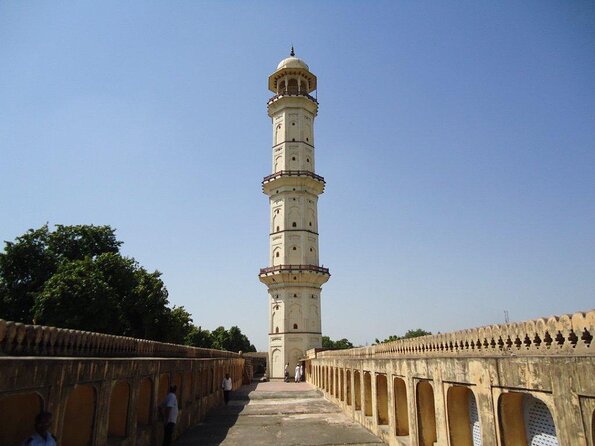
Swargasuli Tower is the kind of stop that makes you pause even if you’re not trying to. It’s an 18th-century minaret often nicknamed the Victory Tower, and you’ll see it from a scenic roadside vantage point during a short stop.
As with Hawa Mahal, inside entry isn’t the default here—you’ll have the option to go in, but tickets apply if you want that experience. Entry closes about an hour before sunset, so again, don’t leave it to the very end of your afternoon.
This stop works well because it gives you a landmark moment without turning the tour into a museum day. You get the scale and the silhouette, then the walk continues into the artisan streets.
Choti Chopad: Temples, Silver Items, and the Flower-Spice Pairing
Choti Chopad is where the itinerary becomes a proper Old City sampler. You’ll get time near a very ancient temple, plus shops selling silver-made items.
You’ll also be in the zone where flower and spice markets show up close together. That pairing is practical to see in person because it reflects how people actually prepare for daily life—religious offerings, food flavors, and household needs all exist side by side.
One small consideration: market areas mean you’ll be moving through crowds of shoppers and sellers. If you prefer quiet sightseeing, this won’t be your calmest hour, but it will be your most “alive” hour.
Bhagat Mishthan Bhandar: A Sweet Taste That Anchors the Walk
The tour includes a stop at Bhagat Mishthan Bhandar, described as a famed sweets shop. You’ll get time specifically to taste locally made sweets.
This is smart planning. Markets can be overwhelming, and a food pause gives you a break that doesn’t break the flow of the itinerary. It also lets you compare flavors you might not spot elsewhere.
Just note: street food and lunch charges aren’t included. So your best bet is to treat this sweets stop as part of the tour rhythm, while keeping extra snacks optional based on your tastes.
Maniharo Ka Rasta: Wedding-Costume Energy at Tripolia Bazaar’s Edge
Maniharo Ka Rasta sits near Tripolia Bazaar, and it’s described as a street that still feels regal from the past. The focus here is wedding costumes and formal wear, making it a natural follow-up to the earlier wedding fabric stop.
If you like visual variety—colors, embroidery styles, headpieces, and special-occasion outfits—this is a strong segment. Even if you just browse, you’ll notice how certain shops and lanes concentrate particular types of items.
Thatheron Ki Gali: Utensil Makers and the Soundtrack of Metalwork
At Thatheron ka rasta (Thatheron ki Gali), the itinerary shifts into traditional tool-and-utensil making. You’ll hear the rhythmic clangs and clinks of metal as skilled makers work.
This is one of the stops that helps the whole tour feel grounded. Instead of only seeing finished products, you’re in the environment where the craftsmanship happens. And since Jaipur has long-standing metalworking trades, the street scene gives you a real sense of continuity.
Practical tip: if you’re taking photos, move carefully and ask before you point a camera into a shop space. In small artisan lanes, it’s often about respecting working areas, not just snapping pictures.
Sai Baba Mandir: The Oldest Sai Baba Temple in Jaipur
Next is Sai Baba Mandir, described as the oldest Sai Baba temple in Jaipur City. It’s a quieter stop in the middle of busy lanes, which makes it helpful as a breather.
Even when you’re not focused on religious architecture, a stop like this changes the tone of the walk. You’ll step into a more reflective space before heading back toward commerce-heavy streets.
Golcha Cinema: The Tour Ends at an Old-School Movie Hall
The final stop is Golcha Cinema, one of the oldest cinema halls in Jaipur. The tour ends here, and the operator says they’re happy to help you go inside if you want, but entry ticket rules apply.
This can be a good way to extend the evening without booking another major activity. If you’re the type who likes old institutions—places that locals still use—that cinema stop is a nice final note.
What’s Included in the Price (and What You’ll Still Pay)
For the tour price, you get:
- A private English-speaking local guide
- Bottled water plus tea or coffee
- GST included
- Free of cost for infants and children up to 17 years old
- A route where most stops have no admission ticket required
What’s not included:
- Pickup and drop-off from your hotel (available for an extra charge)
- Street food charge and lunch
- Tip for your tour guide
- Any emergency/medical costs (you’ll still want your own travel insurance)
Think of the included parts as your base experience: guide + comfort + an organized route through craft streets. Then treat any food spending, interior monument entries, and cinema ticket as optional add-ons you control.
Timing Tips: Best Start Window and Sunday Reality Check
The tour runs during hours tied to a typical start window from around 11:00 AM to 4:00 PM (daily). The markets in the old city often open by 10:30 AM or 11 AM, so starting later in that range usually keeps your route from feeling half-closed.
Sundays can be trickier. The notes say Sundays are generally less eventful because some shops and markets have limited hours or stay closed. If you have a choice, pick a weekday to get the full market energy.
Also remember: admission for Hawa Mahal and Swargasuli Tower closes about an hour before sunset. If you want interior visits, plan backwards from your afternoon schedule.
Logistics That Matter: Meeting Point, Transit, and Footwear
The meeting point is near public transportation, which helps if you’re not using the optional hotel pickup. You’ll also want to dress for walking in a busy urban area and bring comfortable shoes. The tour requests moderate physical fitness, since you’re on foot for a few hours.
If you’re sensitive to heat or want easier pacing, pick a start time closer to when shops open and stay hydrated. Bottled water is included, but you’ll still feel better if you don’t start too late.
Who This Tour Fits Best (and Who Might Want a Different Plan)
This tour is ideal if you:
- Want market streets and craft areas, not only monuments
- Like food culture and ingredient stories (Mawa/khoa connections)
- Enjoy browsing wedding costumes and fabrics
- Prefer a private guide who can adapt questions and pacing
It may feel less ideal if you:
- Want a strict “big sights only” itinerary with minimal walking through crowded lanes
- Don’t want optional ticket-based stops (since entry tickets apply if you choose inside visits)
- Are sensitive to Sunday closures and prefer guaranteed shop activity every day
Should You Book This Jaipur Walking Tour?
Yes—if you want an Old City walk that explains what you’re seeing through markets, crafts, and a smart sequence of stops. The private guide plus included water and tea/coffee makes the $20.17 price feel reasonable for a focused, half-day experience, especially when most stops are free entry.
Book it if your style is hands-on: fabrics, sweets, metalwork, and the side streets where locals shop. Skip it (or modify expectations) if you want a monument-heavy day where every stop is a major ticketed attraction—because here, the real value is the street-level life between landmarks.
FAQ
Is hotel pickup included?
No. Pickup and drop-off from your hotel are available for an additional charge.
How long is the Jaipur walking tour?
The tour lasts about 3 to 4 hours.
Are entry tickets included for the stops?
Most included stops have free admission. Hawa Mahal and Swargasuli Tower are free only for roadside viewing; if you want to go inside, you’ll need entry tickets.
What time should I start the tour?
The suggested start window is later than about 11:00 AM, since many old-city markets open by 10:30 AM or 11:00 AM. The tour runs roughly from 11:00 AM to 4:00 PM.
Are street food and lunch included?
No. Street food charges and lunch are not included.
Is the tour good for kids?
Infants and children up to 17 years of age are free of cost on this tour.