REVIEW · JAIPUR
Golden Triangle Tours
Book on Viator →Operated by Raj India Tours · Bookable on Viator
A six-day loop with big icons, not a blur. I like the private group setup and the way Raj India Tours leans on real in-country driving experience to keep the days on track. I also like the mix of free and ticketed monuments, which can help you budget without feeling like every stop costs extra. One thing to consider: several of the headline sites are marked as admission not included (including Taj Mahal and key forts), so you’ll want to set aside money for entry tickets in advance.
Raj Kumar Gupta runs this with a long background in Northern India and Rajasthan, and his team approach shows up in the small details. From the trip planning back-and-forth to the on-the-ground guiding, it’s built around making the itinerary feel personal rather than generic, with pickup options and a mobile ticket. The pace is full-day sightseeing in major hubs, so it’s not the choice if you want lots of downtime between monuments.
In This Review
- Key Points That Make This Golden Triangle Tour Work
- A Private Golden Triangle Loop With Raj India Tours
- Price and What You Actually Pay For in 6 Days
- Day 1 in Delhi: Start Soft With a Hotel Night
- Day 2 Delhi Sights: Qutub Minar, Humayun’s Tomb, and Jama Masjid
- Day 3 Agra Day: Taj Mahal + Agra Fort With Pick-Up Support
- Day 4 Fatehpur Sikri and Chand Baori’s Stepwell Geometry
- Day 5 Jaipur Highlights: Amber Fort, Jal Mahal, City Palace, and Jantar Mantar
- How the Pickup, Guides, and Mobile Tickets Help
- Comfort, Safety, and Who Should Skip This Tour
- Should You Book This Golden Triangle Tour From Jaipur?
- FAQ
- How long is the Golden Triangle tour?
- What does the tour cost?
- Is pickup available?
- Do I get mobile tickets?
- Is this a private tour?
- Is there a minimum number of travelers?
- Are monument tickets included in the price?
- What start time and meeting point are listed?
- What happens if weather is bad or I need to cancel?
Key Points That Make This Golden Triangle Tour Work
- Private tour feel: only your group participates, which helps with timing and questions
- English-speaking guides on key days: you’ll meet a guide for Delhi sights and get pick-up support for Agra and Jaipur
- Clear ticket pattern: some major spots are listed as admission free while others are not included
- Strong driving reputation: drivers named in past trips (like Sunda, Jitendra, and Arvind) were praised for safety and punctuality
- Good-fit structure for first-timers: Delhi + Agra + Jaipur in 6 days with the big hits, plus Fatehpur Sikri and Chand Baori
A Private Golden Triangle Loop With Raj India Tours
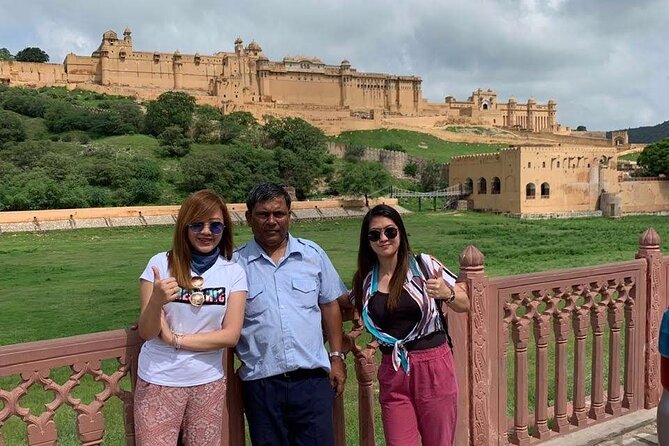
This is a classic Golden Triangle itinerary, but the value comes from how it’s delivered: private, group-only, and centered on reliable transport and guided explanations. You cover Delhi, Agra, and Jaipur, with Jaipur as the anchor city, plus a stop day for Fatehpur Sikri and Chand Baori.
The provider is Raj India Tours, run by Raj Kumar Gupta. In past trip notes, Raj is described as very responsive, easy to reach through WhatsApp, and flexible when a plan needs slight adjustment. That matters because Golden Triangle travel can get stressful when timing and ticket expectations aren’t aligned.
Also: the tour is explicitly not for everyone. It’s listed as not recommended for travelers with heart problems, so don’t take that lightly.
You can also read our reviews of more tours and experiences in Jaipur.



Price and What You Actually Pay For in 6 Days
The price is listed at $343 for about 6 days (approx.), and the value depends on how you handle monument admissions. Some stops are marked with admission ticket free, but plenty are not included. That means your real spending split is usually: tour cost + entry tickets for the big attractions.
Here’s the practical takeaway: you should budget for paid entries at sites like Qutub Minar, Taj Mahal, Agra Fort, Mehtab Bagh, Chand Baori, Amber Fort, City Palace, and Jantar Mantar. Meanwhile, you’ll see several listed as free, such as Lotus Temple, Jama Masjid, Fatehpur Sikri, and Jal Mahal.
So the tour isn’t “all-in” for every monument. But it can still be good value because you’re paying for orchestration—pickup handling, guide support on multiple days, and the logistics of moving between Delhi, Agra, and Jaipur without having to plan everything yourself.
Day 1 in Delhi: Start Soft With a Hotel Night
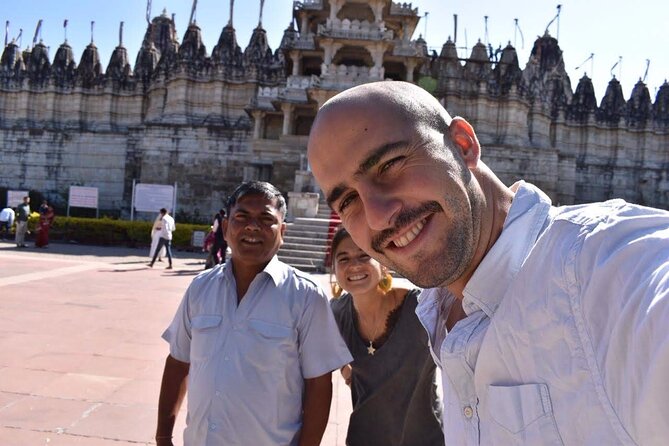
Day 1 keeps things simple: you’re in New Delhi and staying in a hotel for about 12 hours. There’s no admission ticket noted here, so this reads like a rest-and-arrival buffer day.
Why I like this setup for a Golden Triangle: it helps you absorb the time shift and energy drain of getting into India. If you’re arriving late, having Day 1 structured around a hotel stay can make the rest of the trip feel less rushed.
If you prefer an early start every day with no flexibility at all, this day will feel calm. But for most first-timers, it’s a smart way to reduce stress before the monument-heavy schedule begins.
Day 2 Delhi Sights: Qutub Minar, Humayun’s Tomb, and Jama Masjid
Day 2 is Delhi at its most iconic. You start with Qutub Minar, including time with an English-speaking guide, and the stop is set for about 30 minutes. Admission for Qutub Minar is listed as not included, so plan for that cost if you’re doing the full experience.
From there the itinerary strings together several major Mughal-era and city landmarks:
- Humayun’s Tomb (about 30 minutes): admission not included
- Red Fort (about 45 minutes): admission not included
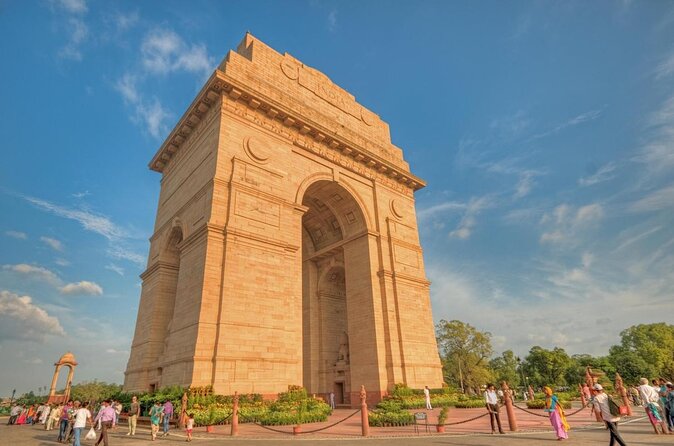
- Lotus Temple (about 30 minutes): admission free
- Jama Masjid (about 30 minutes): admission free
My practical take: Delhi monuments are spread across different neighborhoods, so the value here is not just seeing them—it’s seeing them in an order that keeps travel time reasonable. Also, the free entries at Lotus Temple and Jama Masjid are a nice rhythm change. You get big-scale architecture without stacking another ticket cost on the same day.
One more nuance: this day is “stop-based.” You won’t always have the luxury of wandering at museum pace, so if you love slow photography or long indoor galleries, you’ll want to use your guide’s context to decide what to spend extra time on.
Day 3 Agra Day: Taj Mahal + Agra Fort With Pick-Up Support
Day 3 is the Agra headline day. Taj Mahal is listed for about 2 hours, but admission is not included. The itinerary also notes that your guide will pick you up from the hotel and handle the city tour.
After Taj Mahal, you move to:
- Agra Fort (about 1 hour): admission not included
- Mehtab Bagh (about 30 minutes): admission not included
This is a solid structure because it balances the “you came for this” experience (Taj Mahal) with a second layer (Agra Fort) and an outside-view moment (Mehtab Bagh). Even when ticketed, the day is built so you’re not only spending time staring at one monument.
One consideration: because most entries here are not included, your budget planning needs to be ready before you go. If you show up thinking everything is covered, you’ll feel it later that day.
If you want the Taj Mahal experience to be meaningful, show up with some patience. This stop deserves your attention, not just your camera roll.






Day 4 Fatehpur Sikri and Chand Baori’s Stepwell Geometry
Day 4 takes you outside the big-city loop. Fatehpur Sikri is listed for about 2 hours, and admission is marked free in the tour data. This is a rare moment in the Golden Triangle where you get a different kind of atmosphere—more “time capsule” than city rush.
Then comes Chand Baori (Stepwell) near Abhaneri. The stop is about 30 minutes, and admission is listed as not included.
What I like about this day is that it breaks the standard Delhi-Agra-Jaipur rhythm. Stepwells can be surprisingly powerful to experience in person because they change how you understand space and water management. Even with a shorter time window, Chand Baori is the kind of stop that gives you a different India story than forts and palaces alone.
The drawback is simple: time is limited. If you’re the type who could spend hours in courtyard shadows or reading architectural details, you may want to plan for a quicker visit here than you’d like. But as part of a 6-day trip, the day is well targeted.
Day 5 Jaipur Highlights: Amber Fort, Jal Mahal, City Palace, and Jantar Mantar
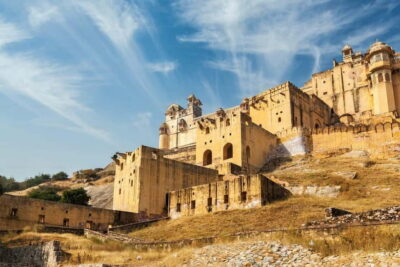
Jaipur is where this tour leans into Rajasthan’s signature scenery and storytelling. The day starts with Amber Fort for about 1 hour 30 minutes, and admission is not included.
Next you get a short visual break at Jal Mahal (about 10 minutes), and this one is listed as admission free. It’s a quick stop, but it’s also a good moment to reset your eyes after fort textures and street views.
Then the tour moves into Jaipur’s royal core:
- City Palace of Jaipur (about 1 hour 30 minutes): admission not included
- Jantar Mantar – Jaipur (about 30 minutes): admission not included
The itinerary also mentions Hawa Mahal as an additional stop, positioned along the City Palace edge. Even though it’s not given a time duration in the summary text, its placement matters because it frames the day’s architecture theme: ornate design, royal court identity, and the way the city was planned around power.
A smart point here: Jaipur’s monuments can feel “busy” visually, especially when the day includes Amber Fort plus palace buildings plus instruments for astronomy. I like how the tour spreads those experiences across different styles—fortifications, court residence, and scientific design—so you’re not repeating one type of sight.
One practical consideration: this is a long, active day. If you have mobility issues or you’re sensitive to walking in heat, you’ll want to take your guide’s advice on where to pause and what to skip.
How the Pickup, Guides, and Mobile Tickets Help
This tour includes pickup offered, and the tour data mentions mobile tickets. In real terms, that usually means you spend less time hunting for paperwork and more time showing up at the right place.
In past trip experiences connected with Raj India Tours, guides and drivers were praised for staying on schedule, staying safe while driving, and helping visitors feel comfortable. Names that came up include:
- Nikhileshh (guide) and Sunda (driver)
- Jitendra (driver)
- Himmat (driver)
- Arvind (driver)
Those details aren’t just feel-good names. They’re signals you’re dealing with a team that understands international visitor needs—especially English guidance and navigation.
Also, since this is a private tour, you can ask questions without fighting for time in a group. That matters at places like Taj Mahal or Jantar Mantar, where a little context makes the experience land better.
Comfort, Safety, and Who Should Skip This Tour
This is a structured sightseeing program, not a slow-café itinerary. The tour data notes that it’s not recommended for travelers with heart problems, so if that’s you, choose a different kind of trip with gentler pacing and fewer active stops.
The tour also requires good weather. Since Delhi, Agra, Jaipur, Fatehpur Sikri, and stepwell visits can all be impacted by rain or poor conditions, you should be ready for the possibility of a different date if the weather doesn’t cooperate.
On the positive side: the minimum is 2 Pax, and it’s private. That means you shouldn’t end up with a random crowd, and it can be easier to tailor your pace and photo stops to your comfort.
Should You Book This Golden Triangle Tour From Jaipur?
Book it if you want a straightforward Golden Triangle with real guiding, private transport support, and a schedule that hits the big markers: Delhi monuments, Taj Mahal, Agra Fort, Fatehpur Sikri, Chand Baori, and Jaipur’s Amber Fort plus the royal core.
I’d especially consider it if:
- you value English-speaking guide time on key Delhi stops
- you like the idea of a private group rather than a bus full of strangers
- you want help coordinating where to go each day
Skip it (or at least rethink your fit) if:
- you expect all monument admissions to be included (many are not)
- you need minimal walking and minimal driving time each day
- you have heart-related health concerns, since the tour is not recommended for that
If you’re the type who plans your entry-ticket budget ahead of time and enjoys a full agenda, this tour can be a very efficient way to see the Golden Triangle without turning your trip into a spreadsheet.
FAQ
How long is the Golden Triangle tour?
The tour is listed as 6 days (approx.).
What does the tour cost?
The price is listed as $343.
Is pickup available?
Yes. The tour data states that pickup is offered.
Do I get mobile tickets?
Yes, the tour includes mobile ticket.
Is this a private tour?
Yes. It’s described as a private tour/activity, and only your group participates.
Is there a minimum number of travelers?
Yes. At least 2 Pax are required to book.
Are monument tickets included in the price?
It depends on the stop. Some attractions are listed as admission ticket free (like Lotus Temple, Jama Masjid, Fatehpur Sikri, and Jal Mahal), while others are listed as not included (like Qutub Minar, Taj Mahal, Agra Fort, Amber Fort, and others).
What start time and meeting point are listed?
The meeting start time is listed as 12:00 am, and the meeting point is described as near public transportation.
What happens if weather is bad or I need to cancel?
The tour requires good weather. If it’s canceled due to poor weather, you’ll be offered a different date or a full refund. You can cancel up to 3 days in advance for a full refund.