REVIEW · JAIPUR
Ultimate Jaipur Tuk Tuk Tour with Pickup
Book on Viator →Operated by Rajasthan Incredible Tours · Bookable on Viator
Jaipur in a tuk-tuk feels like a shortcut. You get a full-day circuit of the city’s big names—City Palace, Jantar Mantar, Hawa Mahal, and more—served with street-level freedom instead of a crowded bus.
Two things I really liked were the private, customizable feel and the included round-trip pickup. My guide, Sohail, showed up on time, communicated clearly, and stayed patient while explaining what mattered and what you could skip if time got tight.
One drawback to plan for: monument entry fees and meals cost extra, and the tour notes an approximate total of $30 USD for entrances. You’ll want a bit of cash ready so you don’t lose time at each gate.
In This Review
- Key highlights you’ll care about
- Why Jaipur by Tuk-Tuk Beats the Big-Bus Day
- Pickup, Timing, and How the Day Flows
- Price and Value: What’s Included vs. What You’ll Pay On-Site
- Your Stop-by-Stop Route in the Pink City
- City Palace of Jaipur: Royal Power and Photo-Friendly Time
- Jantar Mantar (UNESCO): The World’s Largest Stone Sundial
- Hawa Mahal: Palace of Wind and Everyday-Life Angles
- Jal Mahal: A Quick Water-Palace Break
- Albert Hall Museum: Architecture Fans Will Appreciate It
- Royal Gaitor Tumbas: Peaceful, Less-Commanding, and Good for a Reset
- Amer (Amer Town): Fort-Town Views Without Extra Ticket Rush
- Panna Meena ka Kund: Stepwell Time That’s Quiet and Worth It
- Comfort and Common-Sense Tips for a Smooth Tuk-Tuk Day
- Why the Route Works for First-Timers (and Who Might Want Something Else)
- Should You Book This Jaipur Tuk-Tuk Tour?
- FAQ
- What’s included in the Jaipur tuk-tuk tour price?
- Are monument entrance fees included?
- How long is the tour, and is there walking?
- What should I wear?
- How does pickup work?
- Can I cancel, and what about weather?
Key highlights you’ll care about
- Tuk-tuk pace: faster through traffic, easier stops, and better angles for quick photos
- Pickup included: hotel, airport, or bus/railway station drop-off takes the stress out of logistics
- Private group: only your group rides together, so the day stays flexible
- Iconic sights: City Palace, the UNESCO Jantar Mantar observatory, Hawa Mahal, Amer, and stepwell time
- Comfort basics included: bottled water plus parking, tolls, fuel, and taxes handled
- Sohail’s service: on-time arrival and clear communication make the day smoother
Why Jaipur by Tuk-Tuk Beats the Big-Bus Day
If you like your travel days to feel human-sized, this style of Jaipur touring makes sense. A tuk-tuk can thread through gaps a bigger vehicle can’t, so you spend less time stuck and more time looking.
I also like that you get a full sightseeing run without the usual big-group churn. You can slow down where you care—then move on before you’re tired of the crowds.
And because it’s a private group, you can treat the day like your plan. That’s a big deal in Jaipur, where seeing everything is easy, but enjoying it is the hard part.
You can also read our reviews of more tours and experiences in Jaipur.



Pickup, Timing, and How the Day Flows
This tour is built around convenience. You get round-trip pickup and drop from your hotel, airport, or bus/railway station, plus bottled water so you can focus on the sights.
The ride is set for a day that’s about 9 hours (approx.), with a tight sequence of stops. That means you should keep your morning start relaxed, but not late—there’s no time to wander your own way after the route begins.
One practical note: there’s moderate walking, so comfortable shoes matter. Also, the dress code is smart casual, and short shorts or sleeveless tops aren’t recommended for temple areas.
Price and Value: What’s Included vs. What You’ll Pay On-Site
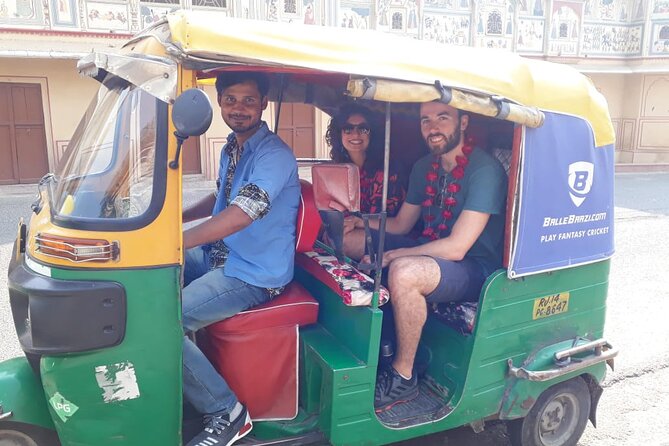
The price is $16, and for Jaipur it’s genuinely budget-friendly. What makes it work is that the big logistics are already covered: hotel/airport transfer, the tuk-tuk sightseeing drive, bottled water, and the costs tied to moving around (fuel, parking, tolls, and taxes).
What’s not included is where your budget can creep up: monument entrance fees and meals. The tour lists an approximate entrance total around $30 USD, and you’ll pay food separately depending on what you choose.
Here’s how I’d think about value: if you’re the type who tends to skip optional stops, you might end up paying less than the estimate. If you plan to enter every site, you should treat $16 as the transportation baseline and entrance fees as the real add-on.
Your Stop-by-Stop Route in the Pink City
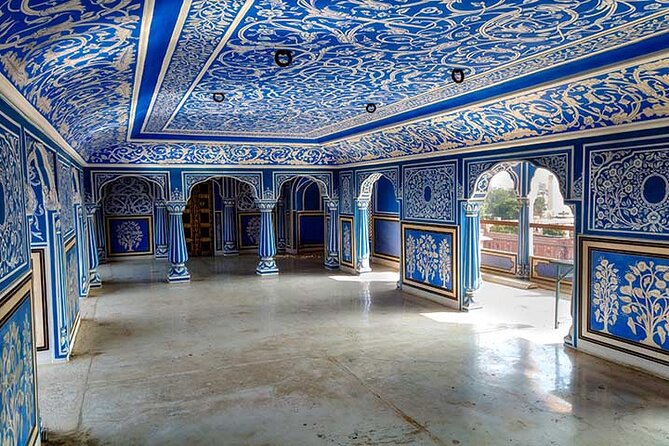
This route mixes palaces, an observatory, viewpoints, a museum, tombs, a fort town, and a stepwell. It’s a strong “first time in Jaipur” outline, with a few chances to breathe that aren’t just more lines.
Because entry fees vary by stop, your experience will feel different at each one. Some are likely to be pay-to-enter, while others are free and work well as photo or short-walk moments.
City Palace of Jaipur: Royal Power and Photo-Friendly Time
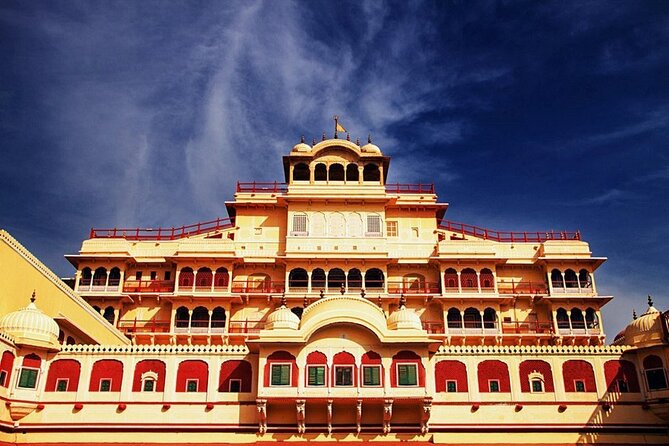
You start at the City Palace, tied to Maharaja Jai Singh and the royal household. The key benefit here is time: you get about 2 hours, which is enough to see major areas without rushing like a sprint.
The tour lists admission as not included here, so you’ll likely pay at the gate. If you like palaces, murals, and spaces where rulers actually lived, this stop justifies time quickly.
If you don’t love long indoor visits, I’d still recommend going. Even outside the most emphasized rooms, City Palace helps you understand how Jaipur organized authority—then the rest of the day makes more sense.





Jantar Mantar (UNESCO): The World’s Largest Stone Sundial
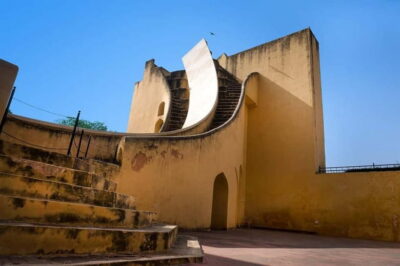
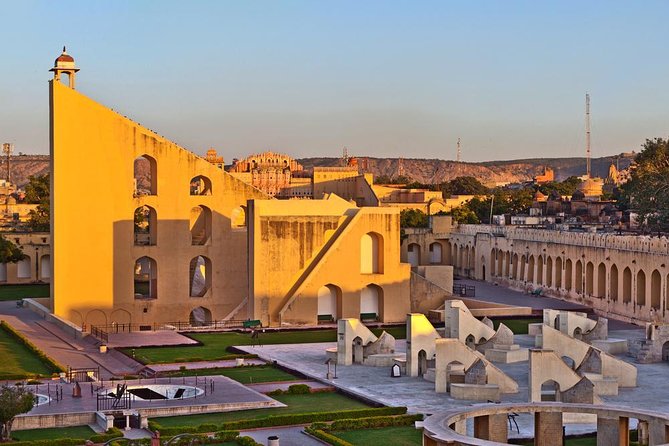
Next is Jantar Mantar, a UNESCO World Heritage site built by Sawai Jai Singh. You’ll spend about 1 hour, and it’s built around architectural instruments for astronomy.
The tour notes the site includes the world’s largest stone sundial. That detail matters because it changes how you look at the structures—you stop seeing rocks and start seeing measurement.
Admission isn’t included, so plan for gate fees. The good part: this is one of those places where even if you’re not a science person, the scale and design make it stick.
Hawa Mahal: Palace of Wind and Everyday-Life Angles
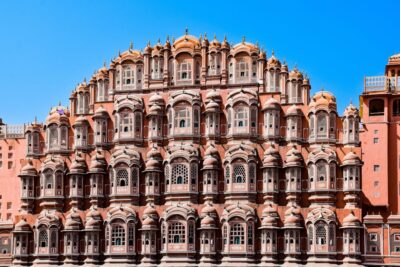
Then you’ll stop at Hawa Mahal, the famous Palace of Wind. You get about 1 hour, and it’s one of the best stops for understanding how the royal household watched the city.
The palace was planned so the household could look at daily life. That means your photos aren’t just pretty; they connect to the idea behind the design.
Admission isn’t included, so again budget for tickets if you enter. If you choose not to, you can still enjoy it from outside while the tuk-tuk drops you close enough to keep the day moving.
Jal Mahal: A Quick Water-Palace Break
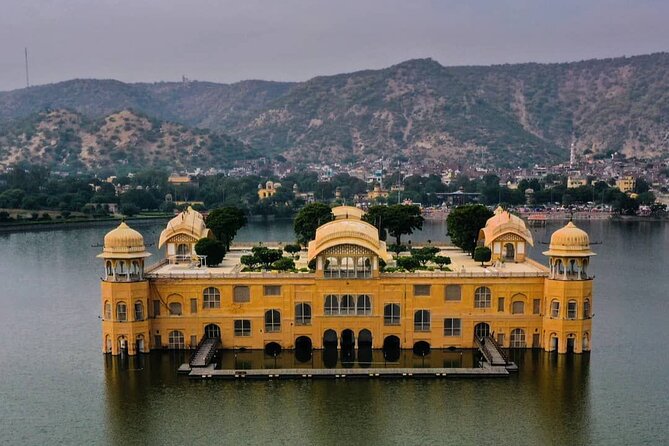
For about 30 minutes, you’ll visit Jal Mahal, the water palace in Man Sagar Lake. Admission is marked free, which makes it a low-cost palate cleanser between bigger-ticket sights.
This stop works best as a short pause for photos and a mental reset. You’re not here to read a full guidebook for hours—you’re here to catch the composition and move on.
Because it’s short, don’t expect deep exploration. Use it like a break, not a destination that needs half your day.
Albert Hall Museum: Architecture Fans Will Appreciate It
After that, you’ll head to Albert Hall Museum for about 1 hour. It’s described as Rajasthan’s oldest museum, and the building is known for Indo-Saracenic architecture.
Admission isn’t included, so treat it as a pick based on your interests. If you like how museums live inside historic buildings, you’ll probably enjoy the stop even if you’re selective about exhibits.
The museum sits in Ram Niwas Garden, outside the city wall area. That setting can make the visit feel less like rushing through a timed exhibit and more like a calm cultural break.
Royal Gaitor Tumbas: Peaceful, Less-Commanding, and Good for a Reset
Next is the Royal Gaitor Tumbas, where multiple maharajas are buried. You’ll get about 30 minutes, and the tour description emphasizes it as calmer and less visited.
Not every Jaipur day needs more major landmarks, and this is the type of stop that can restore your energy. If you’re tired of crowds and entrances, this is a smart time to slow your pace.
Admission isn’t included here either, so check your comfort level. Short visit, fewer expectations, and a quieter atmosphere can make it feel like a real change of pace.
Amer (Amer Town): Fort-Town Views Without Extra Ticket Rush
You’ll then reach Amer, also described as a historic town near Jaipur. The tour gives 2 hours, and it lists admission as free for this stop.
Amer is known here as a place with Rajput fort and palace-style architecture. Even if you don’t go heavy on interior areas, the town layout helps you feel why Jaipur’s rulers built around this region.
Because it’s free, this segment is great for budget travelers. It also gives you more time to breathe between ticket stops, which helps the day feel less “all gates, all the time.”
Panna Meena ka Kund: Stepwell Time That’s Quiet and Worth It
You’ll wrap up at Panna Meena ka Kund, a 16th-century stepwell. You only get about 30 minutes, and the tour lists admission as free, which is a win for value.
Stepwells are about engineering and daily life, not just aesthetics. The tour notes symmetrical staircases and intricate carvings, and that kind of design is perfect for short, focused visiting.
This is a good last stop because it’s visually satisfying without requiring a long museum-style commitment. If you’re watching your energy levels, it lands just right.
Comfort and Common-Sense Tips for a Smooth Tuk-Tuk Day
A tuk-tuk day is fun, but Jaipur can be hot and busy, so small choices matter.
I’d pack around what the tour expects: smart casual clothing and comfortable shoes for moderate walking. If you’re planning photos at temple-adjacent areas, cover up a bit so you don’t have to scramble at the last minute.
Also keep luggage limits in mind: the tour allows up to 1 suitcase and 1 carry-on bag, and oversized extras may have restrictions. If you’re traveling light, you’ll feel the day is easier.
The tour includes bottled water, but you should still treat the day like a full outing. Bring something for sun protection if you normally need it, and plan to pause when you need to.
Why the Route Works for First-Timers (and Who Might Want Something Else)
This is a strong “see the classics” plan. You hit palace architecture, the UNESCO observatory, the most recognizable views, and you end with a stepwell that’s different from the usual palace-and-fort circuit.
I also like that the route includes both paid and free stops. You can control your spend by deciding how much you enter versus how much you observe from the outside, especially at shorter stops.
Who it suits best:
- First-timers who want a full day with minimal planning
- Budget travelers who want transfers and transport handled
- Anyone who prefers private pacing over big-bus days
Who might want a different style:
- People who want zero walking and fully seated sightseeing
- Travelers who need long stays at only a couple of major monuments
Should You Book This Jaipur Tuk-Tuk Tour?
If you want Jaipur highlights with less hassle, I’d say this tour is a smart buy. The included pickup/drop, bottled water, and all the driving costs make the $16 price feel real instead of symbolic.
Book it if you’re okay paying entrance fees on top and you like variety in one day. The sequence makes sense for getting your bearings fast and seeing why Jaipur is famous.
Skip or rethink if your priority is only one or two monuments and you’d rather spend the day slowly. Then you might be better off with a more custom long-stop plan—because this itinerary is designed to keep moving.
FAQ
What’s included in the Jaipur tuk-tuk tour price?
The tour includes hotel/airport/bus or rail station pickup and drop, bottled water, the tuk-tuk sightseeing tour, and costs like fuel, parking, tolls, and interstate taxes. Tips and gratuities, meals, personal expenses, and monument entrance fees are not included.
Are monument entrance fees included?
No. Entrance fees are listed as not included, with an approximate total of $30 USD mentioned. Some stops are marked free, so your final amount may vary.
How long is the tour, and is there walking?
The tour is about 9 hours (approx.) and includes a moderate amount of walking. Comfortable shoes are recommended.
What should I wear?
The dress code is smart casual. Short shorts or sleeveless tops are not recommended for temple areas.
How does pickup work?
You can be picked up and dropped off from your hotel, the airport, or a bus/railway station. The tour is private, so only your group participates.
Can I cancel, and what about weather?
You can cancel for free up to 24 hours in advance for a full refund. The tour notes it requires good weather, and if it’s canceled due to poor weather you’ll be offered a different date or a full refund.