REVIEW · JAIPUR
Jaipur: Jhalana Amagarh Leopard Safari Park Guided Tour
Book on GetYourGuide →Operated by Parikshit Tour and travels · Bookable on GetYourGuide
A leopard safari just outside Jaipur is a rare treat. This one takes you into the Jhalana Amagarh leopard reserve on a timed wildlife drive, where you’re looking for big cats and learning what else shares the hills. I especially like the conservation-and-education angle, and I also like that you’re in a large 23-square-kilometer reserve forest instead of a tiny zoo-style enclosure.
My main caution: a leopard sighting is never guaranteed. You’ll follow the park’s routes and wildlife moves, and if leopards aren’t seen, there’s no refund for that.
In This Review
- Key highlights (what matters in real life)
- Jhalana Amagarh: A Jaipur Leopard Safari That Feels Wild
- What You Can Expect to Spot: More Than Just Leopards
- The 2.5 Hours: How the Safari Runs in Plain Steps
- Vehicles, Groups, and Why Drivers Matter on This Safari
- Price and Value: Is $36 Worth It?
- Leopard Sightings Reality Check (and How to Not Get Burned)
- What to Wear, Bring, and Photograph (Without Annoying Animals)
- Who This Safari Fits Best (and Who Should Skip It)
- Small Logistics That Make the Day Smoother
- Should You Book the Jaipur Jhalana Amagarh Leopard Safari?
- FAQ
- How long is the Jaipur Jhalana Amagarh Leopard Safari?
- What does the tour cost?
- Where does the safari start and end?
- Is a leopard sighting guaranteed?
- What animals might I see besides leopards?
- Do I need binoculars?
- Can I take photos or use a camera flash?
- Is hotel pickup included?
- What if the safari doesn’t run or leopards aren’t spotted?
- Who should not book this safari?
Key highlights (what matters in real life)
- A city-close reserve forest: Jhalana is in/near Jaipur and runs as a dedicated safari park in the Aravalli hills.
- Leopards plus a wider mix of animals: jackals, nilgai, hyenas, jungle cats, peacocks, spotted deer, blue bulls, and more.
- Big viewing space: the park covers 23 sq km, with two safari routes open depending on availability.
- English live guide: you get on-the-ground explanations during the drive.
- Bring binoculars: they’re specifically recommended to spot wildlife better at distance.
Jhalana Amagarh: A Jaipur Leopard Safari That Feels Wild
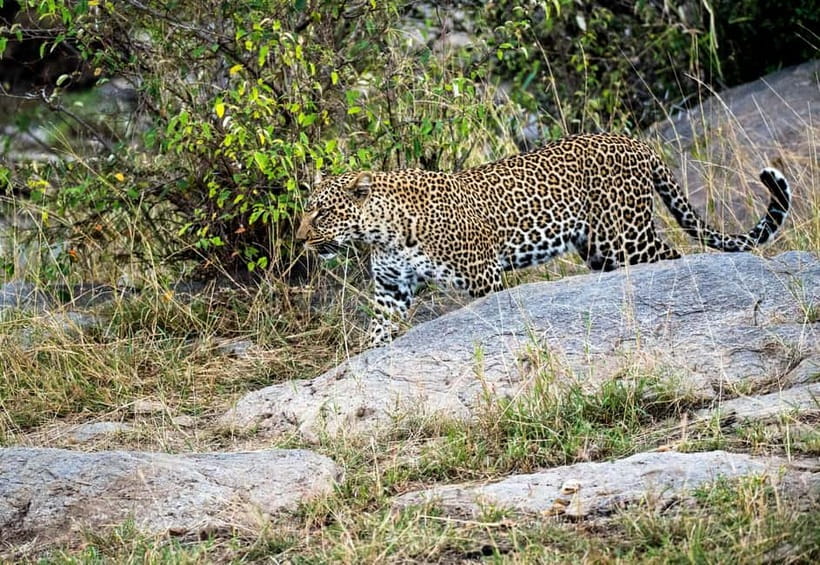
If your idea of a great Jaipur animal day is big cats in a real reserve setting, Jhalana Amagarh Leopard Safari Park is one of the most direct ways to chase that. The safari is run through the Government Forest Department, and the whole setup is aimed at conservation, education, and giving animals room to live naturally.
What makes it interesting is the location and scale. This isn’t a far-flung wildlife trip that takes most of your day. The reserve is near Jaipur—closer to the airport—so you can fit it between sightseeing plans without losing daylight. And inside, you’re in a large, open reserve area in the Aravalli hills, where the goal is wildlife spotting, not crowding into cramped viewing pens.
I also like that the park frames itself as a non-profit wildlife destination. The messaging is practical: you’re there to learn and observe, and your behavior matters because the animals are still animals, not attractions.
You can also read our reviews of more guided tours in Jaipur



What You Can Expect to Spot: More Than Just Leopards
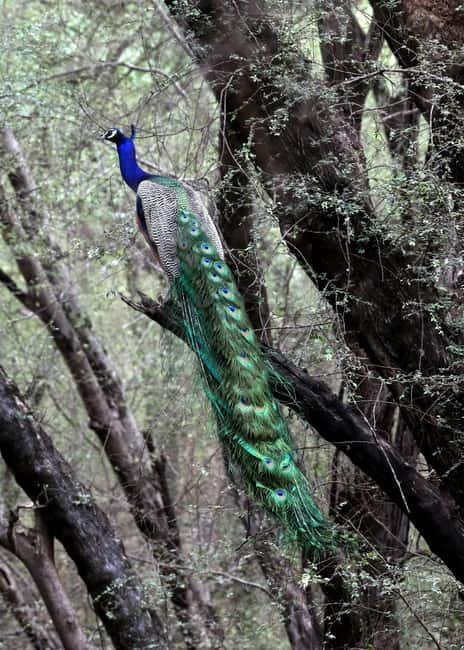
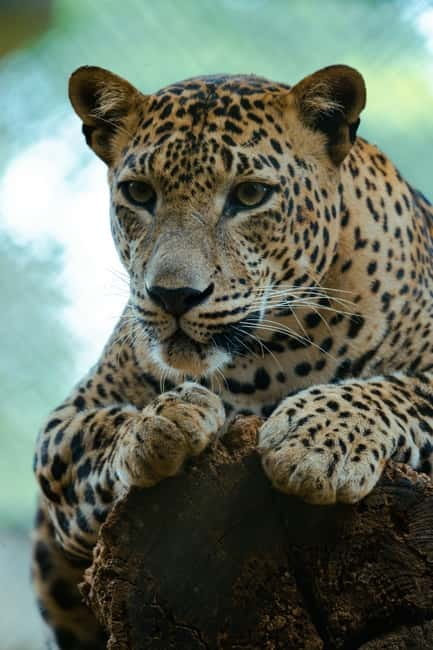
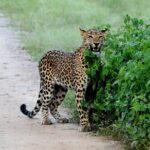
Leopards are the headline, and Jhalana has a meaningful population. The reserve is home to about 30–35 leopards, with 6–7 carving out territory in the tourism area. That’s why this safari draws repeat attention from people who want a chance at seeing big cats without a multi-day expedition.
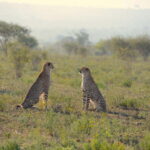
Still, you’re not only hunting for leopards. The safari experience is built around scanning for movement and understanding what’s possible in different corners of the reserve. Besides leopards, you might see jackals, nilgai (blue bull), hyenas, jungle cats, and peacocks. The wider area is also described as hosting birds (both resident and migratory), along with species like spotted deer and wild boars.
A useful way to think about it: if you show up expecting a guaranteed leopard photograph, you’ll feel stressed when the reserve is quiet. If you treat it as a wildlife drive where the animals set the pace, the day feels richer. Even when the big cat doesn’t show up, you’re still learning how the ecosystem works.
The 2.5 Hours: How the Safari Runs in Plain Steps
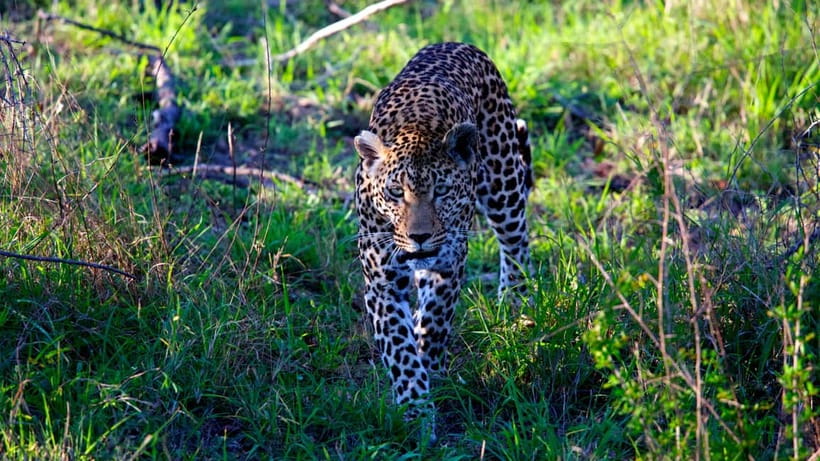
Your tour starts at Amagarh Leopard Reserve, then you head into Jhalana Leopard Safari Park for wildlife viewing. The active safari time is typically about 2 to 2.5 hours, with the exact timing and starting hour depending on the season. In other words, you might need to be flexible with your schedule.
The park’s operation includes two safari routes that are open for visitors. Which route you get can depend on availability, and the way the day plays out can vary based on where animals are showing signs of activity. You’ll spend your time driving slowly through the reserve, scanning edges, tree lines, and open patches for wildlife.
One key practical detail: you return back to Amagarh Leopard Reserve at the end. That matters because it keeps the day tight. You’re not getting pulled into a half-day or full-day wandering buffer. The safari is built for focused viewing within that 2-hour window.
If you’re the type who hates waiting around, you’ll probably appreciate that the timing is designed around spotting chances rather than sightseeing stops. The trade-off is obvious: you’re in “search mode,” so the reserve might not deliver the exact animal you came for on that exact hour.
Vehicles, Groups, and Why Drivers Matter on This Safari
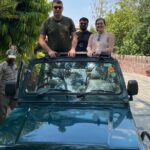
This is a guided safari with a live guide in English. You’ll also ride in a sharing safari vehicle, unless you chose a private option. The private option can include a private leopard safari and may also add hotel pick-up and drop-off by AC car. If you did not choose that option, the tour description only guarantees the safari transportation, not hotel transfer.
The ride itself is part of the experience. Roads inside and around reserve areas can be rough. One traveler specifically noted that the roads are “rumpelig,” and the practical takeaway is simple: don’t go too heavy on food right before you head out. If your stomach is sensitive to bumpy driving, plan a light snack instead of a big meal.
Drivers also matter here because leopard sightings can be a moving target. One positive review pattern was that guides and drivers were excellent and knew local wildlife well. Even without guaranteeing sightings, a good driver improves your odds because they understand where to look and how to position the vehicle safely and quietly.
A word on crowding: there’s a real chance you’ll share prime areas with other safari jeeps when a sighting happens. One unhappy experience included being surrounded by many cars in a small spot. So if you’re sensitive to tight group situations, mentally prepare for the possibility.
Price and Value: Is $36 Worth It?
At around $36 per person for a guided 2.5-hour safari, the value depends on what you want from the day. This is not priced like a private guide with guaranteed big-cat sightings. It’s priced like a shared wildlife drive where the payoff is the experience of being in the reserve and the chance to see leopards.
Here’s how I’d judge value for you:
- If you want a chance at leopards close to Jaipur, the price looks reasonable for the time and setting.
- If your main goal is guaranteed leopard visibility, no price will feel fair because sightings are not assured.
- If you’re okay focusing on wildlife variety—jackals, nilgai, peacocks, birds—then the cost is easier to justify even on slower days.
One detail you should ask about early: there are reports of an extra payment request related to someone not arriving for the shared group. The exact cause wasn’t clear in that account, but it’s a fair warning. Before you go, confirm there are no surprises in what you’ll pay on arrival.
You can also read our reviews of more tours and experiences in Jaipur
Leopard Sightings Reality Check (and How to Not Get Burned)
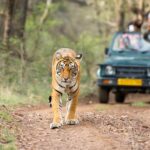
Let’s be honest: the park does not promise leopard sightings. The key rule is blunt—money will not be refunded if leopards are not seen. That also means the safari can feel like a gamble even though you’re doing everything right.
How do you make that gamble feel less stressful?
- Set your expectations to include other wildlife. This reserve supports more than one star species.
- Bring the right gear so you can spot animals at distance. Binoculars help a lot.
- Keep your behavior calm. The park guidance includes keeping noise to a minimum, because louder behavior can reduce sightings.
Also note: money will not be refunded if the safari can’t take place due to bad weather. That’s normal for outdoor wildlife ops, but it’s still important for planning. If you have a tight travel schedule and weather risk would ruin your itinerary, consider building in a little buffer time around your safari.
What to Wear, Bring, and Photograph (Without Annoying Animals)
You’ll get the best experience if you dress and act like you’re blending into nature, not like you’re heading to a city event. Wear comfortable clothing in neutral colors so you don’t stand out. The guide will be observing wildlife with you, so comfort matters because you’ll spend your time scanning rather than walking for long periods.
Bring binoculars. The safari is in a reserve, and some animals may appear far from the vehicle. Binoculars turn faint shapes into real IDs.
Camera rules are also practical:
- Camera is allowed
- Avoid flash photography so you don’t disturb animals
One more behavior tip: the park explicitly says no smoking. It’s not just for rules sake—smoke and distractions can also change animal behavior. If you want the day to go well, keep noise low and movements steady.
And because roads can be bumpy, treat this like a drive day. One review noted that before going, it might be smart not to eat too much, since the route can be rough.
Who This Safari Fits Best (and Who Should Skip It)
This safari isn’t for everyone. It’s listed as not suitable for:
- Children under 8
- Pregnant women
- People with back problems
The reasons are mostly about vehicle ride conditions and the physical limits of a safari-style outing. Even if you’re not walking much, the ride itself and the sustained sitting can be an issue for some bodies.
If you’re an adult with flexible expectations—ready to look, wait, and scan—this is a good match. It also fits well for wildlife lovers who appreciate conservation framing, not just animal spotting as a checklist.
Small Logistics That Make the Day Smoother
A few details can prevent last-minute stress:
- Passport required for entry: you’re asked to send your passport for park entry via WhatsApp or email after booking. Do this promptly once you book, since park access depends on it.
- Start time can shift: safari start timing may vary by 1 to 2 hours depending on the season. Plan around that, not to the minute.
- Communication is in English: the live guide is English-speaking, so you should be able to follow along easily.
- Routes depend on availability: the safari can operate via one of the routes, so your exact track through the reserve may differ day to day.
If you like structure, it can feel slightly less predictable than a fixed city tour. The upside is that the reserve doesn’t run on a timetable, so route variation is part of how wildlife spotting works.
Should You Book the Jaipur Jhalana Amagarh Leopard Safari?
I think you should book this safari if you meet two conditions: you want a real wildlife drive near Jaipur, and you’re okay treating leopards as a bonus rather than a guarantee. The setting is big enough to feel like reserve country, and the mix of animals keeps the experience going even when the big cat is quiet.
Don’t book it if you need certainty. If you must see a leopard to feel the trip was successful, the no-refund leopard policy is a hard signal. Also skip if you’re in one of the listed groups where the safari isn’t suitable.
If you do book, go in with the right mindset: dress in neutral colors, bring binoculars, keep noise down, and be ready for a bumpy but exciting ride into the Aravalli hills.
FAQ
How long is the Jaipur Jhalana Amagarh Leopard Safari?
The safari lasts about 2 to 2.5 hours, and the full activity timing is described as around 2.5 hours.
What does the tour cost?
The price is listed at $36 per person.
Where does the safari start and end?
The tour starts at Amagarh Leopard Reserve, then you go into Jhalana Leopard Safari Park for viewing and return back to Amagarh Leopard Reserve.
Is a leopard sighting guaranteed?
No. Money is not refunded if leopards are not seen.
What animals might I see besides leopards?
The safari highlights include jackals, nilgai, hyenas, jungle cats, and peacocks. The park is also described as having spotted deer, blue bulls, wild boars, and resident and migratory birds.
Do I need binoculars?
Binoculars are recommended for better wildlife viewing.
Can I take photos or use a camera flash?
Camera use is allowed, but you should avoid flash photography to not disturb the animals.
Is hotel pickup included?
Hotel pickup and drop-off by AC car is included only if you choose the private option. For the standard shared safari, transportation in a sharing safari vehicle is included.
What if the safari doesn’t run or leopards aren’t spotted?
The money will not be refunded if leopards are not seen, and it also won’t be refunded if the safari cannot take place due to bad weather.
Who should not book this safari?
It is not suitable for children under 8, pregnant women, and people with back problems.