REVIEW · JAIPUR
Private Full-Day Jaipur Guided Tour with Monkey Temple
Book on GetYourGuide →Operated by Jaipur City Tour Travels · Bookable on GetYourGuide
Jaipur can feel like a lot to manage, which is exactly why this private day tour works so well. I like the air-conditioned car with a driver, and I also love how a local guide connects the dots between monuments, everyday life, and the stories behind each stop. One thing to keep in mind: key sites have entrance fees and lunch isn’t included, so you’ll want extra cash ready.
You’ll cover the big hits—Hawa Mahal, Amber Fort, City Palace, Jantar Mantar, and the Monkey Temple—without spending your day stuck on logistics. If you want a smoother experience, aim for an early start when possible, because crowds can build fast later in the day.
In This Review
- Key highlights to watch for
- Jaipur in One Long Day: How the Private Car Makes It Work
- Hawa Mahal in the Morning Light: Lattice Details Without the Stress
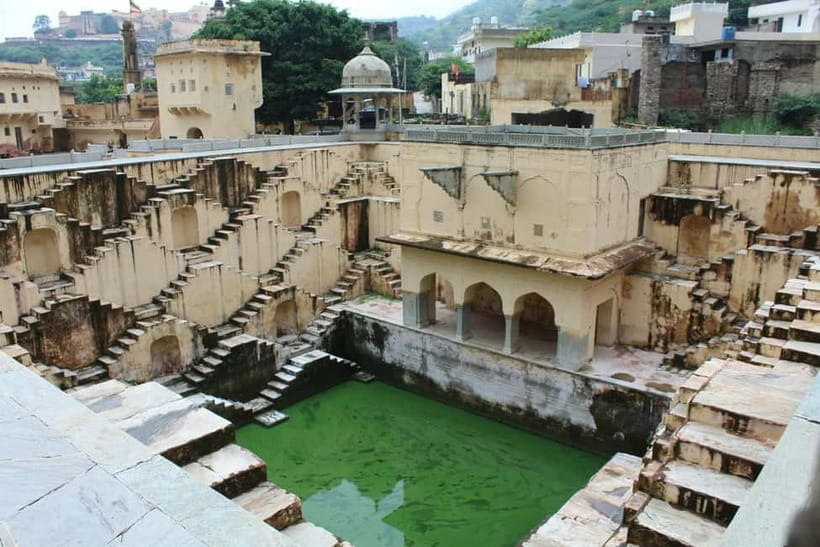
- Panna Meena ka Kund: The Stepwell That Looks Like Geometry
- Amber Fort and the Glimpse of Jal Mahal
- Gaitor Ki Chhatriyan: Cenotaphs on the Hill
- City Palace and Museum Rooms You Can Still Feel Royal In
- Jantar Mantar: Jaipur’s Stone Astronomy
- Galtaji Monkey Temple: The Kund Water System and Temple Views
- Lunch, Markets, and Street Food Energy: What to Budget
- Price and Logistics: What $13 Covers, and What It Won’t
- Choosing the Right Guide: When Names Matter
- Who This Tour Fits Best (and When to Skip It)
- Should You Book This Jaipur Tour?
- FAQ
- What does the tour price include?
- Are monument entrance fees included?
- Is lunch included?
- Where are the pickup and drop-off locations?
- How long is the tour?
- Do I need to pay for tickets or can I skip lines?
- What languages are available for the host/greeter?
- What should I wear and bring for temple visits?
Key highlights to watch for
- Hawa Mahal lattice views: best seen up close, not just from a distance
- Panna Meena ka Kund’s step geometry: a stepwell that feels almost engineered
- Amber Fort + Jal Mahal contrast: red sandstone fort views with the water-surrounded palace look
- Gaitor Ki Chhatriyan: cenotaphs that add a quieter, cinematic pause
- Jantar Mantar’s astronomical instruments: stone structures built for measuring the sky
- Monkey Temple complex (Galtaji): the kund water-system leads your walk to the central temple
Jaipur in One Long Day: How the Private Car Makes It Work
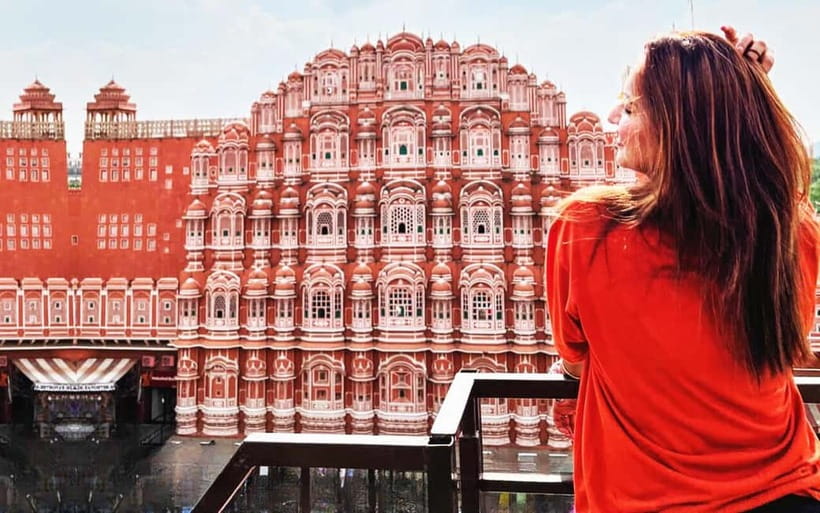
This is a private, full-day tour built for efficiency. You get a driver and a private air-conditioned vehicle, so you’re not negotiating buses, auto-rickshaws, or ride-hailing across a city with traffic that can change minute to minute. The tour runs about 9 hours, with pickup options in Jaipur or Kukas, and drop-off at Kukas or Jaipur depending on what you choose.
The vehicle size matters. The day includes car types for different group sizes—an AC 4-seater sedan for 1–3 people, an AC 6-seater for 4–5, and an AC 10-seater tempo traveler for larger groups. That’s practical: you should feel comfortable at each stop and not crowded on the ride between forts and museums.
Bring comfortable shoes. You’ll be doing walking and short walks at multiple sites, plus a stroll through market streets near the end of the day. Also bring a camera and comfortable clothes. For temple visits, plan smart casual and avoid short shorts or sleeveless tops, since the dress code is taken seriously at religious spots.
You can also read our reviews of more guided tours in Jaipur


Hawa Mahal in the Morning Light: Lattice Details Without the Stress
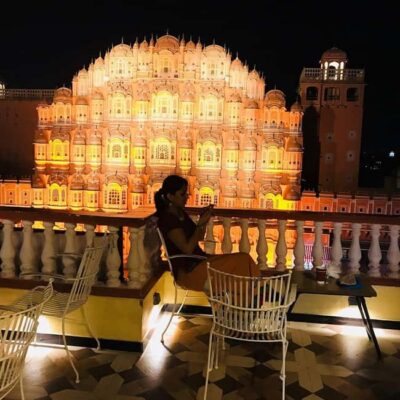
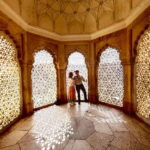
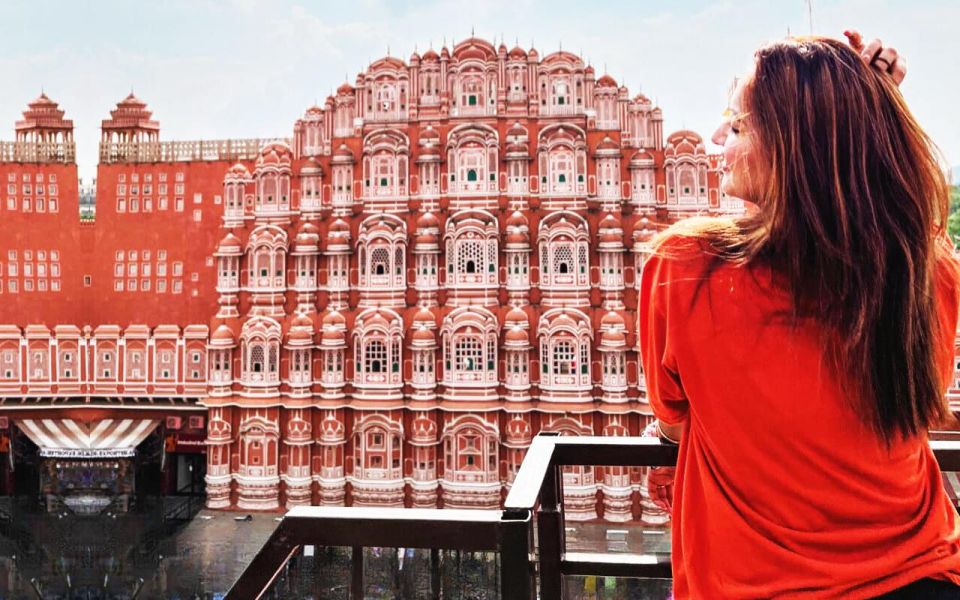
Hawa Mahal is one of Jaipur’s most photographed buildings for a reason. Up close, you’ll see the real character: layers of sandstone facades and the famous lattice-style windows that were designed to let royal women observe city life while staying sheltered.
What I like about doing this early is that you can actually look at the details without constantly dodging crowds. The stop includes a photo time, a visit, and guided context, plus time to walk around at your own pace. If you enjoy architecture, this is where it clicks—Hawa Mahal isn’t just a pretty wall; it’s a functional design.
A practical tip: wear shoes you trust. The area around major monuments tends to include uneven ground and lots of steps. If you want photos, keep your camera ready, but don’t rush. The lattice patterns make more sense when you can shift your angle and see how the light hits.
Panna Meena ka Kund: The Stepwell That Looks Like Geometry
Panna Meena ka Kund (often called Panna Meena ka Kund) is the kind of sight that feels like it escaped a textbook. The structure features steps arranged in a distinctive way, leading down toward a well, with the geometry doing most of the visual work.
This is short—about 30 minutes—but it’s worth that chunk of time. Stepwells in Rajasthan weren’t just decorative. They were built for water access and daily use, and the design reflects serious planning. At ground level, you get a sense of how people moved through the space: down the steps, toward the well, and back up.
There’s also a calm feeling here compared with some of the busier fort areas. If you’re traveling with heat and energy constraints, this stepwell stop is a nice visual breather.
Amber Fort and the Glimpse of Jal Mahal
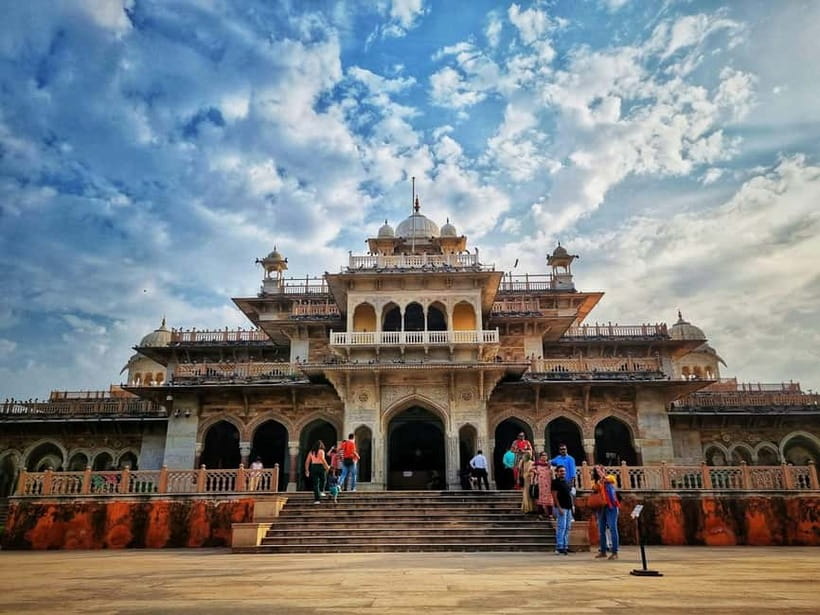
Amber Fort is one of those places where you understand why Jaipur became a power center. You’re looking at red sandstone and marble architecture, plus fort-scale views that help you picture how this area was defended and lived in.
You’ll spend about 2 hours here. The stop includes photo time, a guided visit, and walk time. Amber Fort is big enough that “seeing it quickly” can turn into missing key views—so choose one or two angles you love and spend time at them. From the fort zone, the scene typically includes sweeping surroundings, giving you that moment where the fort stops feeling like a monument and starts feeling like a real place.
Then comes Jal Mahal, the water-surrounded palace look. You get a photo stop and a visit here as part of the route, with about 30 minutes allocated. One reason people remember Jal Mahal is the contrast: the fort world above, and this palace partially submerged in water. It’s also one of those spots where you’ll want to manage expectations—depending on water level and angle, it can look more or less dramatic.
Gaitor Ki Chhatriyan: Cenotaphs on the Hill
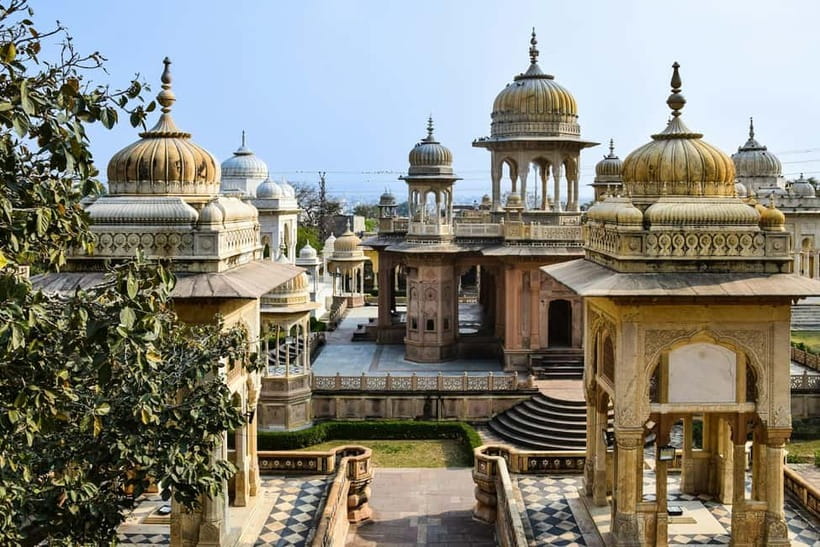
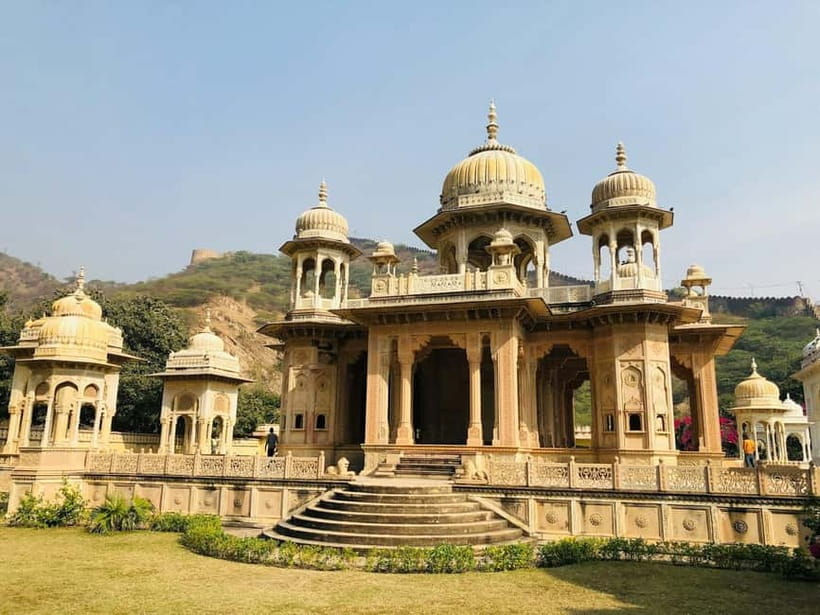
Gaitor Ki Chhatriyan (also written Gaitor Tumbas) is a different mood. Instead of forts and palaces, you’re visiting royal cenotaphs—architectural memorials with historical significance. The site is described as housing the cenotaphs of Maharajas and their families, and that matters because it’s not just a pretty hillside stop. It’s a place tied to Jaipur’s ruling families and how power was honored.
You get about 1 hour here, with the same structure of photo time, visit, guided context, and walk. If you want a pause in the day—something quieter than the busiest monuments—this is a solid choice. The views can also feel more open than some indoor or narrow-corridor sites.
Keep your pace steady. Even when the site is not huge, you’ll move through paths and viewpoints, and that can add up by midday.
You can also read our reviews of more private tours in Jaipur




City Palace and Museum Rooms You Can Still Feel Royal In
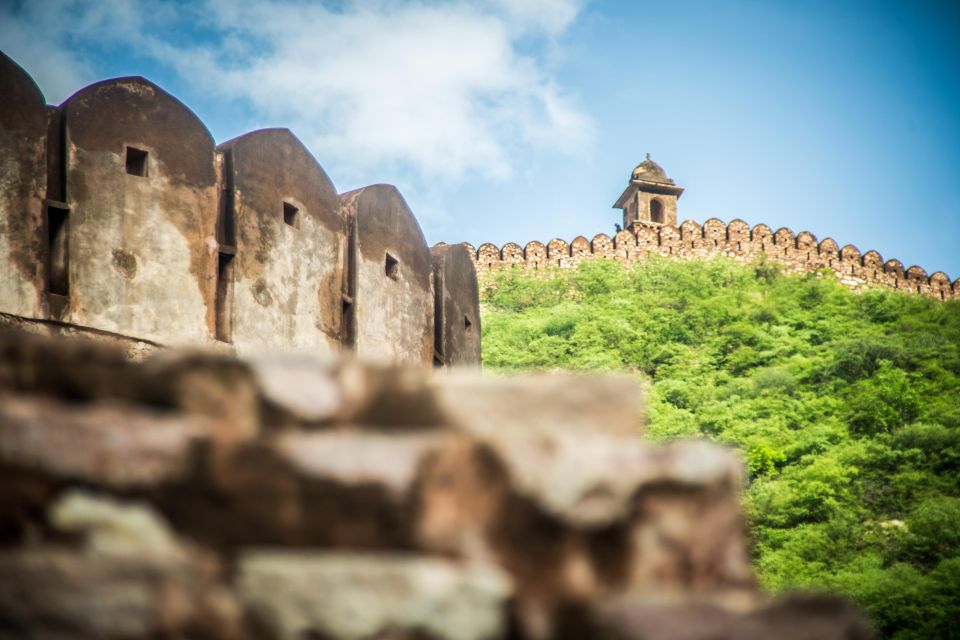
City Palace is both a museum portion and a continuing royal presence. You’ll visit the residence area tied to the Maharaja of Jaipur and the Kachwaha Rajput clan. While parts are turned into a museum, a lot of it still feels like a working heritage space rather than a fully separated attraction.
This stop is about 2 hours, with guided time and a walk component. City Palace is one of the best monuments for understanding how Jaipur functioned as a seat of rule—where politics, design, and everyday administration overlapped. It’s also a good place to slow down a little, since the details reward patient looking.
One more practical note: this kind of site can involve indoor rooms and outdoor courtyards, so you’ll want layers or at least something comfortable for changes in shade.
Jantar Mantar: Jaipur’s Stone Astronomy
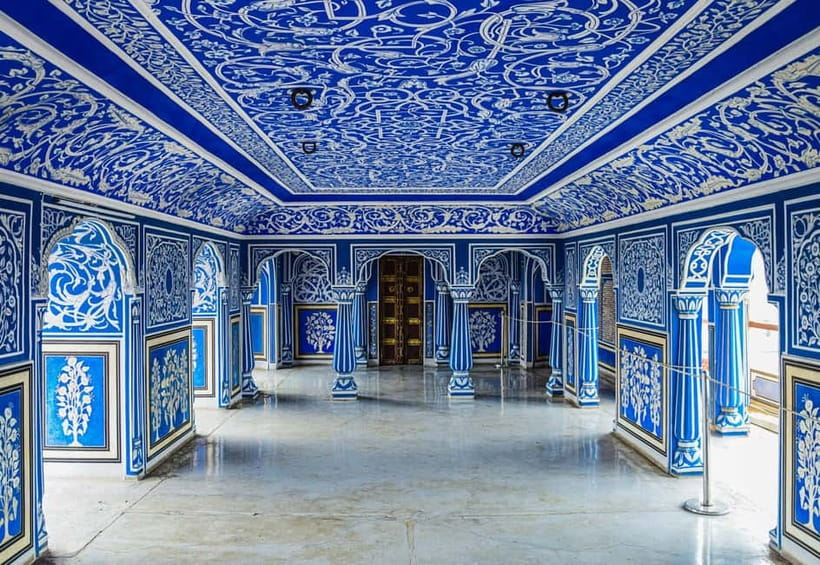
Jantar Mantar is the observatory side of Jaipur that people sometimes overlook. Instead of palace drama, you get instruments built for measuring the sky—architectural and astronomical tools made from stone.
You’ll get about 1 hour here, including photo time and guided explanation. What makes it worth your time is that it forces you to see Jaipur as more than fort-and-folk. The place demonstrates how people once built systems to track time, motion, and celestial patterns. Even if you’re not a science person, it’s still visually striking once you know what you’re looking at.
I like doing it after City Palace, because the day starts to broaden: you move from ruling life into the scientific imagination of the same era.
Galtaji Monkey Temple: The Kund Water System and Temple Views
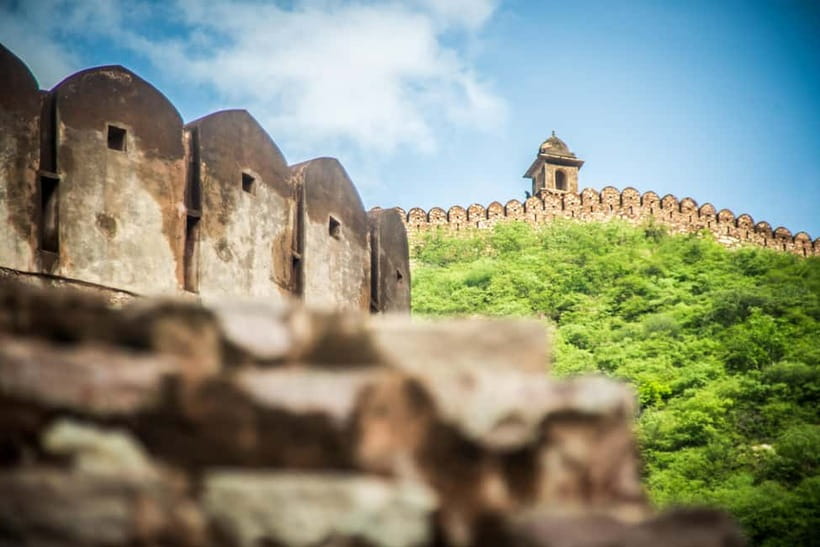
Finally, the Monkey Temple—also known as Galtaji—adds a more spiritual and lively energy to the route. The complex is described as an 18th-century temple complex with many names, and the main attraction is the multi-storied kund water tank system that leads up toward the central temple.
You’ll get about 1 hour here. The walk through the complex is part of the point: the architecture guides your movement, and the rounded roofs and pavilions fit the Rajasthan style. This stop isn’t just about the central temple; it’s about the whole water-system pathway and how it shapes the experience.
A practical thing to remember: it is a temple area. Dress appropriately, keep your phone and camera secure, and watch your footing. You’ll be in and around areas where people move close together.
Near the end of the day, you also get time to stroll through narrow streets and browse local market goods. The plan includes a chance to experience Jaipur’s markets and food streets, which is where the city feels most everyday—busy, social, and full of small, quick temptations.
Lunch, Markets, and Street Food Energy: What to Budget
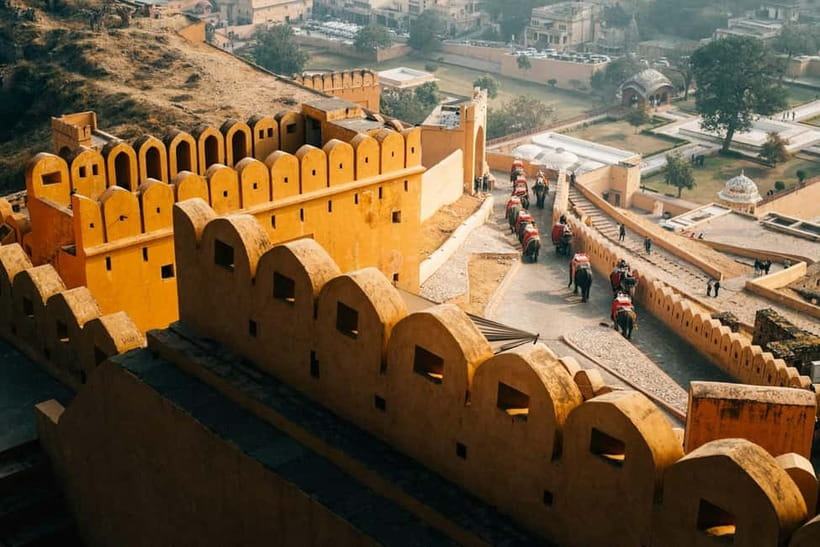
Lunch is part of the day, but it’s not included in the price. The guide leads you to a restaurant for lunch, and you’ll need to pay separately. Many people find it a fair trade-off: you’re not hunting for a safe, practical meal after hours of sightseeing, and the guide can help you navigate what’s good and what to order.
Some guides also encourage street food, and that can be a smart move if you like local flavors and you’re careful about hygiene and queue popularity. If street snacks are your thing, ask the guide for a plan that fits your comfort level.
Then there’s the market time. This isn’t a full shopping mission, more like a chance to walk, browse, and pick up small souvenirs while the city is in full swing. Bring a little cash. Even when you can pay electronically, cash makes market life simpler.
Price and Logistics: What $13 Covers, and What It Won’t
The price listed is $13 per person, and for that you’re getting private transport by an air-conditioned car, a driver, and bottled mineral water in the vehicle, plus taxes, fees, fuel surcharge, and parking fees. That’s a meaningful value piece because parking and fuel add up fast in cities.
What’s not included is important: monuments entrance fees and lunch. So the real cost is the base price plus site tickets and your meal. If you’re traveling on a tight budget, plan for that in advance rather than assuming everything is rolled into the $13.
You’ll also want to factor in the guide option. The setup can include a private local guide as an option, and your stops are designed around guided context. If you prefer a more independent pace, you might choose without, but the itinerary is built for interpreting the sights, not just passing by them.
Small timing insight: if you can, ask for an earlier start. One solid way to protect your day is to reduce time spent in peak crowds, especially around the most famous photo zones.
Choosing the Right Guide: When Names Matter
A private guide can change the whole day. In this tour, you’ll typically have guided touring at most major stops. Some guides are especially strong with practical navigation and photo help.
For example, there are instances of standout guiding and driving pairings like Vishan Singh and Sani, or Farman with driver Sunny. Others include Mustak and Manoj for solo travelers, and Abdul for both knowledge and picture-friendly guidance. Shamshu is also mentioned as a careful driver who knows where street food is worth the time. These aren’t guarantees, but they reflect the kind of guide who makes the day feel smoother: good pacing, clear explanations, and a driver who knows how to position the car for quick access.
If you have specific interests—architecture, astronomy, royal history, or street food—tell your guide early. A good guide will shape the day around what you care about, within the structure of the route.
Who This Tour Fits Best (and When to Skip It)
This is a great match if you want a high-coverage Jaipur day with low hassle. It’s especially good for first-timers who want the main monuments—Hawa Mahal, Amber Fort, City Palace, Jantar Mantar, and the Monkey Temple—without arranging multiple tickets and transport pieces yourself.
It also works well for solo travelers because private transport and private guiding can feel safer and more comfortable. If you like street life, the market and food-street walk at the end is a nice way to balance the big monuments.
It may not be the best fit if you have pre-existing medical conditions, since the tour involves visiting multiple sites and includes walking. Also, if your comfort level with temples is limited by dress expectations, prepare with appropriate clothing before you go.
One more practical note: avoid bringing pets. And since alcohol and drugs aren’t allowed, keep the day clean and straightforward.
Should You Book This Jaipur Tour?
Book it if you want a private, guided, monument-heavy day that hits the essential Jaipur sights in one organized route. The value is strongest when you factor in private air-conditioned transport, driver handling of parking, water in the car, and guided interpretation that makes the monuments easier to understand.
I’d skip or reconsider if your budget can’t handle extra entrances and lunch, or if you prefer a slower, less structured pace. If you do book, do one smart thing: start earlier if you can, wear good shoes, and bring cash for tickets and lunch.
FAQ
What does the tour price include?
It includes private air-conditioned car transport with a driver, bottled mineral water in the car, all taxes, fees, fuel surcharge, and parking fees. Monuments entrance fees and lunch are not included.
Are monument entrance fees included?
No. Entrance fees for monuments are not included, so you’ll need to pay separately at the sites.
Is lunch included?
Lunch is not included. The guide takes you to a restaurant for lunch during the tour.
Where are the pickup and drop-off locations?
Pickup is available from Jaipur or Kukas. Drop-off is available at Kukas or Jaipur, based on the option you select.
How long is the tour?
The tour duration is about 9 hours.
Do I need to pay for tickets or can I skip lines?
The tour includes skipping the ticket line.
What languages are available for the host/greeter?
Languages offered are English, German, French, Spanish, and Italian.
What should I wear and bring for temple visits?
Wear smart casual clothing. Short shorts and sleeveless tops are not recommended for temple visits. Bring a passport or ID card, comfortable shoes, a camera, comfortable clothes, and cash.