REVIEW · JAIPUR
Jaipur City Tour: City Palace, Jantar, Hawa & Jal Mahal
Book on GetYourGuide →Operated by Keeper Landwey · Bookable on GetYourGuide
Jaipur turns architecture into a story you can walk through. I really like the private, government-approved guide approach, because you get clear explanations plus street-smart timing for photos, like the best angles for Hawa Mahal. The visit also stacks major landmarks in one go, so a short trip still feels complete. The only real drawback is that the pace is built for seeing a lot, so if you want to linger in museums or take many slow photo stops, 5 hours may feel tight—especially since Jal Mahal isn’t open inside.
For logistics, this runs like a smooth half-day: hotel (or other) pickup, a comfortable air-conditioned car, and bottled water. You can pick a departure time between 8 AM and 12 Noon, and the guide leads in a steady order that makes sense for a first-time Jaipur look.
I also love the flexibility. If you’re working around flights, the route can be modified, and some guides can even add a nearby extra like Amber Fort if you ask ahead. Just note: entry fees and lunch are only included if you select those options, so check what’s on your chosen package.
In This Review
- Quick Hits: The Stuff That Most Impresses
- How the 5-Hour Schedule Works (Pickup to Drop-Off)
- What the timing feels like in practice
- City Palace: Museums Inside a Royal Power Center
- The best reason to do City Palace first
- Jantar Mantar: UNESCO Astronomy You Can Actually Understand
- Why it’s worth your hour
- Hawa Mahal: 953 Windows, and How to Get the Right Photo Angle
- A small reality check
- Jal Mahal at Man Sagar Lake: The Water Palace Photo Stop
- Best way to enjoy Jal Mahal
- Lunch Break: A Real Meal Without Wasting the Day
- Quick lunch strategy
- Price and Value: What $28 Usually Buys You
- The guide quality factor
- Practical Tips to Make Your Jaipur Day Easier
- Who This Tour Suits Best (and Who Might Want More Time)
- Should You Book This Jaipur City Tour?
- FAQ
- What is the duration of the Jaipur city tour?
- What time does the tour usually start?
- Where can pickup and drop-off happen?
- Is the tour private?
- What are the main stops on the tour?
- Can I go inside Jal Mahal?
- Is lunch included?
- Are entry fees included?
- What languages are available for the live guide?
- What should I bring for the tour?
- Is there wheelchair accessibility?
Quick Hits: The Stuff That Most Impresses
- Private guide quality varies by language and style, but the standout pattern is strong explanations and helpful, photo-minded guidance (I’ve seen names like Kamlesh Sony, Irfan Ali, and Kishor come up for a reason).
- Four big stops in five hours means you’ll see more than the usual “one palace and a photo.”
- Skip-the-ticket-line helps keep your day from getting stuck at counters.
- City Palace + Jantar Mantar give you both royal culture and science in the same morning.
- Hawa Mahal at the right moment is where you get those classic window-and-balkony views without stress.
- Jal Mahal is for photos and quiet time, not for going inside, so plan it as a scenic pause.
How the 5-Hour Schedule Works (Pickup to Drop-Off)
This tour is built as a true half-day circuit. The pickup can be from anywhere in Jaipur—your hotel, the airport, the train station, or an address you provide. That matters because Jaipur traffic can eat time, and saving that first chunk helps you actually enjoy the monuments instead of just timing your ride.
You’ll start between 8 AM and 12 Noon, which is a smart range. Early hours usually mean easier movement through the sites, and the light can be good for photos—especially around Hawa Mahal later in the morning. The car is air-conditioned, and you get bottled water, which sounds basic until you’re under Indian sun and suddenly grateful for it.
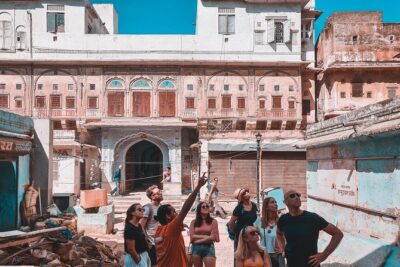
A private guide drives the whole thing. That’s not a small detail. In Jaipur, the difference between wandering and understanding is huge. A good guide doesn’t just tell you what something is; they explain why it was built that way, and they help you position for photos without getting swallowed by crowds.
You can also read our reviews of more city tours in Jaipur
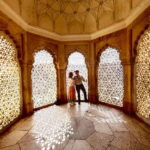


What the timing feels like in practice
You’ll move through:
- City Palace (about 2 hours) for the main museum experience
- Jantar Mantar (about 1 hour) for the UNESCO astronomical site
- Hawa Mahal (about 30 minutes) mainly for guided context plus photography
- Lunch (about 45 minutes) at a local multi-cuisine restaurant, if selected
- Jal Mahal (about 30 minutes) as a scenic photo stop and pause
The pace is practical. It’s not meant to be a slow, deep museum day. If you want that, you can ask about extending the plan (more on that later).
City Palace: Museums Inside a Royal Power Center
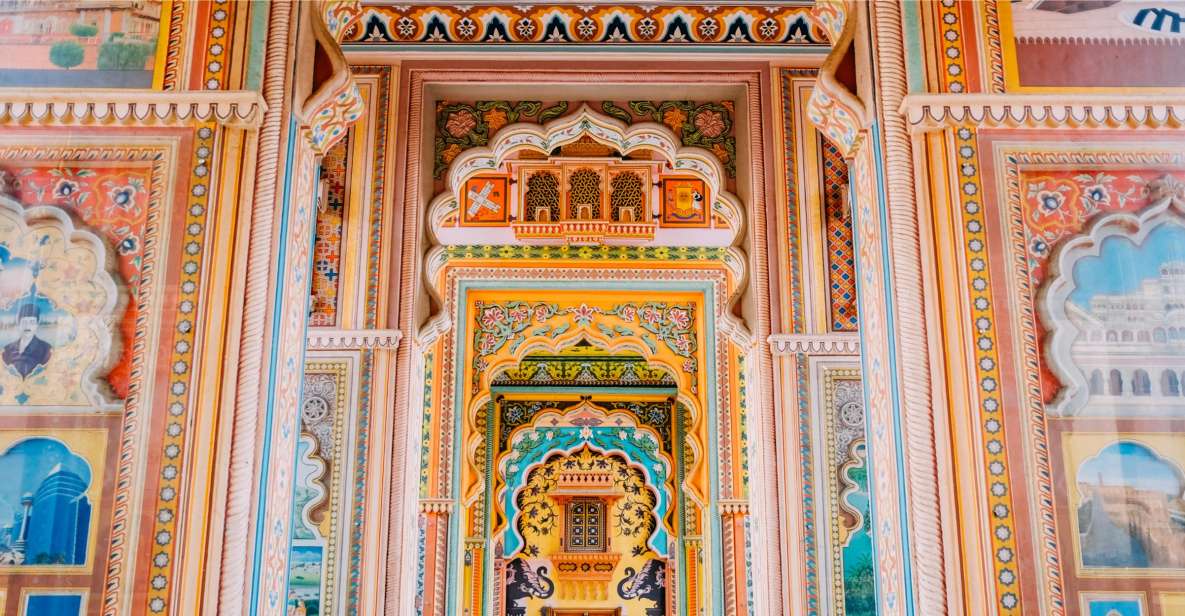
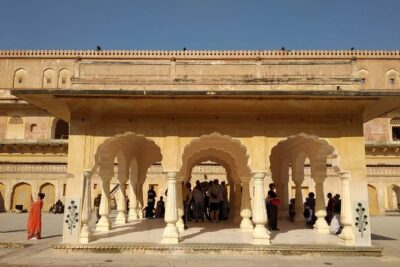
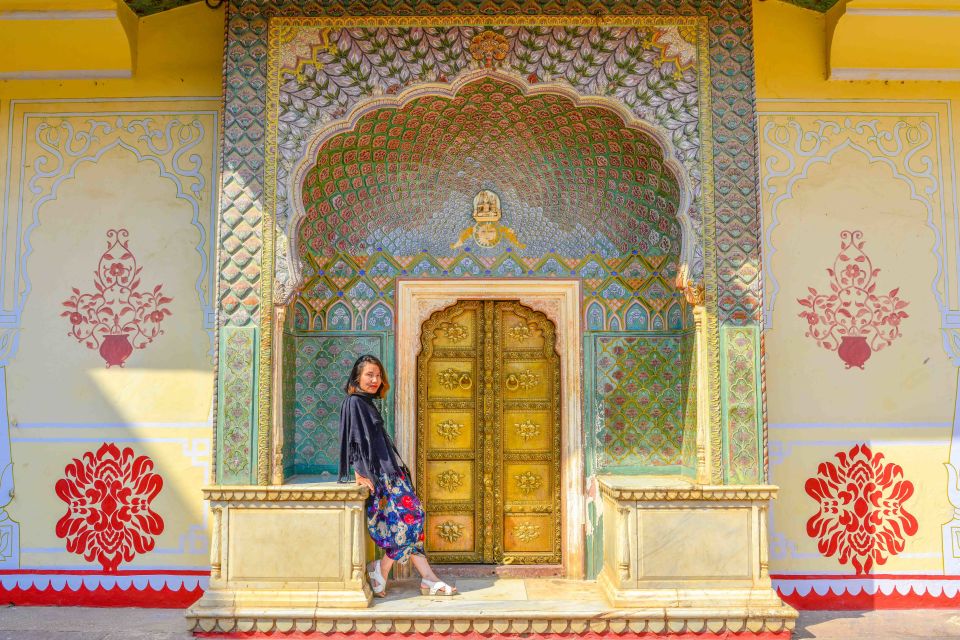
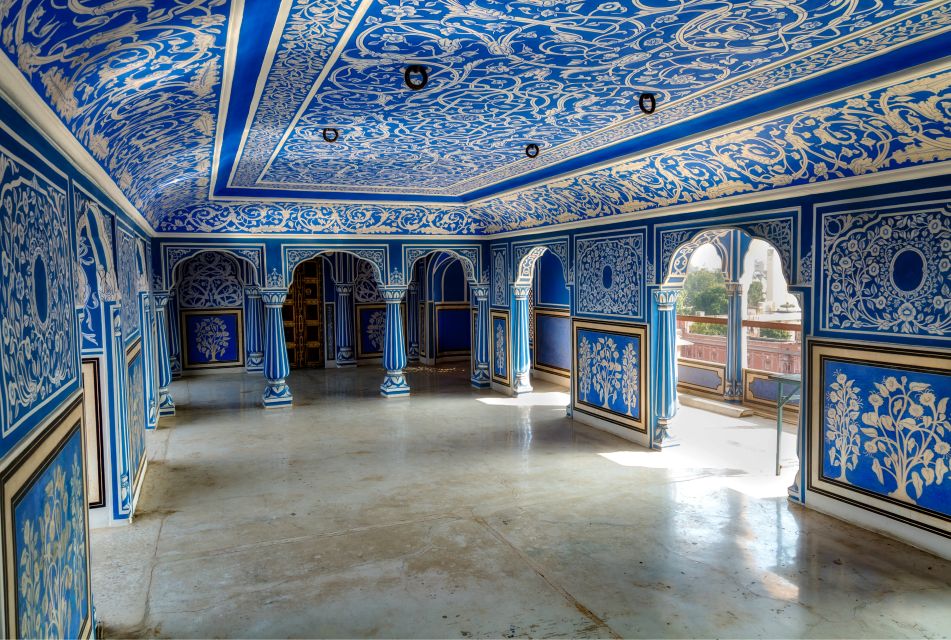
City Palace is where Jaipur’s royal story becomes physical. You’re visiting the former residence of the Jaipur royal family, and part of it operates as a museum. That combination is key: you’re not looking at things from behind a rope with zero context. You’re in the setting that explains the collection.
Expect to see royal costumes, weapons, and artifacts. These aren’t random “museum items.” They connect to the way the court lived, what it valued, and the political identity of the Rajput rulers. Even if you’re not a history superfan, the objects help you read the architecture more intelligently.
With a guided setup, you also avoid the common problem: staring at rooms without understanding what you’re looking at. A good guide points out patterns—how status was displayed, how spaces were organized, and what’s worth your time versus what’s just part of the backdrop.
The best reason to do City Palace first
Doing City Palace early in the tour works. It sets the tone. Then Jantar Mantar makes more sense. Then Hawa Mahal lands like a famous result of royal life and design priorities.
If you show up with energy, you’ll get more out of those transitions.
Jantar Mantar: UNESCO Astronomy You Can Actually Understand
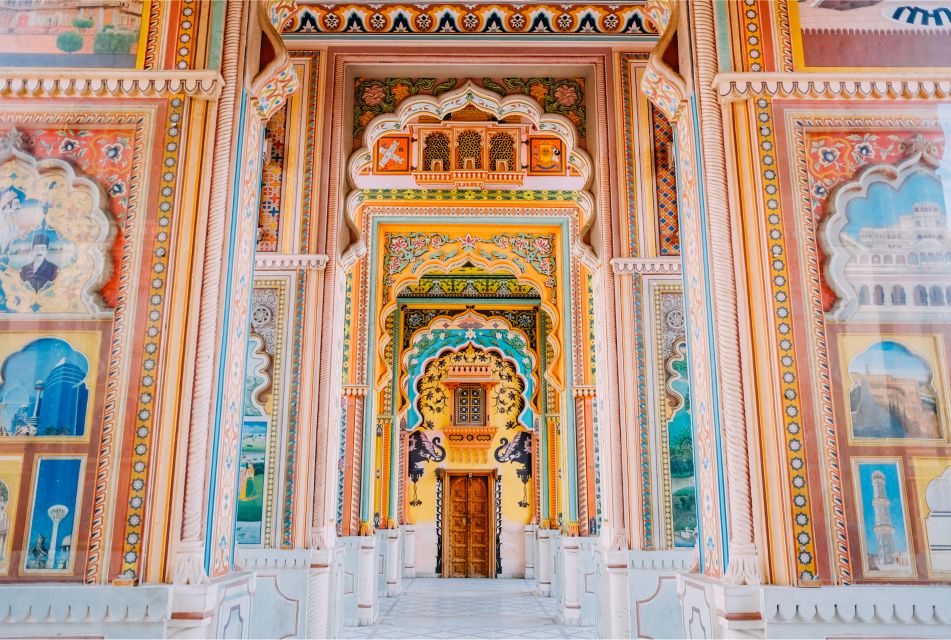
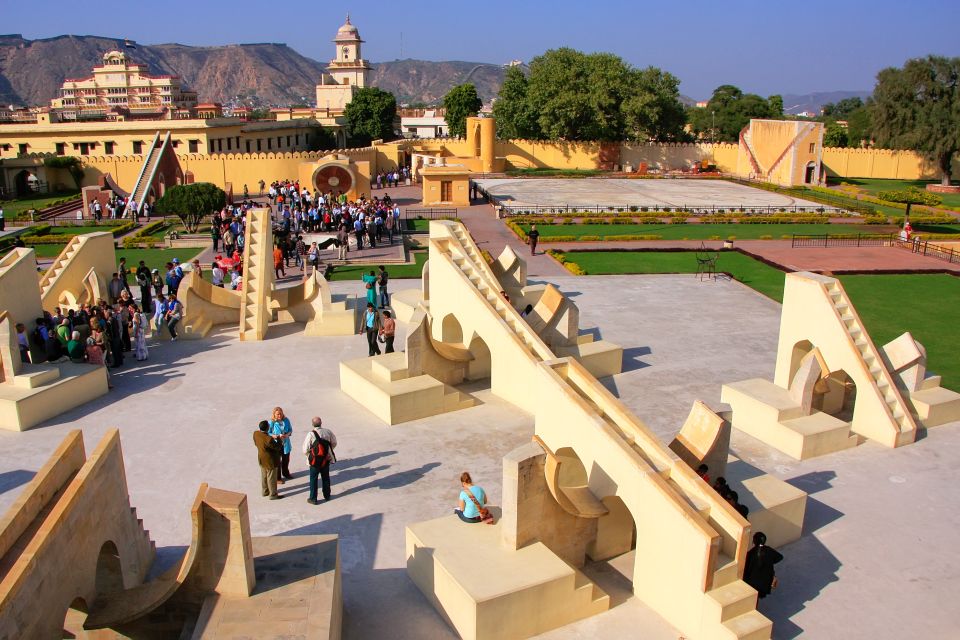
Jantar Mantar is one of those UNESCO stops where the name sounds technical, but the experience is strangely human. The site is an astronomical observatory with a collection of ancient instruments.
The big hook here is the instrument design. You’ll learn how the tools were built to measure celestial events and time observations. One highlight is the world’s largest stone sundial, designed for precise solar tracking. That detail alone helps you understand why this isn’t just old stone art.
A good guide makes Jantar Mantar click. You’ll see the instruments and understand what they’re for, instead of just walking around looking for explanations. The goal isn’t to solve astronomy puzzles on the spot. It’s to grasp the clever logic behind the shapes and measurements.




Why it’s worth your hour
In a short day, you might think Jantar Mantar would feel rushed. Instead, it’s often one of the most memorable stops, because it gives you a different side of Jaipur. Royal heritage gets a lot of attention, sure. But this is Jaipur showing it could be scientific and practical at the same time.
Hawa Mahal: 953 Windows, and How to Get the Right Photo Angle
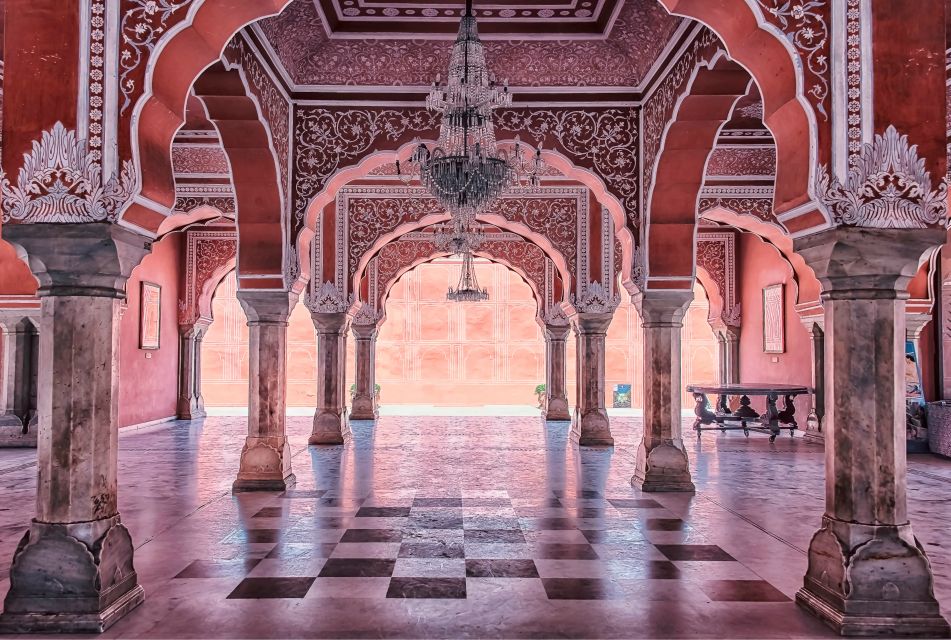
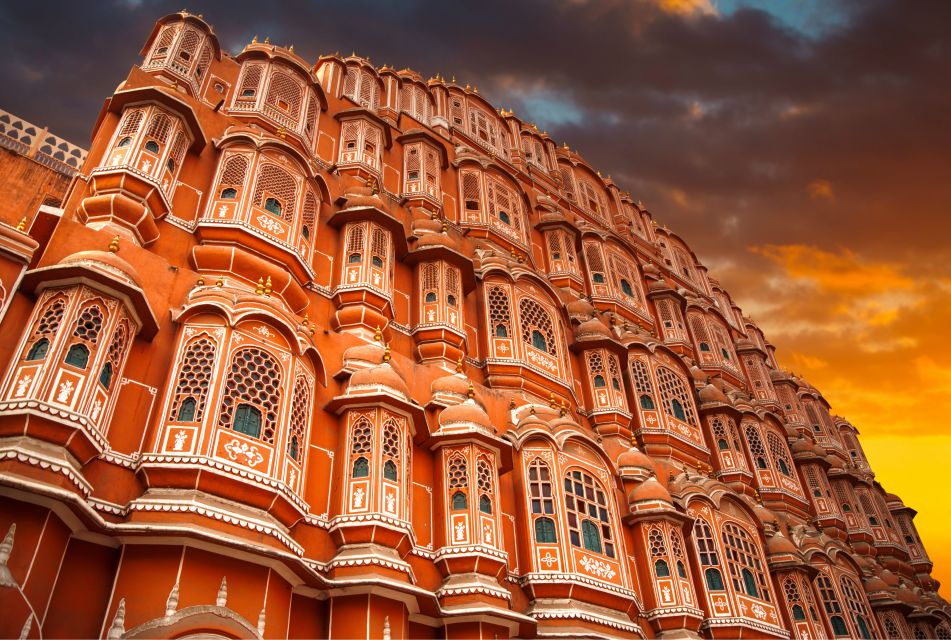
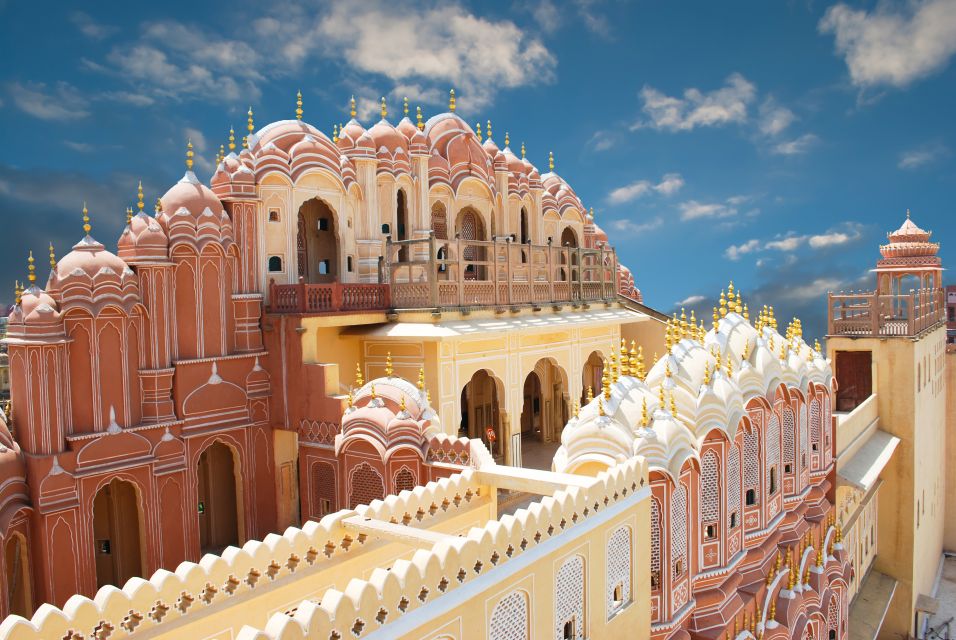
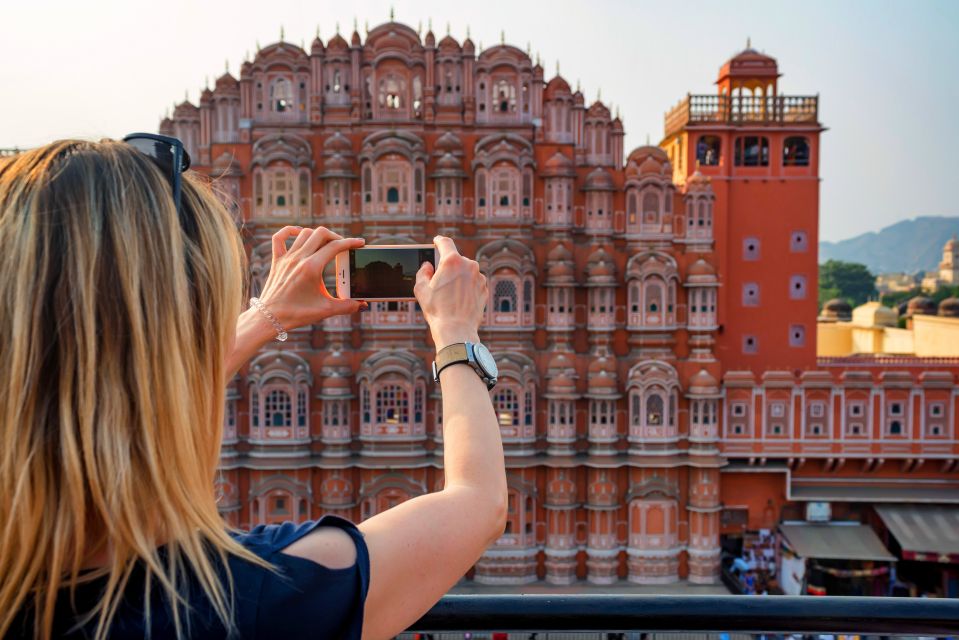
Hawa Mahal is the Jaipur landmark most people picture instantly. It’s the Palace of Winds, built in 1799, famous for its honeycomb-like façade and 953 small windows.
The windows aren’t just decorative. The design helped royal women watch city life while staying unseen from street level. That idea turns the architecture into something social, not just scenic.
Your stop here is about 30 minutes, so you’ll want to move with purpose. This is where a guide’s photo help matters. One of the strongest recurring benefits from guides is that they find the right spot for classic views without you spending your precious time walking around guessing.
If you like photos, this is the moment. You’ll likely spend part of that time learning what you’re seeing, and part of it getting pictures that match the famous façade.
A small reality check
Because the stop is short, you won’t get endless roaming time. Treat it like a photo-and-context sprint. Wear comfortable shoes. If you want extra time here, ask your guide to slightly rebalance the order or spend an extra few minutes at the viewpoint.
Jal Mahal at Man Sagar Lake: The Water Palace Photo Stop
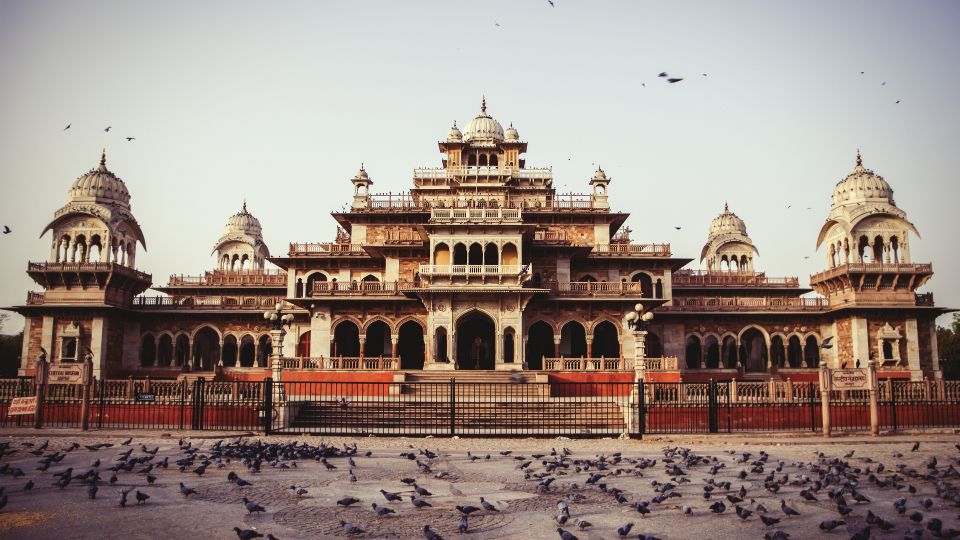
Jal Mahal is the “wait, how is that floating?” stop. It’s the Water Palace, sitting in the middle of Man Sagar Lake. Even without entry inside, it’s still one of the most photogenic breaks on the route.
You’ll have about 30 minutes here. That’s enough time for scenic photos and a breather before the day wraps up. Since the palace itself isn’t open for you to go inside, think of this as a visual pause rather than a full attraction.
Best way to enjoy Jal Mahal
Come ready for atmosphere. This stop tends to work best when you slow down for a few minutes and let the lake-and-palace composition sink in. If you’re the type who likes to photograph reflections or silhouettes, this is your likely payoff moment.
Lunch Break: A Real Meal Without Wasting the Day
You’ll get a lunch stop of around 45 minutes at a recommended multi-cuisine restaurant, if you select the lunch option. The idea is simple: fuel up so the last monument doesn’t feel like a chore.
The menu mix is flexible—Rajasthani flavors or international dishes are both possible depending on what the restaurant offers that day and what the guide recommends. If you’re adventurous, try something regional. If you’re coming off a long travel day, an international option can be a sanity saver.
Quick lunch strategy
Aim for something not too heavy. You still have photos to take, and walking under sun can be tiring after a big meal. Also, if you want to buy water or snacks, build it into your 45 minutes so you don’t lose time later.
Price and Value: What $28 Usually Buys You
At around $28 per person, this tour can be good value if your goal is to see major Jaipur highlights without planning logistics yourself.
Here’s what adds up:
- Pickup and drop-off from anywhere in Jaipur
- Private air-conditioned vehicle
- A private government-approved guide
- Bottled water
- Skip-the-ticket-line
- Entry fees for monuments if you picked the option
- Lunch if you picked that option
Even if you’re a careful shopper, the private vehicle plus guide time is often where the savings really come from. Jaipur sites are spread out enough that figuring out transport and ticket timing on your own can easily turn a half-day plan into a half-day headache.
That said, check your option selections. If you don’t choose entry fees or lunch, you’ll still get the core guided circuit and transportation, but you’ll pay those parts separately.
The guide quality factor
The strongest reviews emphasize guides who speak clearly, explain with stories, and handle timing well. Names like Kamlesh Sony, Brijesh, Irfan Ali, Kishor, and Brajesh show up with praise for knowledge and for pacing that feels comfortable. One standout theme is photo support—guides helping you find the right angle, not just pointing vaguely at a building.
Practical Tips to Make Your Jaipur Day Easier
A few small things can make a big difference in a half-day format.
- Bring passport or an ID card as requested. This matters for entry-related processes.
- Wear shoes that handle walking and minor uneven ground. You’ll move between stops and viewpoints.
- Use the car time well. If the guide offers a quick briefing before you arrive, listen and get oriented. It helps you “read” what you’re about to see.
- If photos are a priority, tell the guide early. Guides often tailor the photo schedule when they know what you care about.
- If you’re planning to add Amber Fort, ask early. Some guides have shown they can adapt the tour, but you’ll get the smoothest outcome when you request it with enough notice.
Who This Tour Suits Best (and Who Might Want More Time)
This tour is a smart fit if you:
- Have only half a day in Jaipur
- Want a guided overview of major sights without navigating on your own
- Like a mix of royal culture (City Palace, Hawa Mahal) and architecture/science (Jantar Mantar)
- Want photo-friendly stops built into the schedule
It may not be ideal if you:
- Want long museum time or slow wandering
- Hate photo stops that feel “on the clock”
- Prefer sites where you can spend a big chunk of time inside (remember: Jal Mahal isn’t an inside visit)
One extra note: some guests have successfully adjusted the plan to include additional highlights like Amber Fort. If that’s your dream itinerary, you’ll likely have the best outcome when you talk to your guide about what’s possible.
Should You Book This Jaipur City Tour?
If you want a first-pass Jaipur plan that hits the big names and keeps logistics under control, I’d say yes—this is exactly the kind of tour that works when time is limited. You get the core sights, a private guide, a comfortable ride, and a realistic rhythm that doesn’t turn your day into a transport marathon.
Book it if:
- You value clear guiding and good photo positioning
- You like having your schedule handled
- You’re okay with a fast pace across several top landmarks
Skip it (or ask to adjust) if:
- You want deep time in one site instead of a “best-of” circuit
- You’re primarily motivated by interior access, since Jal Mahal is not for inside exploring
FAQ
What is the duration of the Jaipur city tour?
The tour runs for about 5 hours.
What time does the tour usually start?
Departure times are available between 8 AM and 12 Noon.
Where can pickup and drop-off happen?
Pickup and drop-off are available from anywhere in Jaipur, including hotels, the airport, the train station, or another address you provide.
Is the tour private?
Yes. You’ll have a private city tour with a private government-approved guide and a private air-conditioned vehicle.
What are the main stops on the tour?
The tour includes City Palace, Jantar Mantar, Hawa Mahal, and Jal Mahal, with lunch at a local restaurant if that option is selected.
Can I go inside Jal Mahal?
No. It’s described as a photo stop, and entry inside is not permitted.
Is lunch included?
Lunch is included only if you select the lunch option.
Are entry fees included?
Entry fees for the monuments are included only if you select the entry-fees option.
What languages are available for the live guide?
Live guides are available in English, Hindi, Spanish, Russian, Italian, German, French, Chinese, and Japanese.
What should I bring for the tour?
Bring your passport or an ID card.
Is there wheelchair accessibility?
Yes, the tour is wheelchair accessible.