REVIEW · AMER INDIA
Jaipur: Half-Day or Full-Day Tour with Flower Market
Book on GetYourGuide →Operated by Jaipur Tour Taxi · Bookable on GetYourGuide
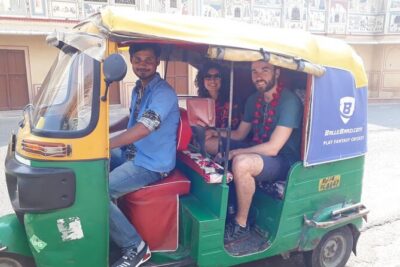
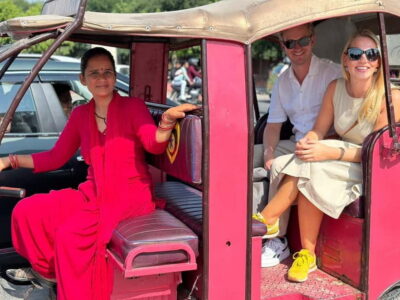
One quick ride and Jaipur starts making sense fast. This tour pairs a private tuk-tuk loop with key sights like the Flower Market, Amber Fort, and Hawa Mahal, so you’re not guessing what to see or how long it takes.
I like two things most: first, you get a smooth circuit that saves time in traffic while still stopping at real landmarks. Second, the stop at a block printing studio turns a typical souvenir stop into an art demo and hands-on moment you can actually use later.
One thing to plan for: entrance fees to monuments are not included, so your final spend depends on which sites you enter and how long you linger.
In This Review
- Key highlights worth your attention
- The tuk-tuk route that actually fits Jaipur
- Flower Market at 7:00 AM: what you’ll notice first
- Royal Gator Tumba and Jal Mahal: history plus perspective
- Amber Fort: the hilltop complex you’ll remember
- Panna Meena Stepwell: the water stop people miss
- Block printing studio: a craft you can actually repeat
- Hawa Mahal to Jantar Mantar: the Old Walled City loop
- Guide style and private tuk-tuk pacing (the real value)
- Price and logistics: what $3.40 really means for your day
- What to watch for: comfort, rules, and pacing
- Who this Jaipur Flower Market tuk-tuk tour suits best
- Should you book this Jaipur Flower Market tour?
- FAQ
- Where does the tour start and end?
- What’s included in the tour price?
- Are entrance fees to monuments included?
- How long is the tour?
- What time do you visit the Flower Market?
- Is the tour suitable for everyone?
Key highlights worth your attention
- Flower Market at 7:00 AM: go early and catch the rush when colors and aromas are at their strongest.
- Amber Fort + Panna Meena Stepwell: you see the hilltop complex and the stepped waterwork right nearby.
- Block printing studio: learn the process and try it, not just watch from the sidelines.
- Old Walled City icons: Hawa Mahal, City Palace, and Jantar Mantar stay close enough to feel efficient.
- Private tuk-tuk pacing: you cover a lot without feeling stuck on a rigid bus schedule.
The tuk-tuk route that actually fits Jaipur
Jaipur is big, spread out, and full of stops that are all worth seeing. That’s exactly why this format works: a private tuk-tuk lets you move between sights without losing half your day to logistics.
The tour also gives you two lengths—half-day for time-crunched days and a full-day option if you want more breathing room. Either way, the flow is designed like a loop: start near Hawa Mahal, hit the major landmarks, and return to the same meeting point.
What makes it feel practical is the pace. You’re not just “passing by.” You stop, look, ask questions, and get short time on each place so you can build a real mental map of Jaipur.
You can also read our reviews of more tours and experiences in Amer India.



Flower Market at 7:00 AM: what you’ll notice first
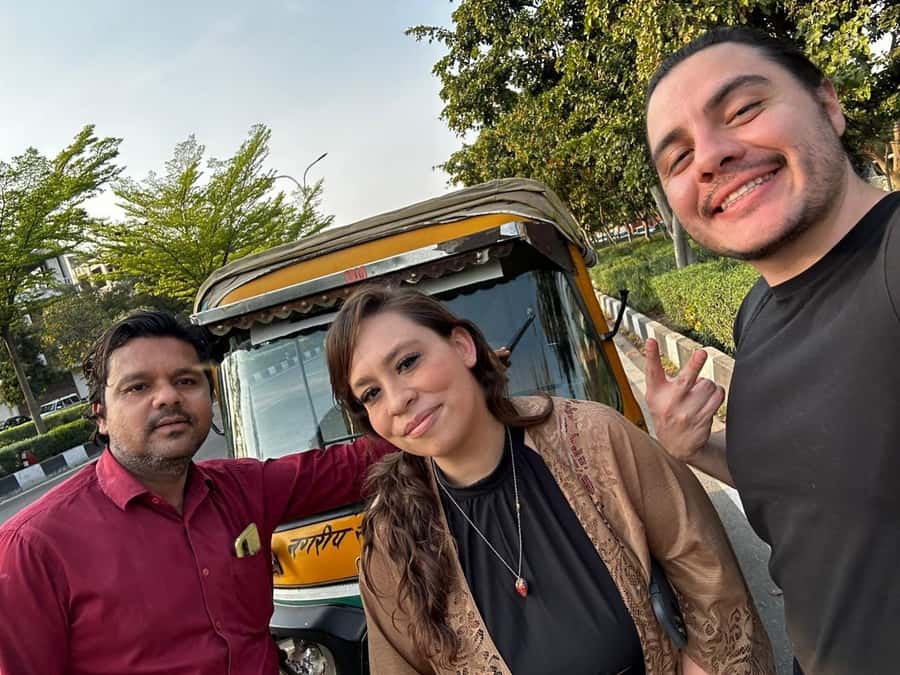
The day starts at 7:00 AM with a visit to Jaipur’s Flower Market area. If you like sensory travel—color, smell, and everyday street activity—this is where Jaipur wakes up.
The market is busy with vendors and different types of blossoms, and it’s easy to drift into photo mode once you see the scale of it. I’d come with comfortable walking shoes and a camera ready, because you’ll want to capture the stalls and the bright displays from multiple angles.
Quick consideration: markets can be crowded and sometimes windy. Bring light layers (cool morning air fades fast) and don’t plan to spend forever here unless you’re doing a full-day tour.
Royal Gator Tumba and Jal Mahal: history plus perspective
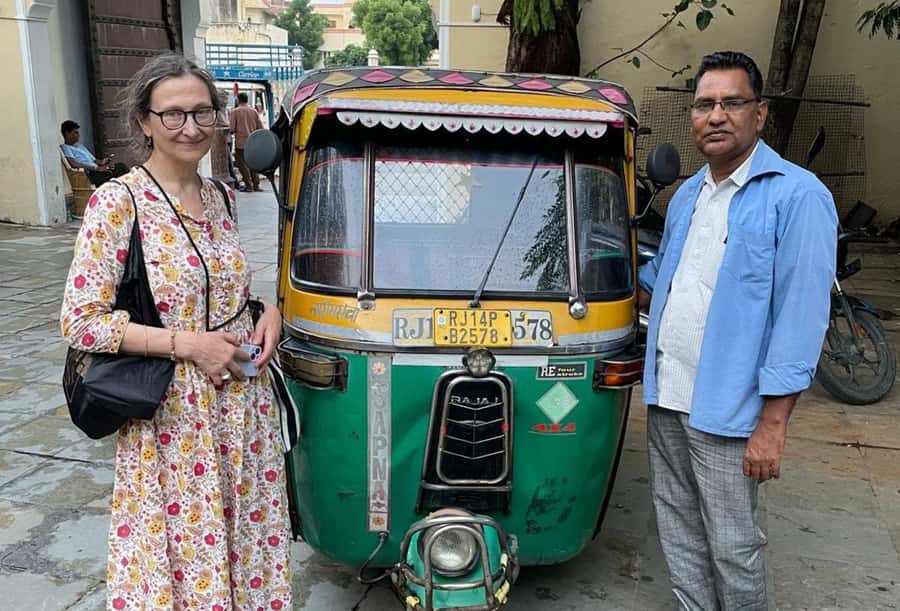
After the market, the route heads to Royal Gator Tumba, a historically significant cremation ground linked to the Kachwaha Rajput rulers of Jaipur. This stop adds context that makes later monuments feel less like isolated photo ops and more like part of one story.
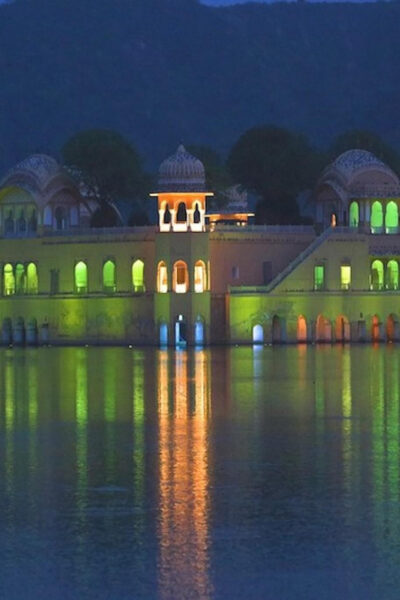
Then you move to Jal Mahal, the palace sitting in Man Sagar Lake. Even from the viewpoints along the route, the setting is part of the appeal. It’s one of those Jaipur scenes where you understand why locals built here in the first place—water, symmetry, and the dramatic contrast between palace and lake.
A practical note: if the light is harsh, shots of Jal Mahal can shift quickly. If you’re serious about photos, stand where you can see the water angle and try a couple of quick frame changes rather than waiting for perfection.
Amber Fort: the hilltop complex you’ll remember
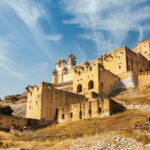
Next comes Amber Fort, a UNESCO World Heritage Site perched on a hill. This is one of the biggest “wow” stops on the circuit, partly because the fort isn’t just one building—it’s a whole complex with courtyards, gardens, and temples.
You also get time to walk inside the fort areas and notice how the layout supports daily movement. The elevation changes your view every few minutes, so even short wandering feels rewarding.
If you’re the type who likes to understand what you’re seeing, this is a good moment to ask your driver guide for short explanations as you move between sections. The more you know, the less it feels like walking through a set of walls.
Panna Meena Stepwell: the water stop people miss
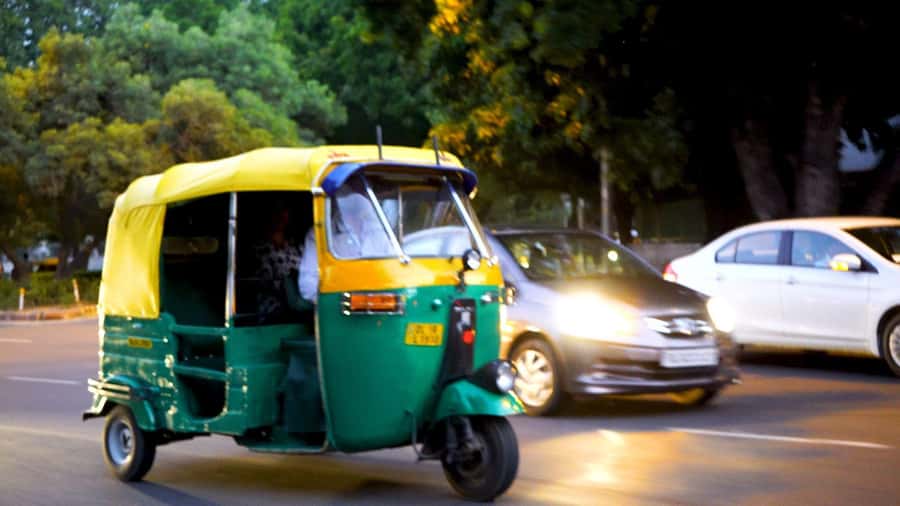
Near Amber Fort, the route includes Panna Meena Stepwell. Stepwells are practical architecture dressed up as engineering, and that makes this stop more interesting than it sounds.
What I like about adding it near Amber is that it breaks the day up. Forts can be overwhelming visually; the stepwell gives you a different kind of structure to look at, one where you notice details like steps and symmetry instead of only courtyards and towers.
You’ll want good shoes here, because stepwells involve stairs and uneven ground in many places. If you prefer minimal walking, aim to move at your own pace and don’t rush for photos.


Block printing studio: a craft you can actually repeat
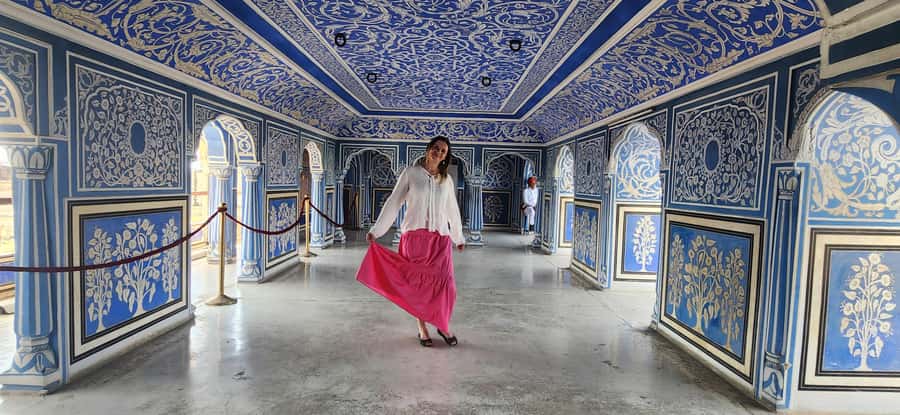
One of the most-loved parts of this tour is the stop at a hand block printing studio. This isn’t just a shop. You get a chance to learn the techniques, watch skilled artisans at work, and try the process yourself.
Why that matters: Jaipur is famous for crafts, but it’s easy to leave with a pretty object and no real understanding. Here, you pick up how designs transfer to fabric and how multiple steps work together.
If you care about souvenirs that don’t feel generic, this is the best-value add-on. Even if you don’t buy anything, the learning experience makes your day feel more personal.
A small practical tip: wear clothes you’re comfortable with while you’re watching demonstrations. In studios, dust and dye smells can hang around, and you’ll probably be close enough to see how it’s done.
Hawa Mahal to Jantar Mantar: the Old Walled City loop
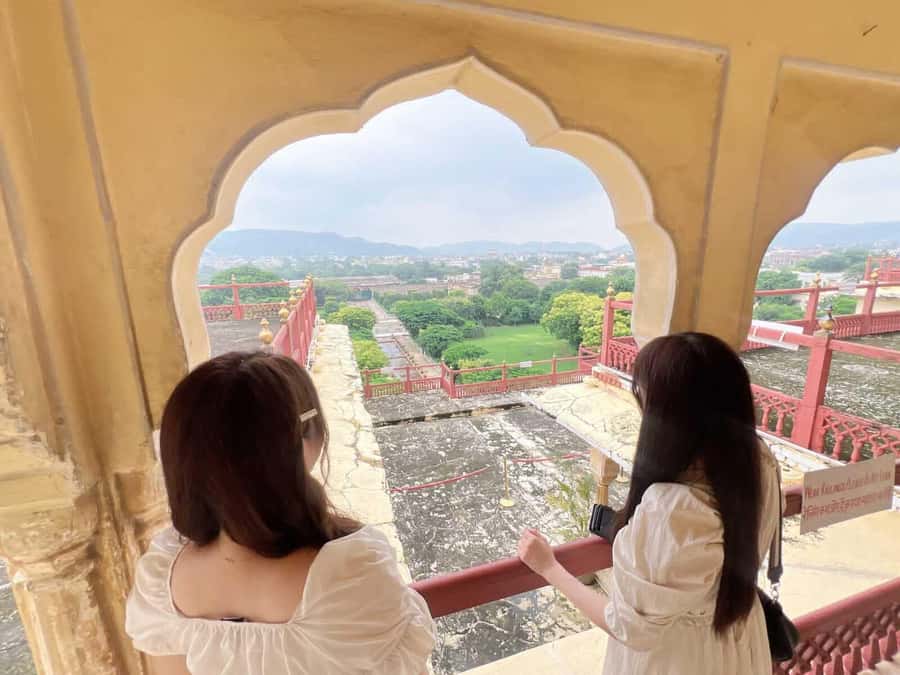
After the craft stop, the tour moves back toward the core sights inside and around the Old Walled City.
First up is Hawa Mahal, the iconic facade known for its intricate architecture. It’s the kind of building where your first look gives you the idea, but your second look shows why it’s famous. Pay attention to the window design pattern as you walk around the area.
From there, you’ll visit City Palace, where the scale feels more like a royal complex than a single museum stop. Then comes Jantar Mantar, located directly across from City Palace—built for astronomy and ancient Indian scientific design.
This pairing is smart. You’re not only doing “monuments.” You’re seeing different ways Jaipur expressed power: visual splendor at Hawa Mahal and City Palace, and measurement and observation at Jantar Mantar.
If you like structure, take a moment to look for repeating shapes and alignments at Jantar Mantar. Even a brief understanding helps you appreciate why these instruments were designed the way they were.
Guide style and private tuk-tuk pacing (the real value)
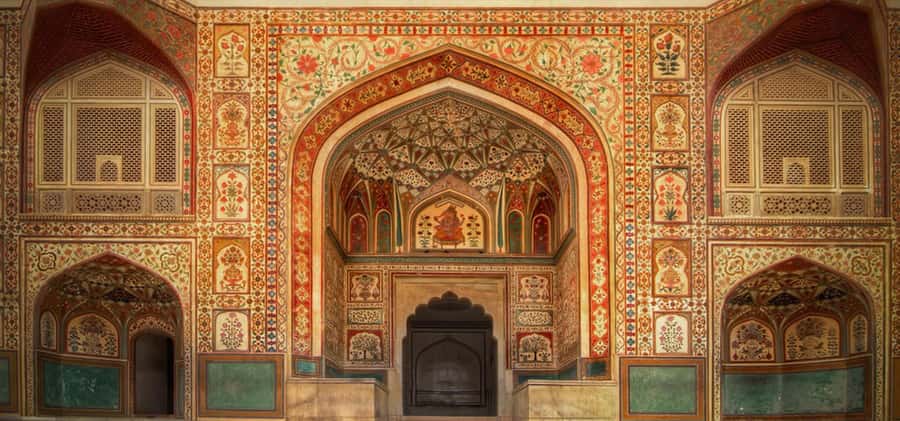
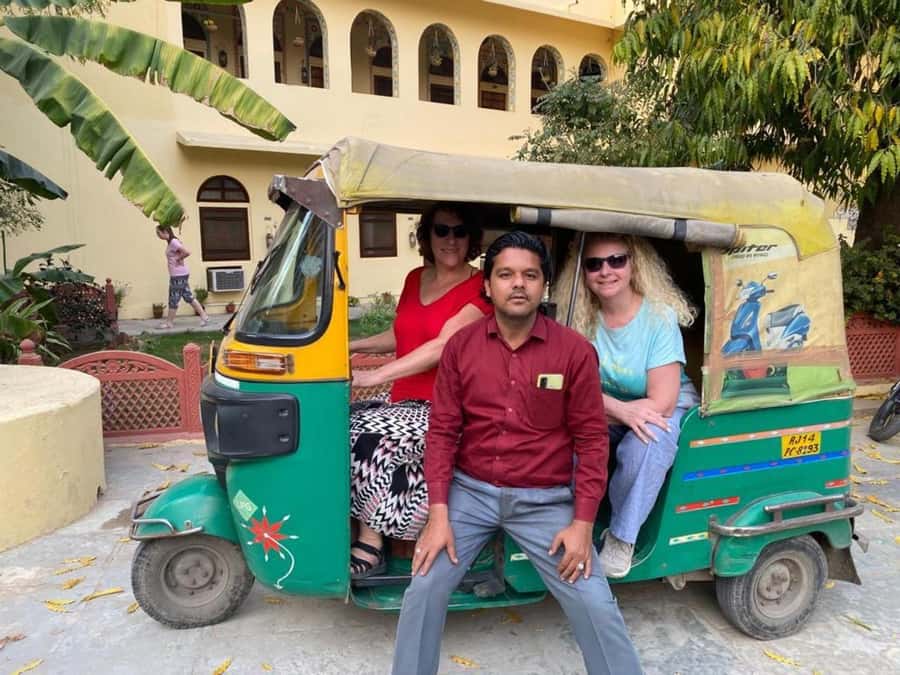
This tour runs with a private tuk-tuk and a driver, and you can add a tour guide in English if you select that option. Either way, you’re paying for the ability to get from one major stop to another without friction.
The quality varies by driver, but the feedback patterns are strong. Names that come up repeatedly include Ali, Abdul, Ballu, Sherif, and Max. You can also expect friendliness and patience: chai and water show up often, and some drivers are praised for adding extra time to keep you comfortable and get you back safely.
I like the balance here: you’re offered stops in the flow, but you’re not trapped on a rigid script. One of the most practical things is that the driver typically helps you move through the sights with an easygoing rhythm, which matters in places that can feel hectic.
Price and logistics: what $3.40 really means for your day
At $3.40 per person, this feels like a low-cost way to cover a lot of Jaipur. Transport by private tuk-tuk, hotel or airport pickup and drop, bottled water, fuel and taxes, and tea or coffee with snacks are included.
Here’s the trade-off to understand: entrance fees are not included. So your final “true cost” depends on what you enter. If you’re the type who likes to step into every major site, you’ll spend more. If you’re okay with exterior viewing and short stops, you’ll spend less.
Time flexibility is another hidden value. You choose half-day or a longer day, and that affects how rushed the fort and market stops feel. If Jaipur is new for you, I lean toward the longer option. It gives you time to absorb rather than just check boxes.
What to watch for: comfort, rules, and pacing
This tour asks for a few basic planning choices:
- Bring comfortable shoes and comfortable clothes, especially if you’re doing more walking at Amber Fort and the stepwell.
- Bring a passport or ID card.
- You can bring a camera, but keep it practical—handheld, ready, and easy to carry during short moves.
There are also clear restrictions: no luggage or large bags, and no pets. Also, it’s not suited to pregnant women or people with pre-existing medical conditions. If any of those apply, you’ll likely want a different pace or a different kind of tour.
Finally, expect a day with several stops. Even with private transport, it’s still a multi-location route, so plan for heat and walking, and don’t overbook dinner plans immediately afterward.
Who this Jaipur Flower Market tuk-tuk tour suits best
This is a great pick if you want a fast grasp of Jaipur’s top highlights without hiring multiple rides or building a DIY itinerary.
It also fits:
- Solo travelers who want an easy structure and a driver who can explain what you’re seeing.
- Couples and small groups who want a shared day but prefer more flexibility than a big group bus.
- Craft fans who enjoy workshops, especially block printing.
If you’re traveling with very limited stamina, the fort and stepwell walking might be tough, even with a tuk-tuk between sights. In that case, you might consider asking for pacing that prioritizes fewer interior areas.
Should you book this Jaipur Flower Market tour?
Book it if you want an efficient Jaipur day with the right mix of landmarks and craft. The Flower Market timing, the Amber Fort focus, the block printing studio, and the Old Walled City loop make this feel like a real introduction to Jaipur rather than a random list of stops.
Skip or rethink if you’re counting on entrance fees being included, or if you need minimal walking for comfort. Also note that for the best experience, you’ll want to be ready for a full circuit day where you’re constantly moving between major points.
If your goal is to get your bearings fast and see the icons plus something hands-on, this is a strong choice.
FAQ
Where does the tour start and end?
The guide meets you at the designated meeting point at Hawa Mahal, and the activity ends back at the same meeting point.
What’s included in the tour price?
Included are hotel/airport pickup and drop, a private tuk-tuk with driver, tour guide (if you select that option), bottled water, tea/coffee with snacks, and fuel, taxes, and handling charges.
Are entrance fees to monuments included?
No. Entrance fees to the monuments are not included.
How long is the tour?
You can choose half-day or full-day. The short tour is listed as about 6 hours, and the full experience is described as a 5 to 8 hour tuk-tuk circuit.
What time do you visit the Flower Market?
The schedule lists a stop at the Flower Market at 7:00 AM.
Is the tour suitable for everyone?
It’s listed as not suitable for pregnant women and not suitable for people with pre-existing medical conditions. It also does not allow pets and does not allow luggage or large bags.