REVIEW · JAIPUR
From Delhi : Private 3 Days Golden Triangle Tour by Car
Book on GetYourGuide →Operated by Agra Trip Packages · Bookable on GetYourGuide
Sunrise changes your whole rhythm. This Delhi–Agra–Jaipur trip strings together sunrise Taj Mahal and a live tour escort with skip-the-line entries and a smooth private car, so you spend your limited days seeing more real sites. I also like that the day-to-day plan is built for history and contrast, from Mughal monuments in Delhi to Rajput palaces in Jaipur. The one drawback to note is that rooms are on a sharing basis, so if you want privacy, you may feel the squeeze.
The route is a classic Golden Triangle for a reason: you get big landmarks and the smaller details that explain how power, faith, and daily life mixed across empires. You start in Delhi with Mughal-era landmarks like Humayun’s Tomb and Jama Masjid, then the tour turns toward Agra for the main act, before finishing in Jaipur with forts and royal-city stops.
In This Review
- Key highlights worth planning around
- How this 3-day Golden Triangle tour actually feels
- Delhi half-day: India Gate to Chandni Chowk in one tight run
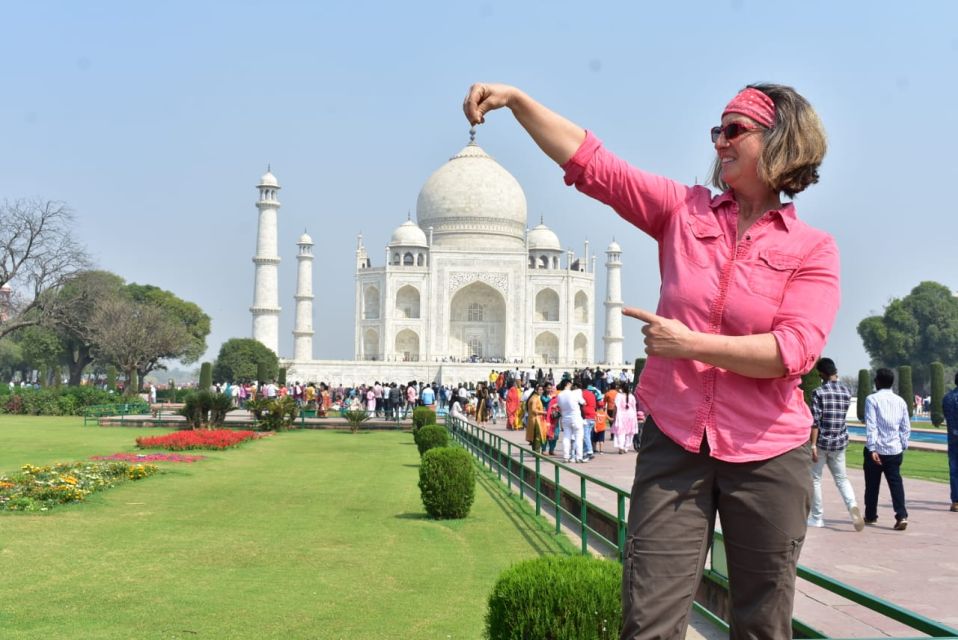
- The Taj Mahal at sunrise: why early timing matters
- Agra Fort: the Mughal power story behind the main attraction
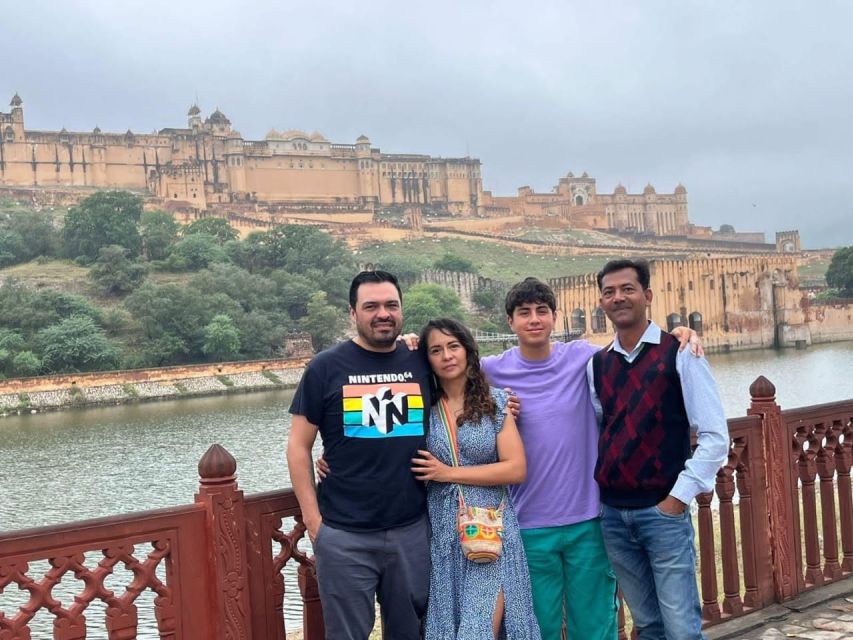
- Jaipur’s first look: Amber Fort and Jal Mahal viewpoints
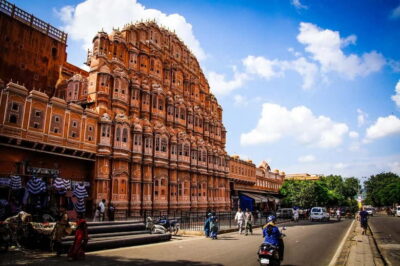
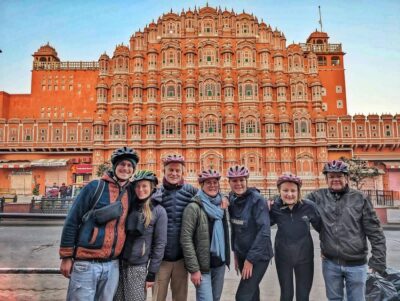
- Hawa Mahal, City Palace, and Jantar Mantar with time to look
- The people side: guides, escorts, and practical driving
- Car time, room sharing, and what you should pack
- Meals, entrances, and the real value question
- Who this tour suits best (and who should think twice)
- Should you book this Delhi–Agra–Jaipur car tour?
- FAQ
- Where do I get picked up for this tour?
- What sightseeing is included in Delhi on Day 1?
- Are entrance fees included for monuments?
- Is lunch included during the tour?
- What happens on Day 2 in Agra and then Jaipur?
- What are the Jaipur stops on Day 3?
- Is there a live guide, and what languages are offered?
- Are cameras and video fees included?
Key highlights worth planning around
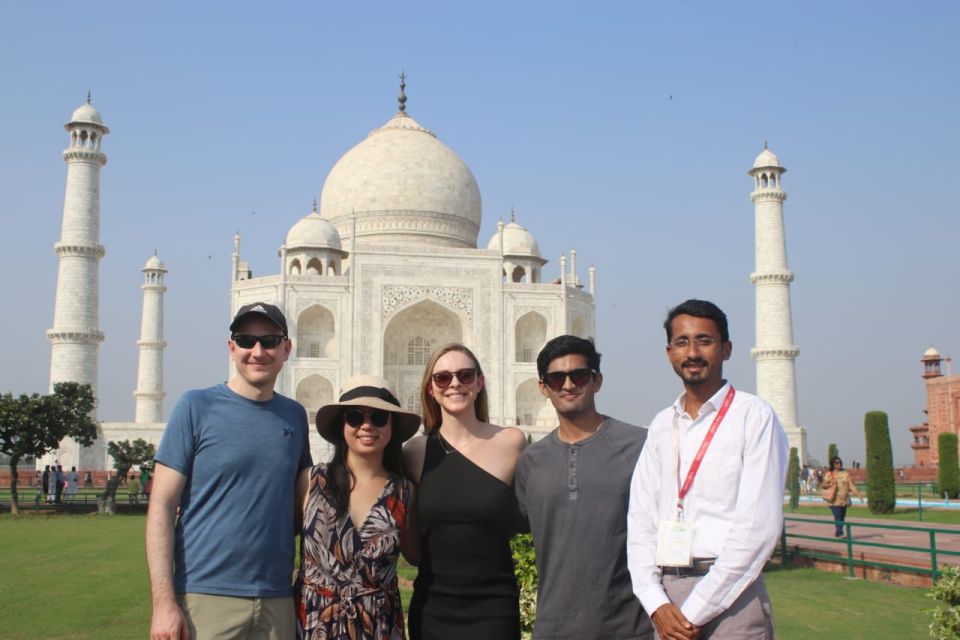
- Sunrise Taj Mahal with a guided visit, timed to help you beat the worst crowds.
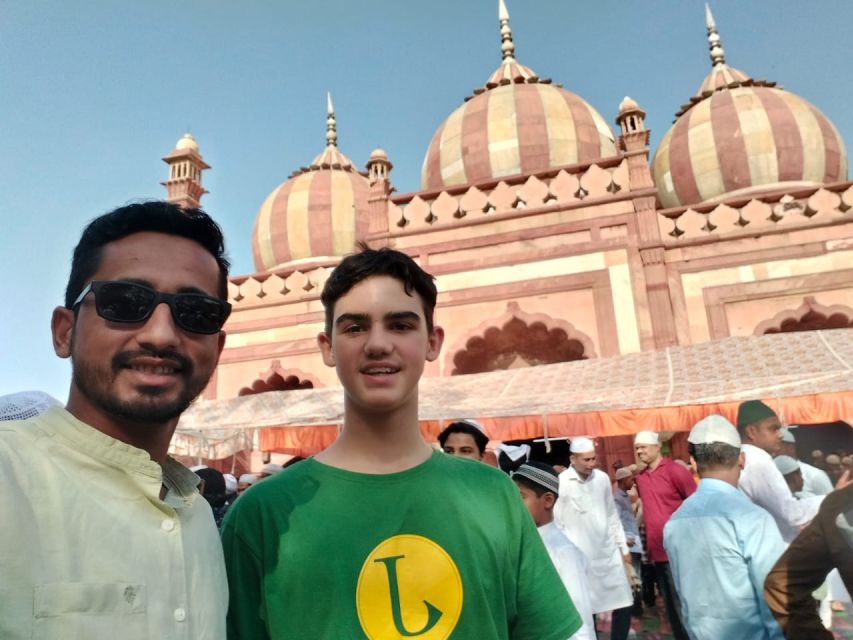
- Delhi’s full Mughal and imperial hits in one half-day run: India Gate, Rashtrapati Bhavan area, Gandhi Smriti, Humayun’s Tomb, Jama Masjid, and Chandni Chowk.
- Agra Fort plus Taj so you see more than just the mausoleum.
- Amber Fort and Jal Mahal for Rajput architecture and those water-and-stone views.
- Jaipur’s royal circuit including Hawa Mahal, City Palace, and Jantar Mantar, all with guide commentary.
- A government-approved escort experience and an on-the-ground guide who stays with you for the whole tour.
How this 3-day Golden Triangle tour actually feels
A Golden Triangle tour can either feel rushed, or it can feel like you’re following a story. This one leans toward story. You move by private air-conditioned car, with a guide and escort handling the flow, so you’re not stuck figuring out timing, routes, and entry points while you’re jet-lagged.
Day 1 is Delhi’s “big picture” tour: you sample monuments tied to India’s modern identity (India Gate, Rashtrapati Bhavan area, Gandhi Smriti) and older imperial eras (Humayun’s Tomb, Jama Masjid). Then you drive to Agra and sleep there. Day 2 starts with Taj Mahal in the morning light, then you add Agra Fort, before continuing on to Jaipur. Day 3 keeps Jaipur compact and finishes back in Delhi for drop-off.
If you like a guided pace—where someone explains what you’re seeing and you’re not just staring at stone—you’ll likely enjoy this. If you hate schedules, sunrise timing may feel like the trade-off.
You can also read our reviews of more private tours in Jaipur



Delhi half-day: India Gate to Chandni Chowk in one tight run
Delhi can be overwhelming. This itinerary helps by grouping stops that tell connected stories instead of scattering you across the city.
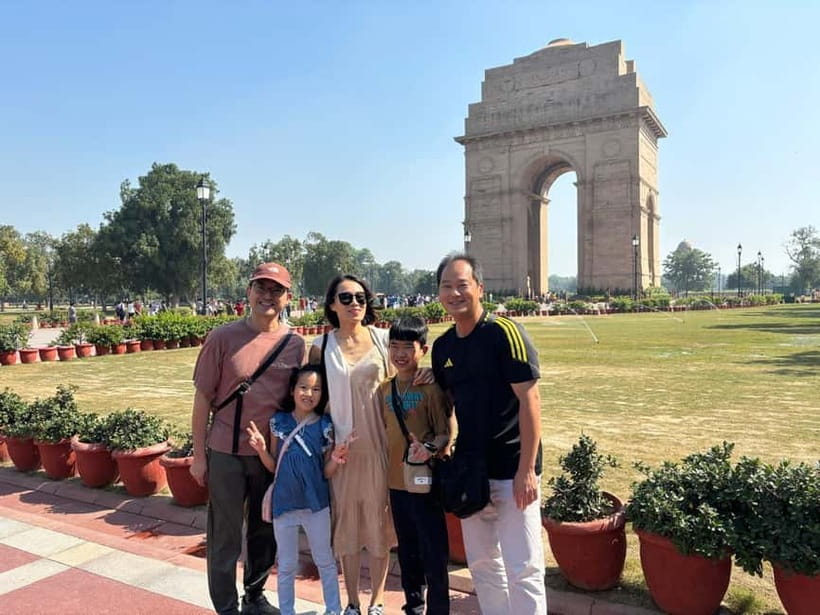
You begin with India Gate, a monument tied to India’s modern national memory. From there, you move toward the Rashtrapati Bhavan area, which helps you orient quickly to where government power sits in the city plan. Next comes Gandhi Smriti Museum—a strong stop if you like your history grounded in real places, not just dates.
Then the tour shifts back in time with Humayun’s Tomb. This is one of those sites where the architecture teaches you how the Mughal world shaped later design. After that, you visit Jama Masjid, one of Delhi’s major mosques, and then you end at Chandni Chowk, where the street texture tells you how daily life has always been part of the city’s history.
Two practical notes that matter in Delhi:
- Expect a lot of walking and standing, especially around the tomb and mosque areas.
- You’ll want your camera ready, but also check rules on photo equipment onsite (some places have extra charges or restrictions).
The Taj Mahal at sunrise: why early timing matters

Let’s be honest: most people come for the Taj Mahal and only remember the photos. This tour’s setup is meant to change that by pushing you into morning viewing. Sunrise doesn’t just mean prettier light. It usually means calmer entry, fewer queues, and a better chance to slow down and actually watch the building react to changing daylight.
You get a guided, roughly 3-hour Taj Mahal visit. The guide’s job here is not to recite trivia, but to help you read the monument: symmetry, materials, calligraphy, the way the complex is laid out, and why the place still draws emotion from people who think they’ve already “seen it online.”
A practical edge: the tour includes skip-the-line entry via a separate entrance. That saves time that you’d otherwise spend standing in a queue—time you can use to look up, move a little, and take in details without rushing.
If you care about photos, sunrise is the easier path. You’ll still want to plan for cold or cool morning air depending on the season, and wear shoes you can walk in comfortably.
Agra Fort: the Mughal power story behind the main attraction
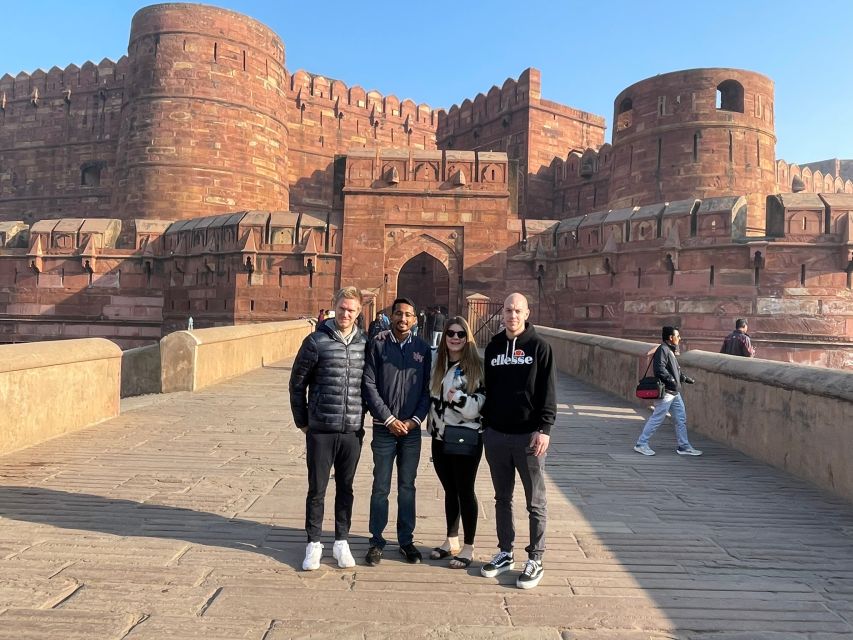
After Taj Mahal, the tour moves you to Agra Fort, a different kind of monument. Taj is about a specific love story and memorial architecture. Fort is about rule, defense, and control—an entire stronghold that helps explain why Agra mattered.
You get about 40 minutes here, guided. That time window is important: it’s long enough to understand the layout and highlights, but short enough to keep the day from turning into a marathon. If you like broad context, Agra Fort is the right counterbalance to Taj’s focus.
A quick reality check: forts mean stairs, uneven surfaces in places, and the kind of walking that adds up. If you’re traveling with mobility limits, you’ll want to pace yourself and use breaks when you can.
Jaipur’s first look: Amber Fort and Jal Mahal viewpoints

Jaipur is where the Golden Triangle shifts from Mughal grandeur to Rajput royal identity. You arrive in the afternoon/early evening and then the tour hits two sights that set the tone fast.
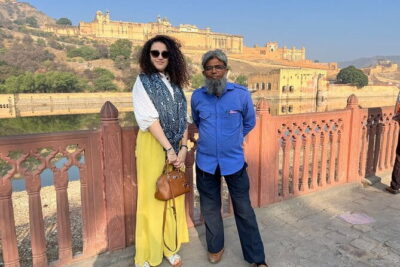
First is Amber Fort. The fort experience here is guided, around 40 minutes, so you’re not wandering without direction. You get a sense of how the architecture reflects power and how the fort connects to its surrounding landscape. The guide is also there to help you understand what you’re seeing—especially how the fort functions as more than a pretty backdrop.
Then there’s Jal Mahal (Water Palace). This stop is shorter—around 30 minutes—but it’s visually memorable. The point of Jal Mahal isn’t deep history time; it’s the contrast. You see a palace-like form framed by water, a reminder that royal spaces weren’t always about hard stone only.
If you’re doing this tour in a tighter season with heat, you’ll be thankful the plan doesn’t stack endless Jaipur stops in a single day. You get the right “wow” moments without turning every minute into an endurance test.
You can also read our reviews of more tours and experiences in Jaipur






Hawa Mahal, City Palace, and Jantar Mantar with time to look
Jaipur can feel like sensory overload if you hop between sites without help. Here, you get a structured day with the city’s core royal landmarks.
The itinerary includes Hawa Mahal and City Palace, plus Jantar Mantar (about 45 minutes guided). This is a smart mix:
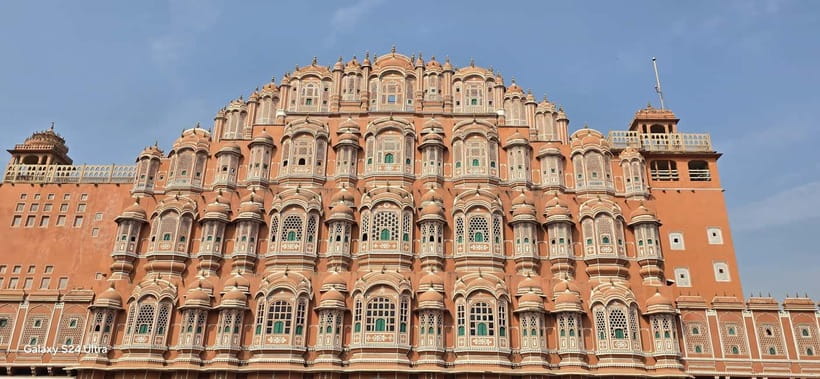
- Hawa Mahal helps you grasp how design can serve a social purpose—light, airflow, and royal visibility.
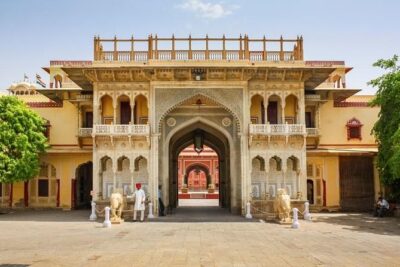
- City Palace gives you the feeling of an operating royal-administration space, not just an empty museum.
- Jantar Mantar adds the scientific side, where instruments connect mathematics, astronomy, and observation.
One thing I especially like about this style of tour is the pace. In at least one guest experience, the guide didn’t rush the Taj or try to speed-run points for the sake of a checklist. That matters on Jaipur too. When you’re given enough minutes, you can actually watch patterns in the architecture instead of just snapping one photo and moving on.
Also, you’ll have fewer pressure moments compared with tours that force long detours into shops. The plan stays centered on monuments and guide commentary.
The people side: guides, escorts, and practical driving
This tour wins points for its human layer. You’re not just handed a car and dropped at gates.
- You meet a government-approved tour escort at your pickup point.
- A live tour guide stays with you for the main sights.
- Languages can include English, Spanish, French, Japanese, German, Chinese, Italian, Russian, Urdu, Hindi, Arabic.
From the experiences shared by past travelers, you can also get a sense of the tone you might expect. One guide named Anjum reportedly reached out before the tour on WhatsApp to confirm details and answer questions. In Jaipur, a guide named Farman reportedly handled a special request for a visit to feed elephants with sugar canes at an elephant sanctuary. Another guide named Riyaz reportedly paced visits carefully and offered picture spots without pushing souvenir stops.
Then there’s the driving. Roads can feel chaotic, especially at peak times. One driver named Raj was praised for staying early, being present, and handling the route safely with defensive driving. That’s not a small detail. On this kind of multi-day trip, safety and timing reduce stress more than you’d think.
Car time, room sharing, and what you should pack
Private car tours are convenient, but they have trade-offs. You’ll spend time seated while the route moves you between cities and monuments. The good news is that the car is air-conditioned, and you get water bottles during the ride.
Rooms are on a sharing basis (double occupancy). For couples or friends who don’t mind sharing, it can keep costs down. For solo travelers who value privacy, it can be the reason to consider an alternative option.
What you should pack for comfort:
- Comfortable walking shoes (tombs, forts, courtyards add up).
- A light layer for early mornings if you’re sensitive to cool air.
- A small day bag that fits within rules at monuments.
- Sunscreen and a hat for open-sky sections like parts of forts and streets.
Also, remember the tour has rules about what’s not allowed: oversize luggage, pets (assistance dogs allowed), tripods, flashlights, and alcohol or drugs. If you plan to film, note that video camera fees may apply for parts of the program, and camera fees at Jama Masjid are not included.
Meals, entrances, and the real value question
The headline price can look tempting—listed at $10 per person—but value comes from what’s included and what you’re expected to pay yourself.
What you do get included:
- Pick up and drop off (from Delhi airport/hotel and NCR points listed).
- Round trip in an air-conditioned car.
- Entrance fees of all monuments.
- Live tour escort for the entire tour.
- Water in the cab.
- Taxes.
What’s not included:
- Meals (even if you stop for lunch during the day, you pay for it).
- Alcoholic beverages.
- Camera fees at Jama Masjid.
- Video camera fees for the tour activities.
- Personal expenses.
So the value story is: you pay less when monument access, transport, and guide time are handled for you, and you pay yourself for food and any optional extras. That can be a great deal if you plan meals budget-wise and want a guided path.
One more tip: if you’re budgeting, add a realistic amount for lunch breaks in Delhi and dinners in Agra and Jaipur. When meals aren’t included, your cost control depends on where you choose to eat at those stops.
Who this tour suits best (and who should think twice)
This is a strong fit if you:
- Have limited time and want Delhi, Agra, and Jaipur in one car-based flow.
- Prefer a guide who helps you read monuments instead of only following GPS.
- Want skip-the-line convenience at major stops, especially around Taj Mahal timing.
- Like a mix of Mughal and Rajput architecture and want the contrast explained.
It’s not a fit if you:
- Have heart problems (the tour isn’t suitable per the info provided).
- Need a fully private room arrangement, since rooms are on a sharing basis.
- Expect every meal to be included.
If you’re traveling with mobility concerns, note that the tour is listed as wheelchair accessible. You’ll still want to plan for uneven surfaces at forts and tomb areas, but the provider states accessibility support.
Should you book this Delhi–Agra–Jaipur car tour?
If you want a 3-day Golden Triangle plan that’s structured enough to reduce stress and guided enough to make the monuments make sense, I’d lean yes. The sunrise Taj Mahal timing, skip-the-line entry, and the combination of Delhi Mughal landmarks, Agra Fort, and Jaipur royal stops form a solid arc in a short trip.
Book it if you’re comfortable with room sharing and you don’t need meals included. Consider skipping or comparing options if you strongly value private accommodation or you know early mornings will be a real struggle.
If you do book, send a message with your questions in advance and clarify any needs around photography gear. And wear shoes that can handle forts—your feet will thank you.
FAQ
Where do I get picked up for this tour?
Pickup is available from your place of stay anywhere in New Delhi, and also from several NCR areas listed as pickup options, including airport-area points like Aerocity and city areas like Connaught Place.
What sightseeing is included in Delhi on Day 1?
Delhi sightseeing includes India Gate, Rashtrapati Bhavan, Gandhi Smriti Museum, Humayun’s Tomb, Jama Masjid, and Chandni Chowk.
Are entrance fees included for monuments?
Yes. Entrance fees of all monuments are included.
Is lunch included during the tour?
Meals are not included. You may have a lunch break during the day, but you would pay for meals yourself.
What happens on Day 2 in Agra and then Jaipur?
You start with a sunrise visit to the Taj Mahal, then check out and visit Agra Fort. After that, you drive to Jaipur and visit Amber Fort and Jal Mahal, then stay overnight in Jaipur.
What are the Jaipur stops on Day 3?
The tour includes Hawa Mahal, City Palace, Jantar Mantar, and then you drive back to Delhi for drop-off.
Is there a live guide, and what languages are offered?
Yes. A live tour guide is provided, with languages available including English, Spanish, French, Japanese, German, Chinese, Italian, Russian, Urdu, Hindi, and Arabic.
Are cameras and video fees included?
Camera fees at Jama Masjid and video camera fees for the tour activity are not included, so you may need to pay those onsite depending on the equipment rules.